How long does it take to regain the ability to walk?
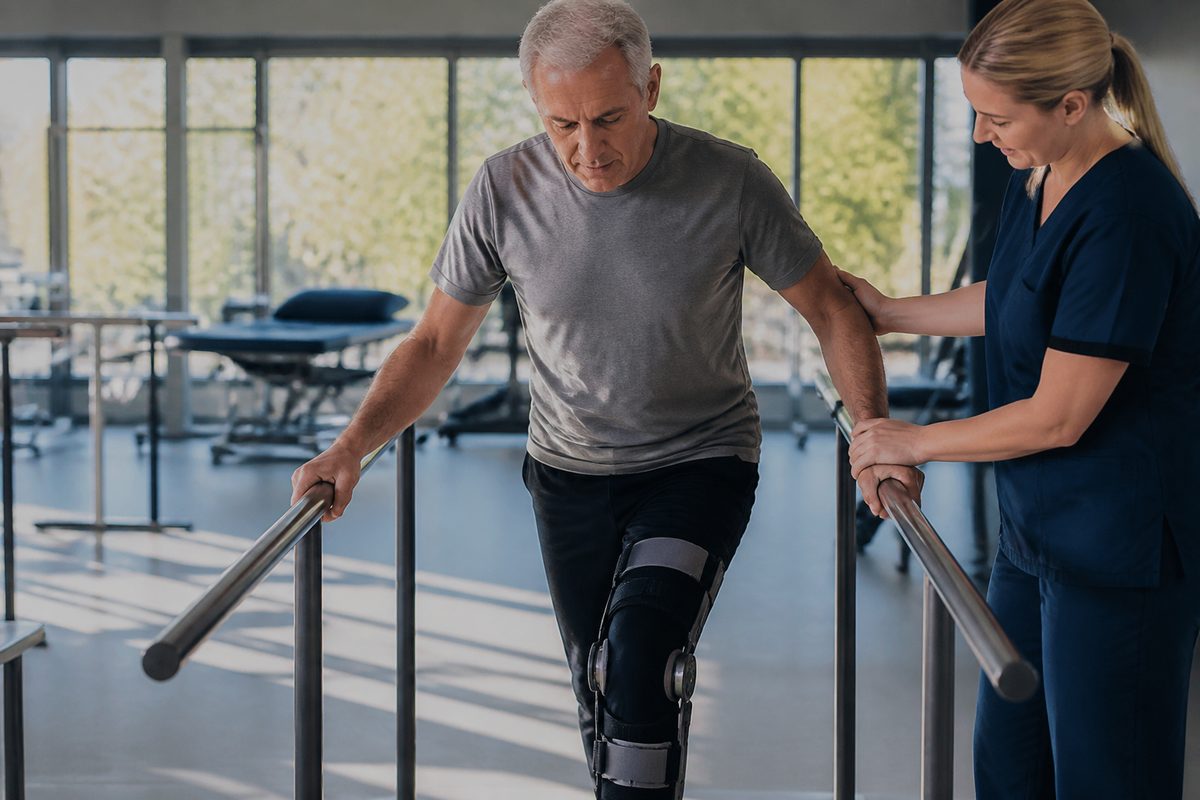
Regaining the ability to walk can take a few weeks, several months, or more than a year. The timing depends on why walking was lost and how much support the body needs. After a short hospital stay, someone may walk with help within days. Recovery after a major Stroke, Brain injury, or Spinal cord injury often takes months and may carry on for years.
The first signs of progress often show up before normal walking returns. Someone may sit without support, stand with help, shift their weight, or take a few steps between bars. These gains count. Walking is a chain of linked skills, and strength alone won't restore it.
The most useful timeline is a personal one. It should reflect the cause, starting level, early changes, medical limits, and amount of safe practice done each week. One average can't cover all those factors.
What does walking recovery look like week by week?
During the first days, the goal is often safe movement, not distance. Staff may help the person roll, sit up, move into a chair, or stand beside the bed. These tasks show how the heart, lungs, muscles, balance system, and nervous system react.
In the first two to six weeks, many people work on standing control and short walks with support. Someone recovering from illness or a minor Injury may improve fast at this stage. A walker, rails, or another person may still be needed.
Fatigue can stay high, even as leg strength starts to come back.
From six to twelve weeks, practice often gets more focused. The person may walk farther, need less help, or switch from a frame to a stick. They may also practise turns, stepping over objects, and walking on different surfaces.
Progress is rarely smooth. A hard session, poor sleep, pain, or an infection can hurt performance for a day without wiping out earlier gains.
After three months, timelines vary more. People recovering from bed rest, surgery, or a healed fracture may be close to walking on their own. Someone with a neurological condition may still need hands-on help.
Gains can continue beyond six or twelve months when therapy stays focused and the person can practise safely.
These stages are guides, not deadlines. Missing one doesn't prove recovery has stopped. It means the treatment team should compare current ability with the starting point and adjust the plan.
What sets the pace of recovery?
The cause of the walking problem has the biggest effect on timing. A joint that needs protection follows a different path from a damaged nerve pathway. Medical stability comes first.
Severe pain, unstable blood pressure, breathing trouble, infection, or new weakness can delay active walking work.
The starting level matters too. Someone who can already stand for 30 seconds has a shorter path to taking steps than someone who can't yet control their trunk. Age can affect stamina and healing, but it doesn't decide the outcome by itself.
The Human musculoskeletal system needs enough joint movement, muscle force, bone strength, and tolerance for weight to support each step. Weeks in bed can weaken it fast. Tight calves, stiff hips, and low stamina may then hold back walking, even after the original illness improves.
Wound healing can also set the pace. After an operation, pressure injury, or serious foot wound, the person may face limits on how much weight they can put through a limb. Doing more than the tissue can handle may slow recovery.
The aim is to add enough safe load to build ability without hurting the healing area.
In my experience reviewing rehabilitation timelines, practice volume is often the missing piece. Two people may attend the same number of appointments yet complete very different amounts of useful movement. Ten safe, controlled steps can teach more than a long walk done with poor form and heavy support.
How does the cause change the expected time?
Recovery after illness, surgery, or bed rest
When nerves and joints are still intact, walking may return over days or weeks. The person still needs enough food, sleep, strength, and daily movement. A long intensive-care stay can stretch recovery into several months because muscle loss and low stamina affect every task.
After an orthopaedic Injury, healing limits shape the plan. A sprain may allow early loading, while a fracture or tendon repair may need a protected phase. Walking skill can improve during that time, but full weight bearing must follow medical advice.
Recovery after Stroke or Brain injury
A Stroke or Brain injury can disrupt signals that control timing, balance, body awareness, and muscle action. The quickest gains often happen in the first weeks and months, though later gains are still possible. The person may first learn to stand, then step with support, and later use less support as control improves.
Neuroplasticity is the brain's ability to change its connections through use and learning. But that doesn't mean any movement will lead to recovery. Practice needs to be repeated, challenging, and accurate enough to teach a useful pattern.
Rest matters as well. Severe fatigue can lower the quality of each attempt.
Recovery after Spinal cord injury
A Spinal cord injury can affect strength, feeling, muscle tone, and automatic control below the injured area. The injury's level and completeness strongly shape the Prognosis. Some people regain supported or independent walking over months.
Others use a wheelchair for daily mobility while practising standing or short therapeutic walks.
A wheelchair doesn't mean rehabilitation has failed. It can protect the shoulders, save energy, and let the person work, study, or join family life while walking skills grow. Many recovery articles miss this point: safe mobility today can support walking practice instead of competing with it. Understanding how activity levels affect work eligibility can help guide rehabilitation planning. mobility and work capacity
Recovery with nerve damage
Peripheral neuropathy can reduce feeling in the feet and weaken the muscles that lift or steady them. Progress may be slower when someone can't sense the floor well. Shoes, foot care, lighting, and visual cues then become part of the walking plan.
If the nerve problem continues, rehabilitation may focus on safer movement and fall prevention as well as recovery.
When does rehabilitation start changing the timeline?
Rehabilitation should start as soon as the person is medically stable and cleared to move. Early work may include sitting, transfers, joint movement, or supported standing. Those tasks prepare the body for steps and reduce losses caused by inactivity.
Physical therapy usually mixes strength work, balance practice, task training, and advice about equipment. The best mix shifts as the person improves. Someone who can't stand needs a very different session from someone who walks indoors but struggles with kerbs.
Gait training means direct practice of walking and the skills that make it possible. It may involve parallel bars, a frame, a harness, braces, or hands-on support. The therapist checks step length, foot clearance, knee control, trunk position, and how much help the person needs.
When I see a slow recovery pattern, I first separate capacity from skill. Someone may have enough strength to step but fear putting weight on the weaker leg. Another person may feel confident but lack enough control to clear the foot.
More strength work won't fix every skill problem. And more walking won't correct every strength limit.
Practice outside appointments often decides whether gains carry over into daily life. It must follow the therapist's safety advice. Unplanned walking while tired or without the needed aid can cause a fall and disrupt recovery.
Which early signs show that walking is returning?
Distance is only one measure. Early progress may show up as less help while standing, better control when lowering into a chair, or more even weight through both feet. Balance may return before speed.
Useful measures include standing time, walking distance, the aid needed, number of rests, and level of physical help. The same route should feel easier with time. Recovery also becomes real when the skill works in daily settings, not just in a therapy room.
One often-missed gain is recovery after effort. Someone who once needed the rest of the day after a short walk may later recover in ten minutes. The distance hasn't changed, but usable capacity has grown.
A written record can uncover changes that are hard to spot from day to day. Record one or two measures each week under similar conditions. Daily testing can add stress and may reflect sleep or fatigue more than real recovery.
What can make the process safer and more effective?
Follow weight-bearing and movement limits exactly. Ask the treating team what kind of pain is expected and which symptoms mean stop. Sharp pain, sudden weakness, chest pain, fainting, or a new loss of feeling needs prompt medical review.
Use the recommended aid at the right height. A walking frame that's too low can pull the body forward. A stick used on the wrong side may offer less support.
Equipment should make practice safer, not become a test of pride.
Focus practice on quality. Short sessions can work well when fatigue affects form. Stop before the knees buckle or the feet begin dragging.
Add distance, speed, or task difficulty in small steps instead of raising everything at once.
Support recovery with enough food and fluids. Protein and total energy help protect muscle and support Wound healing. Sleep gives the nervous system time to process new movement.
Tell the clinical team about medication side effects, low mood, dizziness, and poor vision because each one can affect walking.
- Complete the exercises prescribed for the current stage.
- Keep clear walking paths and stable chairs nearby.
- Wear secure shoes that suit the person's feet and braces.
- Schedule harder practice when energy and attention are best.
When should the recovery estimate be reviewed?
The estimate should be reviewed when ability changes, a medical limit is removed, or progress stalls for several weeks. A Prognosis is an informed forecast, not a fixed end date. It becomes more useful as the team sees how the person responds to practice.
A plateau doesn't always mean the nervous system has stopped changing. The current task may be too easy, too hard, too painful, or done too rarely. Equipment trouble can hide progress too.
The team should check strength, joint range, sensation, balance, fatigue, and walking method before deciding that no further gain is likely.
New decline calls for quicker action. Contact a health professional if walking suddenly gets worse, falls increase, or a new foot wound appears. Sudden facial droop, speech trouble, severe headache, or weakness on one side may signal a Stroke and requires emergency help.
What should you do next?
Ask the rehabilitation team for the current walking level, the next measurable goal, the safest way to practise, and a review date. A useful goal might be standing for two minutes with one hand on support or walking ten metres with a frame and supervision.
Don't judge recovery by the calendar alone. Look for safer movement, less help, better control, and greater use in daily life. The main idea is simple: the cause sets the broad time frame, but repeated safe practice shapes how much progress fits inside it.
Actionable takeaway: book a mobility assessment and leave with one measured walking goal plus a written practice plan for the next two weeks.
Common questions
Why have I lost the ability to walk?
You may lose the ability to walk after an injury, illness, surgery, or long period of bed rest. A doctor can check the cause and help you find the right treatment.
Can someone regain the ability to walk?
Many people can regain some or all of their ability to walk with treatment and regular practice. How long it takes depends on the cause, the person's health, and the support they receive.
Why is relearning to walk so hard?
Walking needs strength, balance, feeling, and timing to work together. After injury or illness, the body and brain may need weeks or months of practice to rebuild these skills.
Is it normal to walk after 12 weeks of non-weight-bearing?
Some people can begin walking after 12 weeks without putting weight on a leg, but they may feel weak or unsteady. Start only when your doctor says it is safe, and follow the walking plan given to you.
Explore this topic: NDIS and disability guides. For tailored support, see NDIS personal training in Melbourne.

What not to do with an autistic child?
Read article →
Can an autistic child live normal life?
Read article →
Can level 1 autism live normal lives?
Read article →
How serious is level 1 autism?
Read article →
What are the signs of autistic behaviour?
Read article →
What Characteristics Does an Autistic Child Have? A Parent's Plain-English Guide in Melbourne
Read article →Explore more Better Start guides
Use these topic hubs to keep reading related articles by condition, support need, or funding question.
NDIS & disability
Access, funding, planning, disability support, and eligibility guides.
Open hub →Lupus
Symptoms, diagnosis, flares, disability support, and daily life.
Open hub →Autoimmune disease
Symptoms, coping strategies, long-term health, and support options.
Open hub →Rheumatoid arthritis
Flares, treatments, daily living, disability support, and NDIS questions.
Open hub →Kidney disease
Kidney symptoms, kidney failure, dialysis, and support questions.
Open hub →Speech therapy
Therapy funding, stuttering, cleft palate, dyslexia, and communication support.
Open hub →