Is Lupus a Disability in Australia? NDIS and Support Options
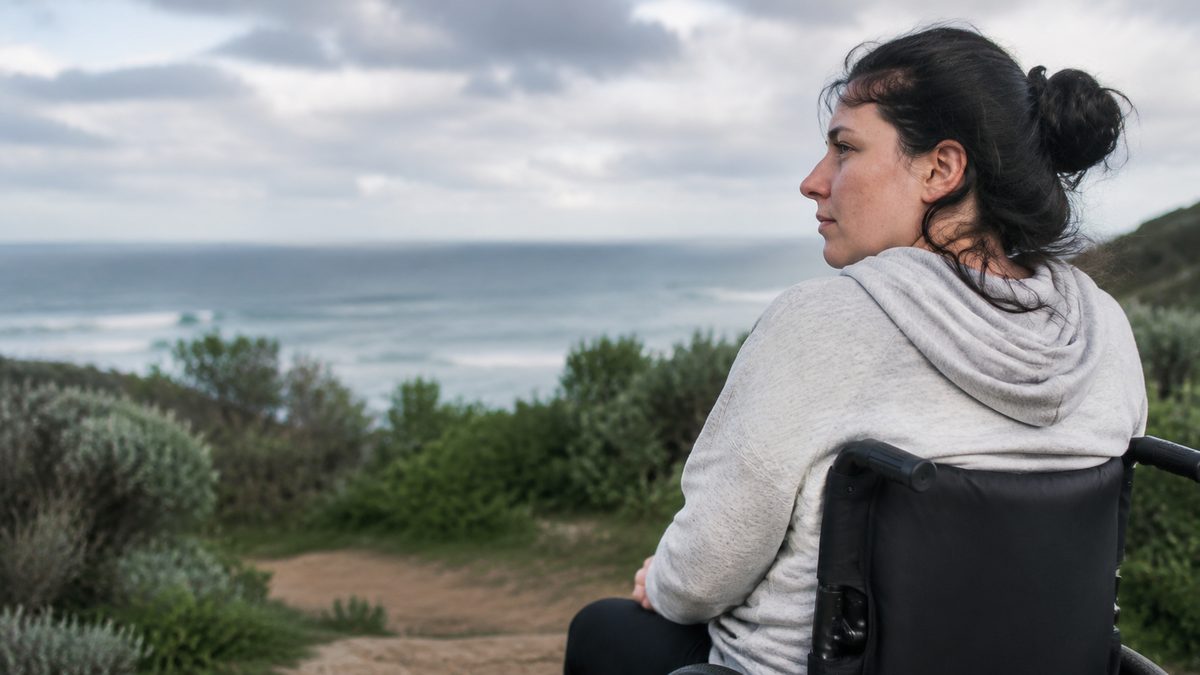
Lupus counts as a disability in Australia if your symptoms cause permanent, significant impairment that stops you from doing everyday activities. The Australian government doesn't automatically grant disability status based on diagnosis alone. Centrelink and the National Disability Insurance Scheme (NDIS) look at how the illness limits your movement, communication, social interaction, and self-care.
You must prove that your symptoms restrict your daily life. This means showing medical evidence of how the disease affects your body. Lupus damages joints, skin, kidneys, and other organs. When these damages stop you from working or looking after yourself, the law recognises it as a disability. immune system
Is lupus on the NDIS?
Lupus isn't on the list of conditions that automatically qualify you for the NDIS. You can still get NDIS support if you prove the disease causes permanent functional impairment. The NDIS assesses your application based on your ability to function, not the medical label.
When my client Sarah applied for the NDIS, she had to show how lupus damaged her joints. She has a soft tissue disorder linked to her lupus. We collected letters from her rheumatologist, GP, and physiotherapist. The reports proved she couldn't walk more than fifty meters without severe pain. The NDIS approved her funding because she couldn't perform daily tasks without help.
Her funding let her work with an NDIS personal trainer in Melbourne to build her strength. To get NDIS funding, you must meet the access requirements. You must show your impairment is permanent. You must show it reduces your capacity for social inclusion and economic participation. The NDIS wants to see that you've tried all standard medical treatments before they fund ongoing supports.
What lupus symptoms qualify for disability?
To qualify for disability support like the Disability Support Pension (DSP) or NDIS, your symptoms must score highly on the tables of impairment. The most common qualifying symptoms include:
- Severe joint inflammation and pain that stops you from gripping objects or walking.
- Extreme fatigue that doesn't go away with rest, making work impossible.
- Brain fog, which affects memory and focus.
- Kidney damage or lupus nephritis (kidney damage from lupus) that requires regular medical treatment.
- Heart and blood vessel problems caused by chronic inflammation.
Immunology research shows lupus makes the body attack its own healthy tissues. When I worked with a client named David, his main qualifying symptom was severe inflammation in his knees and wrists. He couldn't lift a kettle or drive a car. His blood tests showed high levels of inflammation markers. This evidence helped him secure his DSP payments.
The assessors needed to see that his joint damage was irreversible and made physical work impossible.
What is an average day like for a person with lupus?
An average day with lupus is unpredictable. You might wake up feeling well and become exhausted by midday. The unpredictability makes planning your life difficult.
In my experience working with clients who have autoimmune diseases, morning stiffness is the first barrier. My client Sarah described her mornings as feeling like her joints were set in concrete. It took her an hour of gentle movement just to bend her fingers. She had to use heat packs before she could even brush her teeth.
A typical day involves managing pain, avoiding sun exposure, and pacing activities. Sunlight triggers skin rashes and internal flares because ultraviolet light damages cells. This cell damage triggers an immune response. A person with lupus must plan their day around their energy levels. They might do light tasks in the morning, rest for two hours after lunch, and limit physical chores.
By evening, muscle pain and joint throbbing often increase, which makes sleeping difficult.
What not to do with lupus?
Avoid overexertion. Pushing through the pain during a flare makes inflammation worse. Your body needs rest to recover from immune attacks.
Don't expose your skin to direct sunlight. UV rays trigger systemic flares. I tell my clients to wear high-SPF sunscreen and protective clothing even on cloudy days. Indoor fluorescent lighting can also trigger symptoms in highly sensitive people.
Don't skip your medication. Lupus is a steroid-responsive inflammatory condition. Stopping your steroids or immunosuppressants suddenly can cause a severe relapse. Always consult your rheumatologist before changing your dose.
Don't ignore infections. Because lupus affects the immune system, minor infections can quickly turn serious. Some scientists link the Epstein-Barr virus to lupus onset. If you get sick, seek medical help immediately. Your body has fewer defences to fight off common viruses.
Don't do high-impact exercise during a flare. Heavy running or jumping damages joints that are already inflamed. Stick to gentle movements that keep the joints lubricated without pressure on the soft tissues.
How does exercise help manage lupus symptoms?
Gentle, structured exercise reduces joint stiffness and fights fatigue. It keeps the muscles around your joints strong, which reduces pain.
When I started training Sarah, we kept the sessions short and low-impact. We focused on mobility and strength. We used her NDIS funding to hire a personal trainer who understood autoimmune diseases. We focused on movements that didn't overload her joints. Over time, her daily fatigue levels dropped, and she gained more control over her mobility.
Physical activity reduces systemic inflammation. It helps manage the side effects of medications like prednisone, which can cause weight gain and bone density loss. If you live in Victoria, finding an NDIS personal trainer in Melbourne helps you exercise safely. They adjust your program on days when you feel a flare coming on, so you don't overexert yourself.
How do you apply for disability support with lupus?
Start by gathering medical evidence. Ask your rheumatologist for a detailed report listing your diagnosis, treatments, and how the condition limits your life.
Next, get blood tests that show active inflammation and organ involvement. Collect reports from any allied health professionals you see, such as occupational therapists or physiotherapists. These professionals can write detailed descriptions of your physical limitations.
Fill out the NDIS Access Request Form or the Centrelink DSP application. Focus on what you can't do. Describe your worst days, not your best days. Assessors need to know how you function when the disease is at its worst.
I helped my client David write his application. We detailed how his soft tissue disorders stopped him from cooking his own meals. We explained that he needed modified exercise and physical therapy to maintain his mobility. His application succeeded because we focused on his functional limitations rather than just the medical diagnosis.
Frequently Asked Questions
Can you work while claiming disability for lupus?
Yes. You can work limited hours under certain disability programs. For the DSP, you must prove you can't work more than fifteen hours per week. The NDIS doesn't stop you from working, and they support you to find employment if you want to work.
Is lupus considered a chronic illness?
Yes. Lupus is a lifelong chronic autoimmune disease. There's no cure, but treatments help manage the symptoms. Because it's chronic, you can use GP management plans to get Medicare rebates for allied health services.
Does the NDIS pay for exercise physiology or personal training?
Yes. If your NDIS plan includes funding for improved health and wellbeing, you can use it for specialized personal training. The training must relate directly to managing the physical impacts of your disability.
One Actionable Step to Take Today
Download the NDIS Access Request Form from the official website and book an appointment with your rheumatologist to start documenting your daily functional limitations.
Explore this topic: lupus guides.

What not to do with an autistic child?
Read article →
Can an autistic child live normal life?
Read article →
Can level 1 autism live normal lives?
Read article →
How serious is level 1 autism?
Read article →
What are the signs of autistic behaviour?
Read article →
What Characteristics Does an Autistic Child Have? A Parent's Plain-English Guide in Melbourne
Read article →Explore more Better Start guides
Use these topic hubs to keep reading related articles by condition, support need, or funding question.
NDIS & disability
Access, funding, planning, disability support, and eligibility guides.
Open hub →Lupus
Symptoms, diagnosis, flares, disability support, and daily life.
Open hub →Autoimmune disease
Symptoms, coping strategies, long-term health, and support options.
Open hub →Rheumatoid arthritis
Flares, treatments, daily living, disability support, and NDIS questions.
Open hub →Kidney disease
Kidney symptoms, kidney failure, dialysis, and support questions.
Open hub →Speech therapy
Therapy funding, stuttering, cleft palate, dyslexia, and communication support.
Open hub →