What activities are best for adults living with disability?
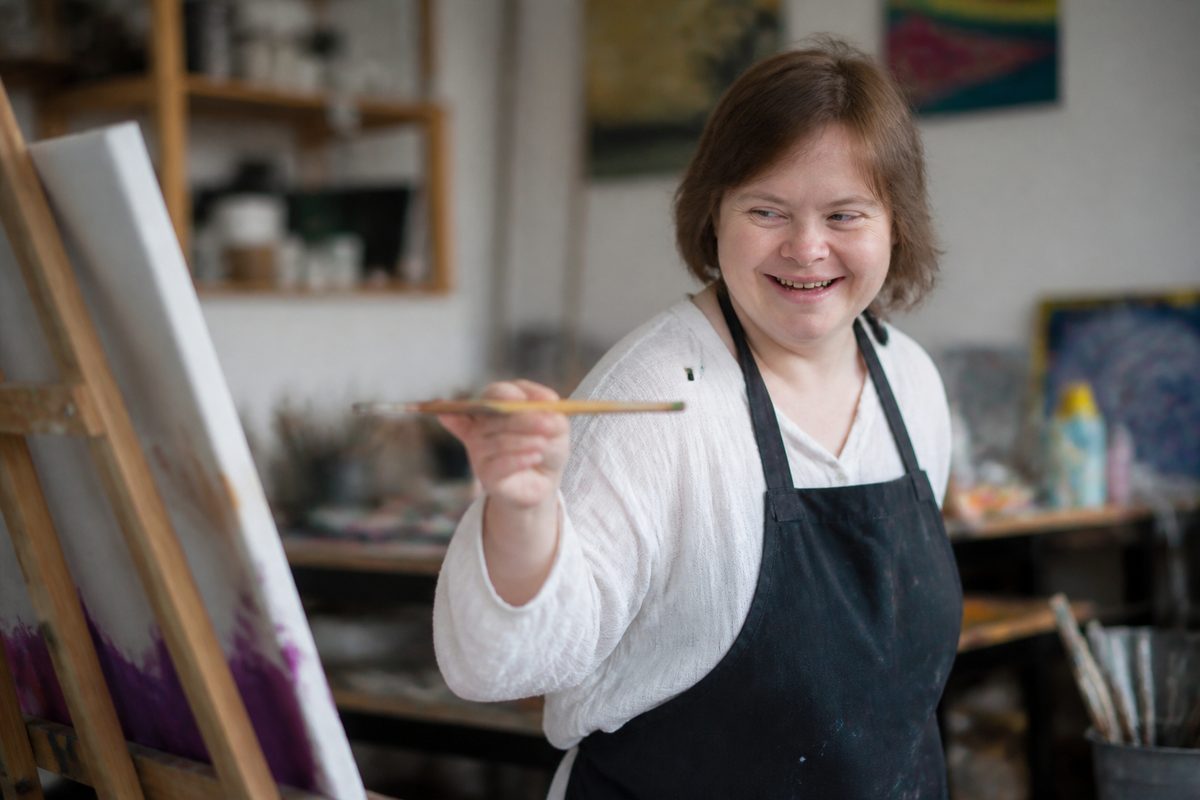
The best activities are those that fit the person’s interests, goals, access needs and energy. Good options may include adapted exercise, art projects, social groups, outdoor fun, daily tasks, learning or paid work. The activity should have a clear benefit and feel worth their time.
People are more likely to keep taking part when they have a choice, the right support and a true sense of progress.
A disability alone won’t tell you which activity will work. Two people with the same diagnosis may have very different skills, pain, sensory needs or interests. Start with the person, then adjust the activity.
Don’t begin with a fixed list based on what others think a disabled adult should enjoy.
What should guide the choice of an activity?
Start with the result the person wants. One adult may want stronger legs to make transfers easier. Another may want to meet people without going into a noisy space.
Someone else may want to cook lunch, return to work or join a local sports club.
Ask clear questions before choosing:
- What does the person enjoy or want to try?
- What skill or result do they want to gain?
- What makes taking part hard right now?
- What support, equipment or change would remove that barrier?
- How much time and energy can they give without feeling drained?
- Can the activity grow with them as their skills improve?
Choice matters. An activity can seem useful on paper yet fail in real life. A weekly art class may suit someone who loves painting, but the room could be too noisy.
A smaller session or headphones could turn a poor fit into something they look forward to.
Often, the best first step is a short trial. Try one session, note what worked and change one barrier at a time. This gives you better clues than asking someone to join a long program before they know how it feels.
How can movement support everyday goals?
Movement can build strength, mobility, coordination and trust in the body. It can make daily tasks easier too. The goal doesn’t have to be hard exercise.
Standing while making a meal, pushing a wheelchair along a smooth path or walking to the letterbox may be a useful place to start.
Suitable movement options include:
- Swimming or supported exercise in a warm pool
- Walking, wheeling or using a mobility aid on an accessible path
- Seated strength exercises with bands or light weights
- Dance with movements adapted for sitting or standing
- Yoga with chair, wall or floor options
- Bowling, cycling or modified team sport
- Gardening in raised beds or pots
Parasports can offer skilled coaching, fair rules and a strong team setting. Choices range from wheelchair basketball and boccia to para cycling. There’s no need to aim for competition.
Many clubs run social sessions where fun and learning come first.
Physical therapy may help when pain, weakness, falls or a recent change in function makes moving hard. A physical therapist can check how the body moves and suggest safe exercises or equipment. What matters is whether the plan helps the person do more of what they value.
How can creative activities build skills and connection?
Creative work lets people make choices, practise fine motor skills and share ideas. It also gives people an easy topic to talk about. That can ease pressure for adults who find open social chat hard.
Good options include painting, clay work, photography, music, sewing, model building and simple woodwork. You can change the activity without losing its purpose. A larger brush handle may help someone with limited grip.
A tablet may replace paper for a person who finds small tools hard to control. Written steps or picture cards can also make a project easier to follow.
Creative groups work best when adults make something that feels like their own. Copying a child-like template may feel dull or rude. Offer adult themes, useful projects and space for personal style.
Making a planter box, recording a song or designing invitations gives the work a clear result.
Recreational therapy can link leisure activities with personal goals. A recreational therapist may adjust a hobby, find an accessible local program or help someone gain the confidence to attend. This can help when a person wants more choice in their free time but doesn’t know where to begin.
How can social activities feel natural rather than forced?
Shared tasks often make social contact easier than a group built only around conversation. Cooking, gaming, gardening or joining a community project gives everyone a shared focus. Talk can grow from there.
Pick the setting with care. Large groups may suit an outgoing person but drain someone with sensory sensitivity or anxiety. A paired activity, small club or online group may be a gentler start.
The goal is useful connection, not the biggest possible social circle.
Options include a book club, board game session, community garden, accessible cinema trip, choir, animal care program or volunteer shift. Online groups can also help when transport, fatigue or health makes travel hard. The group should have clear rules and active moderation.
A common mistake is treating attendance as success. Being in the room doesn’t mean someone feels included. Check whether they can make choices, join the task and communicate in the way they prefer.
If they sit apart while support staff do the activity, the setup needs to change.
Can daily tasks become meaningful activities?
Yes. Cooking, shopping, travel practice and home care can be worthwhile when they give someone more control over daily life. But they shouldn’t be framed as chores picked by someone else. daily tasks
The adult needs their own reason to value the skill.
Making one favourite meal can teach planning, food safety, timing and how to use kitchen tools. Catching public transport to a favourite shop can build route knowledge and confidence. Managing a small weekly budget can support choice while giving maths a real purpose.
occupational therapy often looks at the fit between the person, the task and the place where it happens. An occupational therapist may suggest a shower chair, adapted cutlery, a visual routine or a fresh way to finish a task. The goal is to make taking part easier, safer or more independent.
Break complex tasks into useful steps. Let the person do the parts they can, then offer help only where needed. Too much help can hide their ability, while too little may cause stress or risk.
Good support shifts as the person learns.
How can learning and work provide purpose?
Adult learning can lead to hobbies, local roles and work. Useful options include computer classes, literacy support, short trade courses, first aid training or lessons based on a personal interest. The pace and teaching style should fit how the person learns.
Supported employment can help adults find paid work with help shaped around them. This may include job matching, workplace changes, travel training or coaching while they learn tasks. A good role uses the person’s strengths and sets fair expectations.
It shouldn’t place someone in repetitive work just because that’s what disabled people have always been offered.
Volunteering can build skills when the role is real and freely chosen. Sorting donations, helping at an animal shelter or looking after a sports club website can create experience and community ties. But volunteering shouldn’t replace paid work when the person is doing a job that would normally earn a wage.
Many activity lists miss the value of ordinary adult roles. Hosting friends, joining a committee or helping a neighbour may mean more than another organised program. These roles show that the person gives to others as well as getting support.
When can professional support improve participation?
Therapy can help when a barrier keeps getting in the way of an activity the person values. The right professional depends on what’s blocking them. Movement problems may call for physical support.
Trouble planning a task may need another approach. Communication, sensory stress or swallowing needs may call for help from a specialist.
Professional support should link to life beyond the treatment room. Balance practice means more when it helps someone enter a local café. Better hand control matters when it helps them use a camera or make food.
Ask how each therapy task will carry over to the activity the person wants to do.
support workers play a key role too, but they should help with choice instead of directing each step. Good support may mean setting up equipment, explaining options, helping with transport or stepping back once the person begins. The person should stay at the heart of every decision.
How should an activity be adapted?
Keep the purpose, then change the method. If the goal is playing music with others, someone might use an adapted instrument, music software or switches. If the goal is gardening, raised beds and light tools may remove physical barriers without changing the experience.
Common changes include:
- Shorter sessions with planned rest
- Clear visual or written steps
- Lower noise and softer lighting
- Accessible transport, toilets and entry points
- Extra time to respond or complete a task
- Tools designed for grip, reach or one-handed use
- A support person who assists only when asked
Access also includes cost and timing. An accessible venue is still out of reach when the fee is too high or the session ends after safe transport stops. Check the whole trip, from leaving home to getting back, including booking systems and staff attitudes.
Manage risk without stripping away every challenge. Learning involves small mistakes, effort and doubt. A clear plan can lower the chance of serious harm while leaving room for the person to test their skills.
Talk directly with the adult about the level of risk they accept.
How can progress be measured without pressure?
Measure what matters to the person. Attendance can be one sign, but it doesn’t tell the full story. Better signs may include needing less help, staying involved longer, recovering faster after a session or choosing to practise at home.
Use a simple review after a few sessions:
- Ask what the person enjoyed.
- Note any pain, stress, fatigue or access problem.
- Record the skill or confidence that improved.
- Change the support or setting if needed.
- Decide whether to continue, pause or try something else.
Stopping an activity isn’t failure. It may show that the setting, timing or support was wrong. I’ve found that helpful reviews focus on fit, not blame.
The person can then take what they learned into their next choice.
What should a simple weekly plan include?
A useful plan leaves space for effort and recovery. Start with activities the person already values, then add one new trial. Don’t pack every free hour with programs.
Adults need free time and the right to say no.
A weekly plan might pair one movement session with a creative or social activity. Daily tasks can support personal goals, while work or study may add structure on certain days. Plan transport and rest alongside the activity.
This can stop a good session from causing trouble later in the day.
The main idea is simple: fit the activity to the adult, not the adult to the activity. Ask the person to choose one goal this week, try one activity linked to it and review how it felt before making a longer commitment.
Common questions
How to live a happy life even when disabled?
Focus on activities, people, and goals that bring you joy and meaning. Ask for support when needed, care for your health, and celebrate each success.
What are some effective coping skills for adults with disabilities?
Helpful coping skills include deep breathing, gentle exercise, keeping a routine, and talking with someone you trust. Joining a support group or doing a favorite hobby can also reduce stress.
What are the best activities for disabled people?
The best activities match the person's interests, needs, and abilities, such as swimming, art, gardening, music, games, or adapted sports. Social clubs and community events can also build skills and friendships.
How to live with a disability?
Build a daily routine that supports your health, independence, and personal goals. Use helpful equipment, make spaces easier to access, and seek support from family, friends, or care workers.
Explore this topic: NDIS and disability guides. For tailored support, see NDIS personal training in Melbourne.

What not to do with an autistic child?
Read article →
Can an autistic child live normal life?
Read article →
Can level 1 autism live normal lives?
Read article →
How serious is level 1 autism?
Read article →
What are the signs of autistic behaviour?
Read article →
What Characteristics Does an Autistic Child Have? A Parent's Plain-English Guide in Melbourne
Read article →Explore more Better Start guides
Use these topic hubs to keep reading related articles by condition, support need, or funding question.
NDIS & disability
Access, funding, planning, disability support, and eligibility guides.
Open hub →Lupus
Symptoms, diagnosis, flares, disability support, and daily life.
Open hub →Autoimmune disease
Symptoms, coping strategies, long-term health, and support options.
Open hub →Rheumatoid arthritis
Flares, treatments, daily living, disability support, and NDIS questions.
Open hub →Kidney disease
Kidney symptoms, kidney failure, dialysis, and support questions.
Open hub →Speech therapy
Therapy funding, stuttering, cleft palate, dyslexia, and communication support.
Open hub →