What Are the 14 Types of Disability? A Clear Guide for NDIS Participants

Disability affects roughly one in six Australians. Yet most people still can't name the categories clearly, and that gap causes real problems when someone is trying to access support, apply for the NDIS, or just understand what they're dealing with.
Here is a straight answer. Disability is generally grouped into 14 broad types, and knowing them helps you advocate for yourself or someone you care about.
What Are the 14 Major Types of Disability?
These categories come from how disability is classified across health, legal, and support systems in Australia and internationally. They are not rigid boxes.
Many people live with more than one type at once.
1. Physical Disability
Physical disability affects movement, motor control, or the body's ability to do physical tasks. This includes conditions like cerebral palsy, muscular dystrophy, limb difference, and spinal cord injury.
One of my clients with cerebral palsy told me the hardest part wasn't the physical limitation itself. It was that people assumed his cognitive ability matched his mobility. It didn't. He had a sharp mind and wanted to be trained accordingly.
2. Intellectual Disability
Intellectual disability affects learning, reasoning, and adaptive behavior. It shows up differently in every person.
Some people need support with daily tasks. Others live and work independently with minimal assistance. The label often undersells what someone can do.
3. Psychiatric or Mental Health Disability
This covers mental disorders that significantly impact a person's daily functioning. Schizophrenia, bipolar disorder, severe depression, and borderline personality disorder can all qualify.
Mental health disability is one of the most misunderstood categories because the impairment isn't always visible, and it fluctuates. Some days look fine. Other days are not.
4. Sensory Disability: Vision
Visual impairment ranges from low vision to complete blindness. It includes conditions present from birth and those that develop over time, such as macular degeneration or diabetic retinopathy.
When I worked with a client who had progressive vision loss, the most useful thing I could do was stop relying on visual cues during exercise and learn to coach through touch and verbal instruction instead.
5. Sensory Disability: Hearing
Hearing loss is either present from birth or acquired later. It affects communication, social participation, and safety.
Many people with hearing loss use hearing aids, cochlear implants, or Auslan. The barrier is rarely the hearing loss itself. It's the environments and systems that don't accommodate it.
6. Deafblindness
Deafblindness is a combined vision and hearing impairment that creates unique communication and access challenges. It's listed separately because the support needs differ significantly from either vision or hearing disability alone.
7. Acquired Brain Injury (ABI)
Brain injury caused by stroke, trauma, infection, or oxygen deprivation falls into this category. ABI can affect memory, concentration, behavior, speech, and physical movement.
Recovery is non-linear. I remember when one of my clients post-stroke would have a great training session on Tuesday and then struggle to recall it by Thursday. We had to build systems around that, not fight it.
8. Neurological Disability
Neurological disability involves the nervous system and includes conditions like multiple sclerosis, Parkinson's disease, epilepsy, and Huntington's disease.
Epilepsy alone affects around 250,000 Australians. For people with seizure disorders, safety planning is essential for any physical activity program.
9. Autism Spectrum Disorder
Autism affects how a person processes information, communicates, and experiences the world. It is a spectrum, meaning no two people present the same way.
One of my clients with autism didn't want eye contact during sessions and preferred a structured, predictable format every single time. When I kept the routine consistent, his progress was remarkable. When I changed things without warning, the session fell apart.
10. Learning Disability
Learning disabilities affect how a person reads, writes, processes language, or does calculations. Dyslexia, dyspraxia, and dyscalculia are common examples.
These are not intellectual disabilities. People with learning disabilities often have average or above-average intelligence. The challenge is with specific processing, not overall capability.
11. Speech and Language Impairment
Speech and language impairments affect a person's ability to communicate verbally. This includes stuttering, aphasia after brain injury, and conditions that affect articulation or language comprehension.
Communication support is often the key that unlocks everything else for these individuals.
12. Chronic Health Condition as Disability
Some chronic conditions cause disability even when they aren't visible. Chronic fatigue syndrome, Crohn's disease, lupus, and diabetes with complications can all qualify.
These are sometimes called invisible disabilities. The person looks well. The condition is not.
13. Psychosocial Disability
This category is sometimes folded into psychiatric disability, but Australia's NDIS treats it separately. Psychosocial disability refers specifically to the functional impact of mental health conditions on daily life, relationships, and community participation.
The focus is not the diagnosis but the ongoing impact.
14. Multiple or Complex Disability
Many people live with two or more disabilities at the same time. The combination creates support needs that don't fit neatly into any single category.
This is why support plans need to look at the whole person, not just a checklist of diagnoses.
What Do People Get Wrong About Disability Categories?
Three things come up constantly in my experience working with NDIS participants.
First, people assume the category determines the severity. It doesn't. A person with a physical disability might need minimal daily support. A person with an intellectual disability might need intensive around-the-clock care. The label is a starting point, not a forecast.
Second, invisible disabilities get dismissed. When someone looks healthy, their needs get questioned. I know this because my client with fibromyalgia was told by multiple providers that she "didn't seem sick enough" to need support. She had been managing severe fatigue and pain for seven years before anyone took her seriously.
Third, people treat disability as static. Many conditions fluctuate.
Someone with a psychiatric disability might be highly functional for months and then hit a period where basic tasks require significant support. Good support planning accounts for that range.
What Is a 40% Disability Rating?
A 40% disability rating comes from the veterans' compensation system used in the United States by the Department of Veterans Affairs. It is not a standard used in Australia or under the NDIS.
The rating reflects the degree to which a service-connected condition impacts a veteran's ability to work and function. It sits on a scale from 0% to 100%, with higher percentages representing greater functional impairment and higher compensation levels.
If you're in Australia and looking at NDIS eligibility, this rating system doesn't apply. NDIS eligibility is based on whether your disability is permanent, significant, and affects your ability to participate in daily life.
How Does the NDIS Categorise Disability?
The NDIS doesn't use the 14-type model as a formal checklist. Instead, it looks at whether your disability is permanent and results from a neurological, intellectual, physical, sensory, cognitive, or psychosocial impairment.
The categories above map onto those NDIS groupings. Understanding the type of disability you or your family member has helps you frame your NDIS access request in the right language.
In my experience, the people who get the most out of the NDIS are the ones who can clearly describe how their disability affects their daily life, not just what diagnosis they carry.
Does Exercise Help Across These Disability Types?
Yes, and the research on this is strong. Physical activity improves strength, mood, fatigue levels, pain management, and independence across nearly every disability type.
The approach has to match the person.
When I work with NDIS participants, I'm not running a generic fitness program. I'm building something around what that specific person's body does and doesn't do on a given day. Someone with multiple sclerosis might need a completely different session on a high-fatigue day versus a good day. Someone with autism might need a fixed structure and sensory-aware environment. Someone with an acquired brain injury might need shorter sessions with clear repetition built in.
This is just based on what happened to my clients. The disability type matters because it changes how I program, communicate, and measure progress.
FAQ
What are the 13 categories of disabilities under IDEA?
The Individuals with Disabilities Education Act (IDEA) is a US law, not an Australian one. It lists 13 disability categories for educational support: autism, deaf-blindness, deafness, emotional disturbance, hearing impairment, intellectual disability, multiple disabilities, orthopedic impairment, other health impairment, specific learning disability, speech or language impairment, traumatic brain injury, and visual impairment.
These are specifically for school-age children's educational eligibility in the United States.
What are 10 common types of disability?
The 10 most commonly referenced types are physical disability, intellectual disability, mental health or psychiatric disability, sensory disability (vision), sensory disability (hearing), acquired brain injury, neurological disability, autism spectrum disorder, learning disability, and chronic health conditions.
These cover the vast majority of people accessing disability support services in Australia.
Is anxiety a disability?
Anxiety can qualify as a psychosocial disability under the NDIS if it significantly and permanently impacts your daily functioning. A diagnosis alone isn't enough.
The key is demonstrating the functional impact on your life.
Can you have more than one type of disability?
Yes. This is common. Someone with cerebral palsy may also have a speech and language impairment. Someone with an acquired brain injury may also develop a psychiatric condition.
Support plans should reflect the full picture.
Do all disabilities qualify for the NDIS?
No. The disability must be permanent or likely to be permanent, and it must have a substantial impact on your ability to participate in daily activities.
Some conditions are episodic, which requires more detailed evidence to demonstrate ongoing impact.
Your Next Step
If you or someone you support has a disability and you want to use NDIS funding for exercise and physical activity, find an NDIS-registered personal trainer who has direct experience working across multiple disability types.
Ask them how they adapt their approach. Ask for examples. The right support changes what's possible.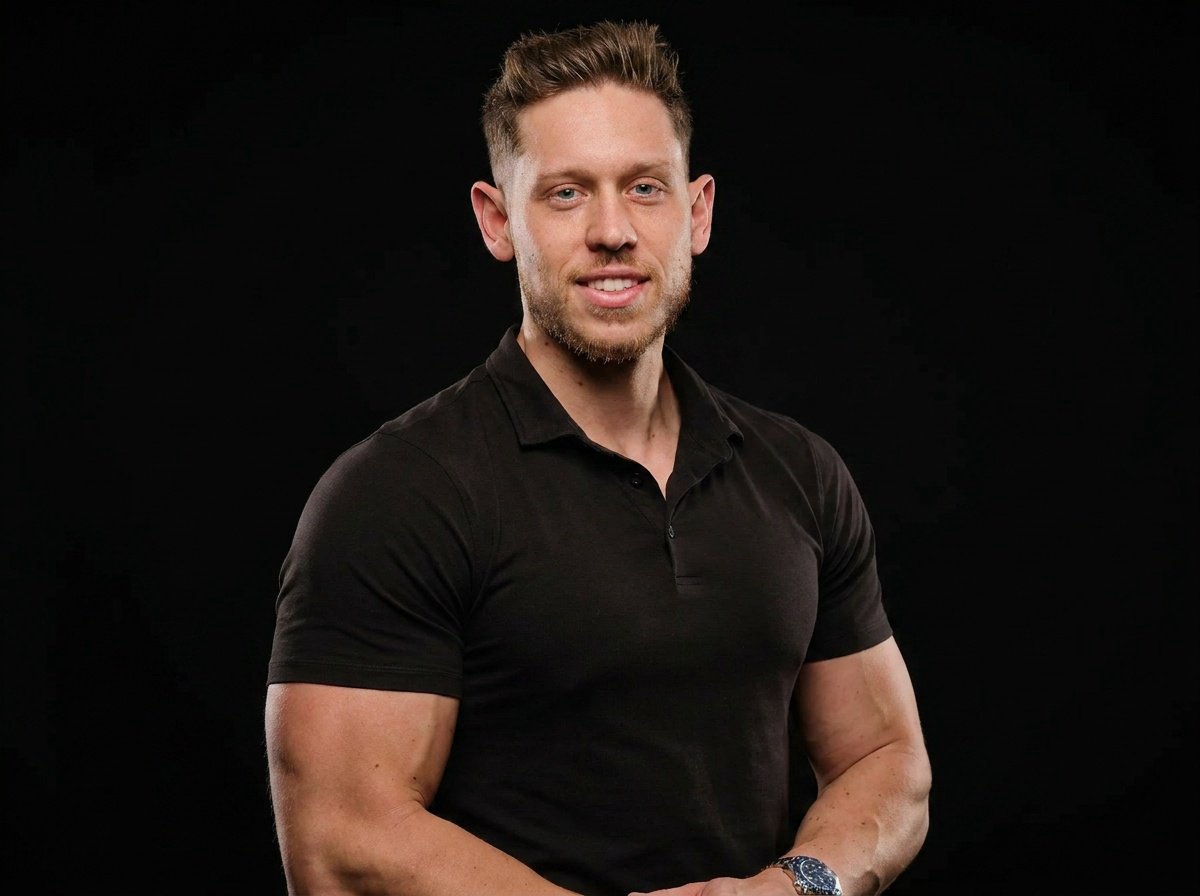
Explore this topic: NDIS and disability guides.

What not to do with an autistic child?
Read article →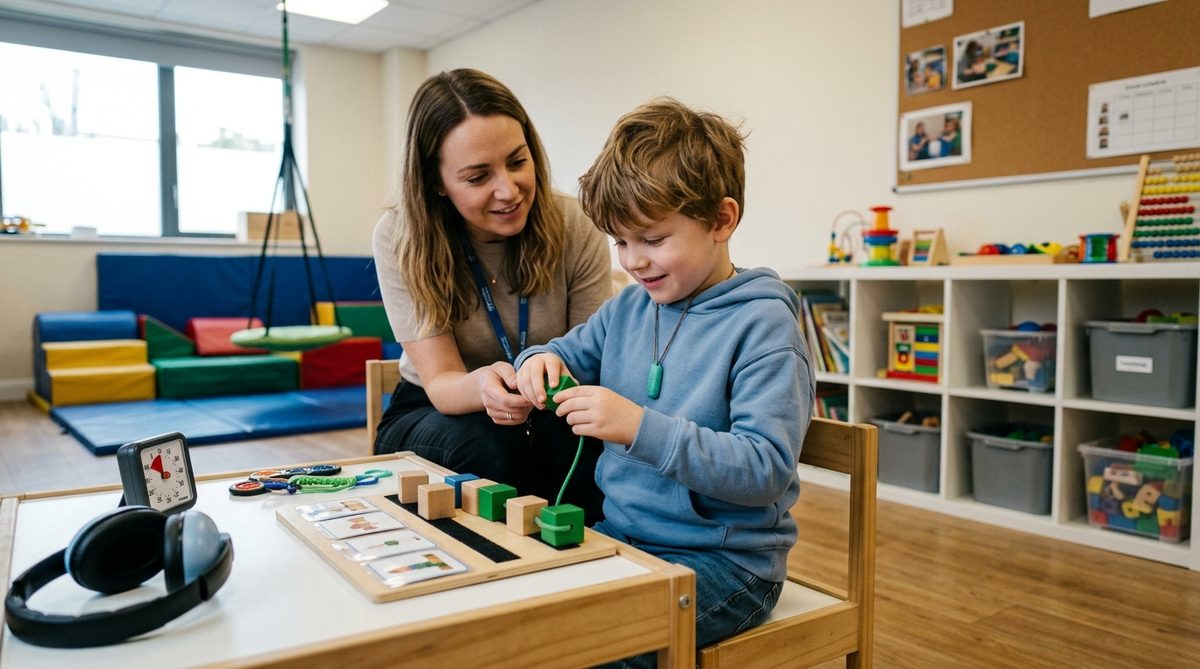
Can an autistic child live normal life?
Read article →
Can level 1 autism live normal lives?
Read article →
How serious is level 1 autism?
Read article →
What are the signs of autistic behaviour?
Read article →
What Characteristics Does an Autistic Child Have? A Parent's Plain-English Guide in Melbourne
Read article →Explore more Better Start guides
Use these topic hubs to keep reading related articles by condition, support need, or funding question.
NDIS & disability
Access, funding, planning, disability support, and eligibility guides.
Open hub →Lupus
Symptoms, diagnosis, flares, disability support, and daily life.
Open hub →Autoimmune disease
Symptoms, coping strategies, long-term health, and support options.
Open hub →Rheumatoid arthritis
Flares, treatments, daily living, disability support, and NDIS questions.
Open hub →Kidney disease
Kidney symptoms, kidney failure, dialysis, and support questions.
Open hub →Speech therapy
Therapy funding, stuttering, cleft palate, dyslexia, and communication support.
Open hub →