What are good activities for people with disabilities?
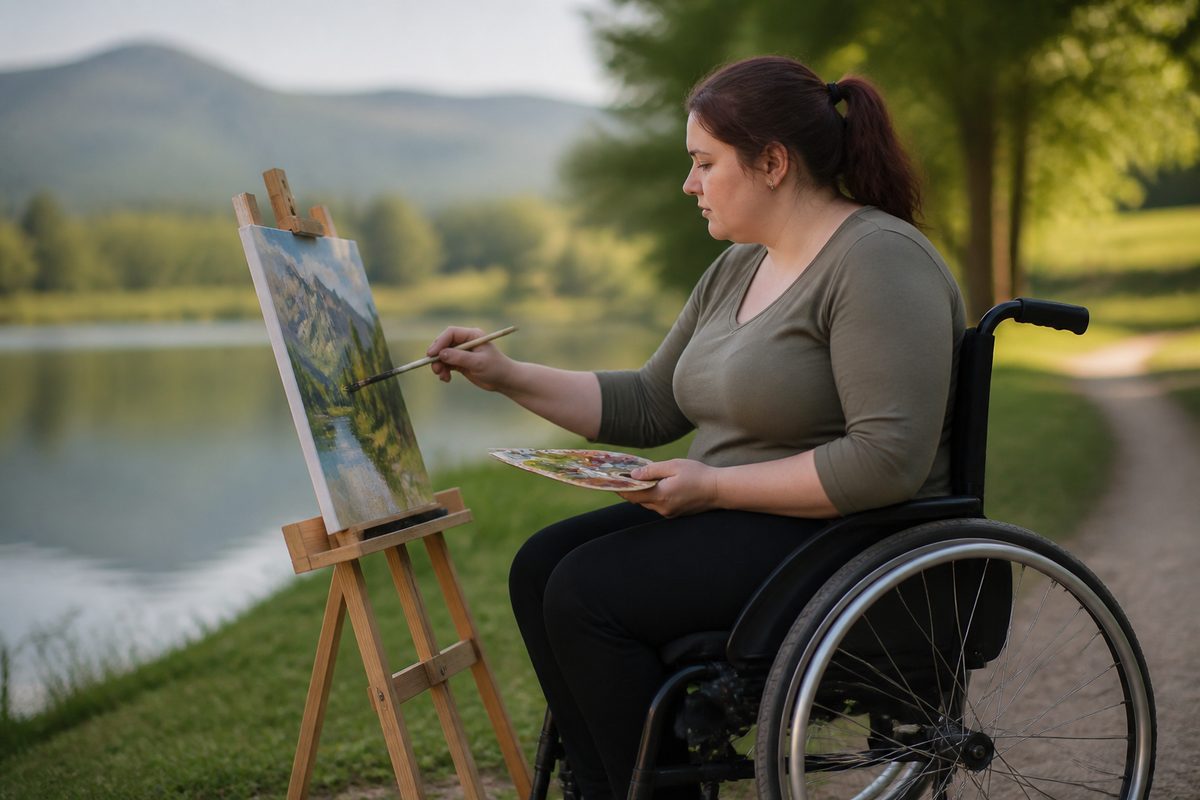
Good activities for people with disabilities are fun, accessible, safe, and tied to what the person wants from daily life. The right choice could be movement, art, games, cooking, outdoor time, social groups, or hands-on tasks. A useful activity fits the person, instead of making them fit a fixed program.
Disability can affect movement, energy, communication, learning, senses, or confidence. Two people with the same diagnosis may like very different things. Start with the person's interests, then change the task, setting, tools, pace, and support as needed.
Success is simple. The person wants to join in and can make real choices while doing it.
How do you choose an activity that will suit the person?
Ask what the person enjoys, what they avoid, and what they want to do with less help. A teenager may want to join friends at a sports club. An adult might want to cook lunch alone.
Someone else may want a quiet hobby that offers a break from noise.
Watch how the person reacts during the activity. Smiles, relaxed movement, asking for another turn, and coming back to the task may show interest. Turning away, freezing, rushing to finish, or becoming upset may mean the task is too hard, too loud, confusing, or simply unwanted.
Choice must be real. Offer options the person can understand and act on. You might show two objects, use pictures, read the choices aloud, or allow more time for an answer.
A support worker shouldn't treat silence as agreement.
A helpful selection check asks:
- Does the person want to do it?
- Can the task be changed without losing its purpose?
- Is the setting physically and emotionally safe?
- Does the person have a clear way to stop, rest, or ask for help?
- Will the activity support a goal that matters to them?
An activity can still have value when there is no therapy goal. Fun, rest, curiosity, and self-expression are all good reasons to take part.
Which movement activities can be adapted?
Walking, swimming, dancing, cycling, stretching, ball games, and strength exercises can all be changed to suit the person. Start at a level that feels manageable. Someone might walk for five minutes, dance while seated, use a handcycle, roll a soft ball across a table, or exercise in warm water.
Parasports offer set versions of many sports, including wheelchair basketball, boccia, goalball, para swimming, and adaptive cycling. Some people love competition. Others enjoy casual sessions with fewer rules.
Before joining, ask local clubs about accessible toilets, change rooms, equipment, transport access, coaching skills, and trial sessions.
Small changes can make movement much easier. Try a lighter ball, a lower target, a wider playing area, shorter rounds, or more recovery time. Visual markers can make boundaries clear.
A quiet session may also help someone who finds busy spaces hard to process.
Physical therapy may guide activity after an injury, or when pain, weakness, balance, or joint movement needs close care. A physical therapist can suggest safe ways to build capacity and may advise on braces, walking aids, transfers, or fatigue. That advice should help the person take part in daily life, without turning every fun activity into an exercise test.
Stop and seek health advice if activity causes chest pain, fainting, a sudden loss of function, severe breathing trouble, or sharp pain that doesn't settle. Planned rest can help people whose symptoms or energy shift during the day.
How can creative activities support expression?
Painting, music, photography, craft, gardening, drama, and simple building projects let people make choices and create something of their own. These activities may work well when speech is limited. The person can communicate through colour, sound, movement, texture, or choice.
Change the tools before reducing the person's role. Thick brush handles can make gripping easier. Tape can keep paper still.
A tablet can take the place of tiny buttons or pencils that are hard to control. Pre-cut materials may ease hand strain while leaving the design choices to the person.
One common mistake is giving an adult a child-like craft because it looks easier. Keep the topic and style right for the person's age. Change the movement needed, reading level, or number of steps instead.
An adult who loves cars may prefer taking photos at a local car show over colouring a basic vehicle worksheet.
Sensory comfort matters. Some art rooms have sharp smells, bright lights, or constant noise. Unscented materials, softer lighting, headphones, and a clear workspace may make the activity easier to access.
The aim isn't to make every space silent. It's to remove the barriers that stop the person from joining in.
What can make social activities easier to join?
Board games, book groups, community classes, shared meals, gaming sessions, and volunteering can build connections when each person has a useful role. Just putting people in the same room doesn't create inclusion.
Choose groups based on a shared interest. Conversation often comes more easily when people can focus on a game, recipe, garden bed, or project. Before the event, explain who will be there, how long it will last, what the room looks like, and how the person can leave or take a break.
Communication access may include captions, sign language, picture boards, speech devices, plain language, or a support person who knows how the individual communicates. Staff should speak straight to the person. They should give them enough time to answer instead of sending every question to a carer.
Online groups may suit people who face transport problems, pain, fatigue, or anxiety in crowded spaces. Safe boundaries still matter. Use private groups when needed, protect personal details, and explain how to block or report unwanted contact.
Which everyday tasks can become meaningful activities?
Cooking, shopping, washing clothes, caring for a pet, planning a bus trip, and handling a small budget can become useful activities when they match the person's goals. The task should give them more control in daily life, not become unpaid busywork. life skills
Split a hard job into clear steps. To make a sandwich, the person might choose the filling, collect the items, prepare the food, and clean the bench. Photos or a written checklist can show what comes next.
Tools such as an easy-grip knife, non-slip mat, kettle tipper, or talking timer may make the job safer.
Give only the help that's needed. If a support person quickly completes every hard step, the person misses the chance to learn. It's better to pause, offer a cue, show one part, and then step back.
Progress may mean doing one extra step, needing a smaller prompt, or making a choice with more confidence.
Occupational therapy can help when daily tasks stay hard because of movement, sensory needs, memory, planning, or the way the home is set up. An occupational therapist may watch the task in its real setting and suggest new methods, tools, or changes to the space.
How should activities be changed for different access needs?
Change the barrier, not the person's identity. First, find the exact point where access fails. Someone may understand a cooking task but struggle to grip a jar.
Another person may have the strength to garden but need to see the instructions one step at a time.
What helps with physical access?
Check entrances, paths, seating, table height, toilets, and room for mobility aids. Put supplies within reach. Offer steady seating and ways to join in while seated.
Equipment should support the person's movement without causing pressure, unsafe posture, or skin damage.
What helps with sensory access?
Cut down glare, background sound, strong smells, and unexpected touch when they cause distress or confusion. Use captions and high-contrast print. Give spoken descriptions when visual details matter.
Where possible, let the person choose sensory input, such as music volume or the texture of materials.
What helps with learning and communication?
Use short instructions and show the task while you explain it. Keep the rules consistent. Offer pictures, objects, demonstrations, or simple written steps.
Check understanding through action instead of asking, “Do you understand?” Someone may say yes just to end an uncomfortable exchange.
Don't remove every challenge. The right level gives the person a fair chance to solve a problem without feeling overwhelmed. Change one feature at a time, so you can tell what works.
What role should therapy have in recreation?
Therapy can open the door to activities by building a skill, managing pain, choosing equipment, or changing the setting. It should support the person's goals. Recreation shouldn't turn into a clinic session unless the person chooses that purpose.
For example, someone may work on grip during Occupational therapy because they want to hold a fishing rod. The therapist can use that goal to shape practice and equipment choices. Fishing stays the person's hobby, not treatment in disguise.
With the person's consent, share useful advice across the support team. A coach may need to know how to complete a transfer safely. A family member may need to learn how a communication system works.
Health details that don't affect the activity should remain private.
How can support avoid taking over?
Good support protects choice, dignity, and reasonable risk. It doesn't try to prevent every mistake. Adults with disabilities have the right to try, learn, change their minds, and decide an activity isn't for them.
Ask before touching a wheelchair, communication device, body, or personal items. Explain safety concerns in simple terms. If a small change can reduce a risk, make it while keeping the person involved.
Use language and roles that respect the person's age. Let them keep score, choose the music, lead part of a group, cook a real meal, or help plan the next outing. Being an active contributor often matters more than doing the task perfectly.
One detail many activity lists miss is recovery time. Travel, communication, noise, and physical effort may use more energy than the activity itself. Plan rest before and after the session. Professional occupational therapy support can help plan recovery time effectively.
A shorter event that leaves the person feeling well may offer more value than a full day followed by a long crash.
How can you tell whether an activity is working?
Measure what matters to the person. Attendance by itself says very little. Look for fun, stronger choices, fewer prompts, better comfort, growing skill, or more time with people the person wants to see.
Ask for feedback in a form the person can use. A rating scale could use words, numbers, faces, colours, or gestures. Ask clear questions such as, “Was the room too loud?” or “Would you do this again?”
Record what helped, so the next session starts with the right setup.
Review the activity if the person often refuses, becomes distressed, feels pain, or needs days to recover. The answer may be a new time, a smaller group, different equipment, a shorter session, or another activity. Refusal gives useful information. It isn't bad behaviour.
Access can also change from one day to the next. Pain, sleep, medicine, weather, and stress may affect what a person can do. Prepare an easier version of the same activity, so they can stay involved without pressure.
What should you do first?
Choose one activity based on a real interest, find the main access barrier, and make the smallest change that lets the person play an active role.
Common questions
What are fun activities for people with disabilities?
Fun activities include adapted sports, swimming, arts and crafts, music, gardening, cooking, and board games. Choose activities that match the person's interests, comfort, and support needs.
What are the best activities for disabled people?
The best activities are safe, enjoyable, and easy to adapt, such as walking, dancing, painting, gaming, or joining a social group. Ask the person what they enjoy and make any changes needed for full participation.
What are some good life skills activities for adults with learning disabilities?
Good life skills activities include cooking simple meals, shopping with a list, using money, cleaning, and planning a daily routine. Practice one task at a time with clear steps, pictures, and patient support.
Explore this topic: NDIS and disability guides. For tailored support, see NDIS personal training in Melbourne.

What not to do with an autistic child?
Read article →
Can an autistic child live normal life?
Read article →
Can level 1 autism live normal lives?
Read article →
How serious is level 1 autism?
Read article →
What are the signs of autistic behaviour?
Read article →
What Characteristics Does an Autistic Child Have? A Parent's Plain-English Guide in Melbourne
Read article →Explore more Better Start guides
Use these topic hubs to keep reading related articles by condition, support need, or funding question.
NDIS & disability
Access, funding, planning, disability support, and eligibility guides.
Open hub →Lupus
Symptoms, diagnosis, flares, disability support, and daily life.
Open hub →Autoimmune disease
Symptoms, coping strategies, long-term health, and support options.
Open hub →Rheumatoid arthritis
Flares, treatments, daily living, disability support, and NDIS questions.
Open hub →Kidney disease
Kidney symptoms, kidney failure, dialysis, and support questions.
Open hub →Speech therapy
Therapy funding, stuttering, cleft palate, dyslexia, and communication support.
Open hub →