What Are Some Common Autistic Behaviors?

Common autistic behaviors include repeated movements, focused interests, a need for routine, different ways of communicating, and strong responses to sensory input. These behaviors differ from one person to another.
One autistic person may talk for hours about a favourite subject. Another may use few spoken words. Someone may seek noise and movement one day, then need a quiet room after a tiring day.
autism a disability, connects with other people, and responds to the world. A behavior that looks unusual from the outside often has a clear purpose. It may help the person stay calm, express a need, avoid pain, or feel safer in an unclear situation. autistic
No single behavior proves that someone is autistic. A better question is what the behavior means for that person and whether support could make daily life easier.
Why do repeated movements happen?
Stimming means making stereotypical behaviors in autism, sounds, or actions. A person might rock, flap their hands, pace, hum, repeat a phrase, rub a smooth object, or tap their fingers.
Many non-autistic people also stim when they click a pen or bounce a leg. Autistic stims may happen more often, be more visible, or be needed for comfort.
Stimming can ease tension and help with focus. It can show joy too. A child who flaps when a favourite person arrives may be excited, not upset.
An adult who rocks during a hard meeting may be keeping their body calm enough to listen.
Stopping a safe stim can take away a useful coping tool. First, check whether the action causes harm or blocks something the person wants to do. If it is safe, let it happen.
If biting, hitting, or skin picking causes injury, look for the need behind it. Then offer a safer action that gives a similar feeling.
One often missed point: less stimming does not always mean the person feels better. They may be holding it in because they fear judgment. That effort can leave them worn out after school, work, or a social event.
How can sensory input shape behavior?
Sensory processing means how the brain notices and sorts information from the senses. Autistic people may feel some input much more strongly. They may also need extra input before they notice it.
A hand dryer may sound painful. A clothing seam may feel sharp. Bright lights can make thinking hard.
These responses may lead someone to cover their ears, avoid certain clothes, leave a room, refuse food with a difficult texture, or become upset in a busy shop.
Other people seek strong sensations. They may spin, jump, crash into cushions, smell objects, watch moving lights, or enjoy firm pressure. The same person may avoid one kind of input and seek another.
What looks like poor behavior may be an attempt to escape overload. Picture a child who cries and drops to the floor at a shopping centre. Telling them to stand up adds more pressure.
Moving to a quiet space, lowering your voice, and giving the child time may work because it deals with the cause.
Watch for patterns around noise, light, touch, movement, smell, and signals from inside the body. A small change, such as headphones or softer clothing, can prevent hours of distress.
Why might routines and sameness matter so much?
Routine makes life easier to predict. Many autistic people follow a set order when dressing, eating, travelling, or doing tasks. They may become anxious when plans change without warning or an object moves from its usual place.
A strong Preference for sameness is not always stubbornness. Switching plans asks the brain to stop one expected path, work out a new one, and handle the feelings caused by surprise. That takes real effort.
Clear notice helps. Explain what will change, what will stay the same, and what comes next. A written plan or picture schedule can make spoken information easier to understand.
When advance notice is impossible, use short language and allow time to recover.
Choice can ease stress too. If an appointment changes, offer two workable times instead of asking an open question. This leaves some control in the person’s hands without hiding the change.
What can focused interests look like?
Autistic people may develop deep interests in a subject, object, or activity. It could be trains, animals, maps, a game, a public figure, numbers, or one part of history. Some interests last for years, while others change over time.
A person may collect facts, organise related objects, repeat the same activity, or talk at length about the subject. This focus can bring calm and pleasure. It may also help with learning, friendship, study, or paid work.
Adults sometimes treat a focused interest as a reward that must be earned. That misses its bigger role. The interest may help the person recover from stress and connect with others.
It can also offer a way into harder tasks. A child interested in buses might practise reading with timetables or learn maths through route numbers.
Limits may still be needed if an activity prevents sleep, leads to unsafe spending, or leaves no room for basic care. Set those limits clearly while still respecting the interest.
How may spoken language sound different?
Autistic Communication can include direct speech, detailed explanations, repeated words, a formal tone, long pauses, or few spoken words. Some people find casual chat hard but speak with ease when the topic is clear.
Echolalia is the repetition of words or phrases heard before. A person might repeat a question, quote a video, or use a familiar line in a new setting. This kind of speech can carry meaning.
A repeated phrase may ask for help, show fear, buy time to process a question, or share delight.
For example, a child might say a line from a favourite show whenever they want to leave. Calling it meaningless noise can hide the request. Notice what happens before and after the phrase.
The pattern often shows its purpose.
Give the person enough time to answer. Use clear words and avoid hidden meanings if they cause confusion. Do not assume limited speech means limited thought.
Some people understand far more than they can say in that moment.
What does communication without speech include?
Nonverbal communication includes facial expression, gestures, body position, personal space, and tone of voice. Autistic people may use or read these signals in different ways. Their face may look calm while they feel a strong emotion.
They may miss a hint, take words at face value, or use fewer gestures.
Eye contact may feel distracting, intense, or painful. Looking away can help a person listen because they no longer have to handle the force of another person’s gaze. Demanding eye contact may cut attention instead of improving it.
Some autistic people communicate through typing, writing, picture boards, signs, or speech-generating devices. These are valid ways to communicate. Keep the chosen method within reach, including during stress.
A person who speaks well when calm may need another method during overload.
Check understanding with a clear question. Do not judge attention by body posture alone. Someone who looks away or moves around may still follow every word.
Why can emotions appear to rise so quickly?
Emotional self-regulation is the ability to notice feelings and manage how strong they become. Autistic people may find it hard to spot early body signals or name an emotion before it grows intense. Sensory pain, unclear demands, social effort, or sudden change can pile on pressure through the day.
A meltdown is an involuntary response to overload. It may involve crying, shouting, running away, hitting, or losing access to speech. A shutdown turns the response inward.
The person may become still, quiet, slow to answer, or unable to act.
Neither response is a planned attempt to control someone. Punishment adds fear to a nervous system that already has too much to handle. During overload, use fewer words and remove demands that can wait.
Create physical space, lower sensory input, and protect safety.
Talk about the causes after the person has recovered. Look at the whole build-up, not just the final event. Hunger, poor sleep, a changed plan, and hours of social effort can combine until one small request becomes the last load the person can carry.
Why do some behaviors disappear around other people?
Autistic masking happens when someone hides natural responses or copies expected social behavior. They may force eye contact, hold their hands still, rehearse lines, copy facial expressions, or stay silent so they do not say the wrong thing.
Masking can help a person avoid teasing or get through a demanding setting. But it burns energy. Someone may seem settled at school, then cry or withdraw as soon as they get home.
The response at home does not mean the family caused the problem. Home may be the first place where the person feels safe enough to release the strain.
This is one reason quiet people can be missed. A person may meet every demand while paying a high private cost. Their distress may appear later as exhaustion, headaches, loss of speech, or a need for long periods alone.
Support should cut the need to perform. Accept safe movement, direct language, sensory tools, and honest requests for a break. Success means the person can take part without hiding so much of themselves.
How should you respond to an autistic behavior?
Start by being curious about its purpose. Ask what happened before it, what the person gained or escaped, and whether pain or overload may be present. Behavior carries information, even when its meaning is not clear yet.
Speak to the autistic person when possible. Ask what helps, then believe the answer. A child may need adults to watch for patterns, but adults should still offer choices and notice refusals.
If the person uses an aid, keep it close and respect what they communicate through it.
Do not try to make harmless behavior look more typical. Focus on safety, comfort, access, and skills the person wants to build. Support may include changes at home or school, help from a speech pathologist, or advice from an occupational therapist.
A health professional can also check for pain, sleep problems, or other needs when behavior changes without a clear reason.
Formal assessment can help when patterns affect daily life or access to support. It should look at development and behavior across different settings. A checklist alone cannot explain the person’s needs.
What should you do next?
For the next week, record what happens before and after one repeated behavior, then use that pattern to make one practical change that improves safety, comfort, or communication.
Explore this topic: NDIS and disability guides. For tailored support, see NDIS personal training in Melbourne.

What not to do with an autistic child?
Read article →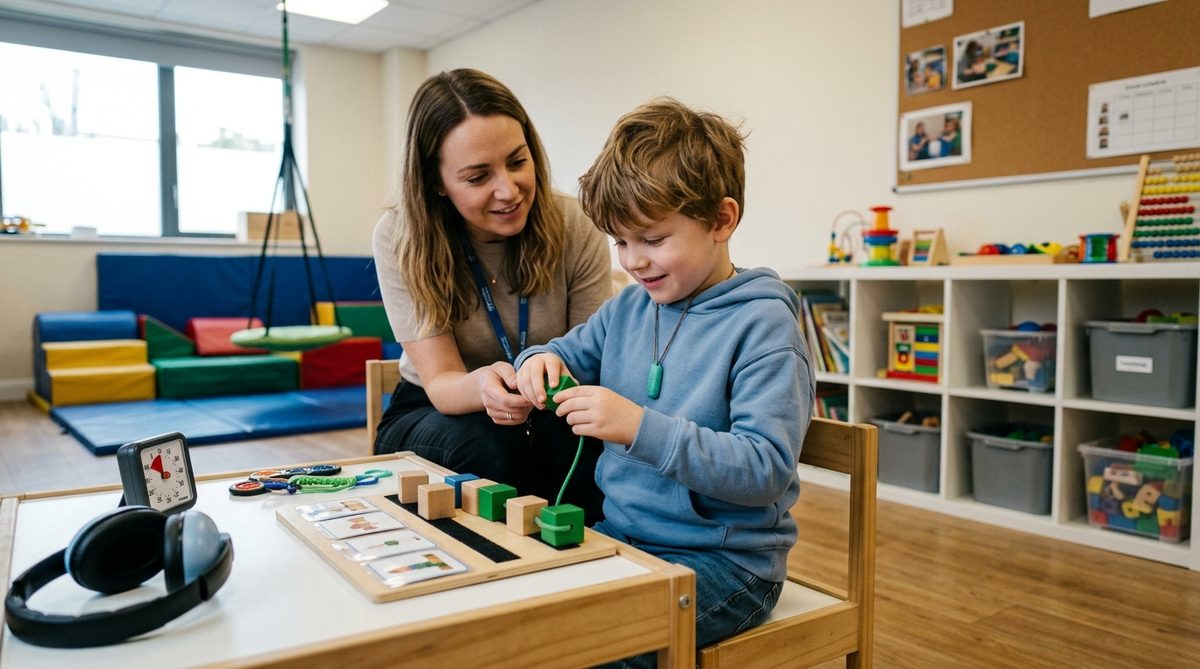
Can an autistic child live normal life?
Read article →
Can level 1 autism live normal lives?
Read article →
How serious is level 1 autism?
Read article →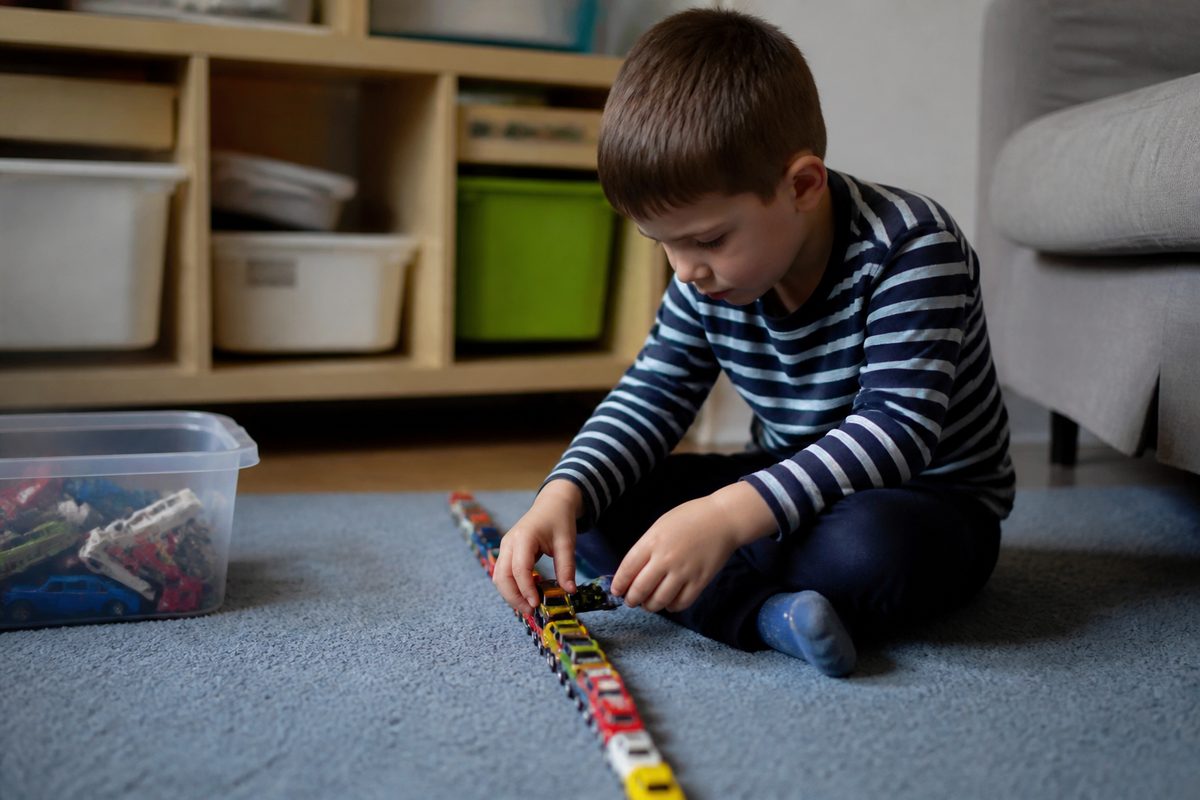
What are the signs of autistic behaviour?
Read article →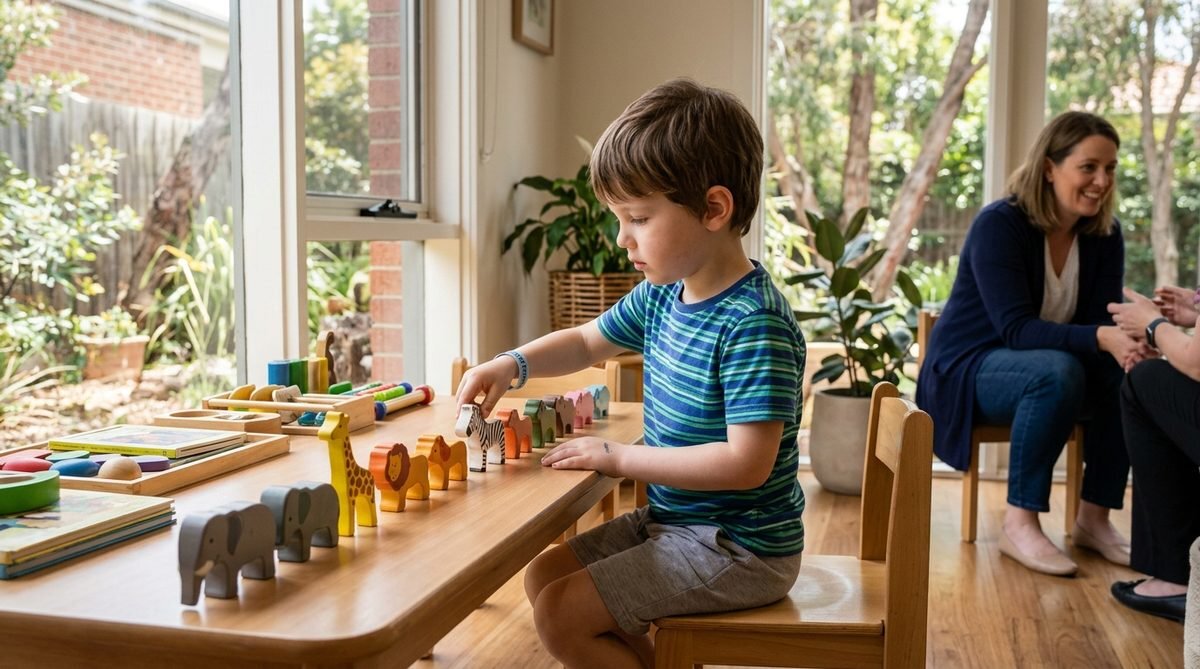
What Characteristics Does an Autistic Child Have? A Parent's Plain-English Guide in Melbourne
Read article →Explore more Better Start guides
Use these topic hubs to keep reading related articles by condition, support need, or funding question.
NDIS & disability
Access, funding, planning, disability support, and eligibility guides.
Open hub →Lupus
Symptoms, diagnosis, flares, disability support, and daily life.
Open hub →Autoimmune disease
Symptoms, coping strategies, long-term health, and support options.
Open hub →Rheumatoid arthritis
Flares, treatments, daily living, disability support, and NDIS questions.
Open hub →Kidney disease
Kidney symptoms, kidney failure, dialysis, and support questions.
Open hub →Speech therapy
Therapy funding, stuttering, cleft palate, dyslexia, and communication support.
Open hub →