What are some good life skills activities for adults?
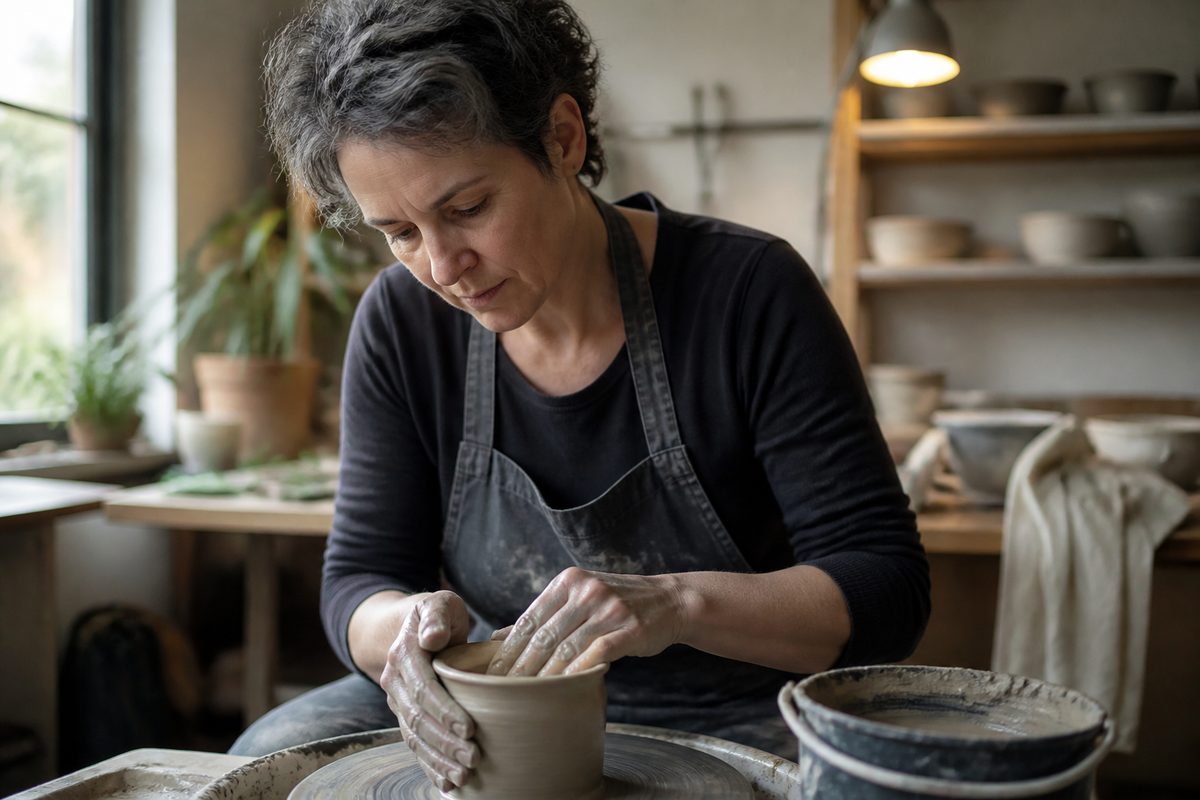
Good life skills activities for adults use real tasks to build independence through practice. Examples include planning a meal, catching public transport, making a phone call, managing money, dealing with an emergency, or getting ready for work. The best activity has a clear purpose and fits into daily life. It should suit the person’s current ability while adding one doable step.
Worksheets can explain a skill. But doing it makes the lesson stick. Reading about shopping isn't the same as finding an item, checking the price, paying, and keeping the receipt.
activities lets the person make choices. It also leaves room for small mistakes, without putting them in real danger.
The key idea is simple: practise life where it happens. Start somewhere calm, give less help over time, and repeat the task in different places. That’s how a guided exercise becomes a skill the person can use at home, at work, and out in the community.
What makes an activity useful in daily life?
A useful activity solves a real problem. It helps someone do something they want or need to do with less support. That could mean making breakfast, booking an appointment, checking a bank balance, or asking a shop worker for help.
Start with a clear end point. “Improve cooking” is too broad. “Make scrambled eggs and clean the pan” is a task the person can understand and repeat.
There’s a clear result, too. That makes progress easier to spot.
Keep the task respectful for an adult. Use adult tools, real prices, current timetables, and genuine choices. Toy money may help at first, but practice should soon move to coins, cards, banking apps, or a safe practice account.
Interest matters. People repeat tasks that feel useful. Someone who wants more privacy may put real effort into learning laundry.
A person looking for work may care more about a job interview, arriving on time, or writing a clear email. Tie practice to a goal they value.
How can everyday routines become practice sessions?
Pick a routine the person already does, then turn one part into active practice. A meal can teach planning, food safety, measuring, timing, cleaning, and choice. A trip to the chemist can teach route planning, waiting, payment, and communication.
Break the routine into clear steps. For grocery shopping, the steps might include:
- Choose a meal to make.
- Check which ingredients are already at home.
- Write a short shopping list.
- Set a spending limit.
- Find each product and compare unit prices.
- Pay and check the receipt.
- Store the food safely at home.
Don't teach every step at once. Ask the person to do the parts they can already manage. Step in where the task gets hard.
This keeps the activity challenging enough to teach, but not so hard that it feels impossible.
helper. You might start by asking, “What comes next?” If that doesn't work, point to the list. Show the whole step only if needed.
Removing prompts in this order helps the person take charge, instead of waiting to be told what to do.
Which home tasks offer the strongest practice?
Home tasks work well because they happen often and have a clear result. Meal preparation, laundry, cleaning, basic repairs, medication routines, and household planning can all become planned activities.
Can meal planning teach more than cooking?
Yes. Ask the person to pick meals for several days, check use-by dates, make a list, and stay within a set amount. While cooking, practise safe knife use, hand washing, heat control, and cleaning as the food cooks.
Add problem solving by changing one part of the plan. An ingredient might be unavailable, the budget could be lower, or the meal may need to feed another person. The goal is to pause, weigh up safe options, and pick one that works.
How can cleaning build planning skills?
Give the task a standard that can be checked. “Clean the bathroom” may leave someone wondering where to start. A photo checklist can show the sink, mirror, toilet, floor, and stored products.
The person can pick the order, collect supplies, do the work, and check the result.
Include product safety. Read labels, don't mix chemicals, wear gloves when needed, and keep supplies away from food. This turns the activity into useful practice for independent living, not just another chore.
Why is laundry a useful learning task?
Laundry mixes several skills: sorting, reading labels, measuring detergent, using a machine, managing time, and putting clothes away. Begin with one load. Let the person follow a written or picture guide, then remove parts as the steps become familiar.
How can community tasks build real confidence?
Community practice uncovers barriers that don't show up at home. Noise, queues, changed timetables, unfamiliar staff, and time pressure can all affect how someone performs. Start during a quiet time, then repeat the task under normal conditions.
Public transport is a strong example. Ask the person to plan a route, find the stop, check the direction, use the right payment method, watch for landmarks, and get off at the planned place. Also practise what to do if the service is late or they miss the stop.
Shopping can cover finding products, comparing prices, asking for help, using a self-service checkout, and checking change. A café visit can build ordering skills, budget awareness, patience, and social skills. These activities work because success brings a real result.
Safety plans should make access easier without causing fear. Agree on a meeting point, carry a charged phone, save key contact details, and decide when to ask staff for help.
Teach first aid through an accredited course where possible. At home, practise finding the first-aid kit, clearly explaining an injury, calling emergency services, and giving the correct address.
How can money practice feel real without risking too much?
Use real choices with a firm limit. Give the person a set amount for a meal, household item, or weekly activity. Ask them to compare options, buy the item, keep proof of payment, and record what’s left.
A mock monthly budget can help, especially when it uses the person’s real costs. Include income, rent or board, transport, food, phone costs, health needs, and personal spending. Ask them to schedule bills and check if enough money will remain.
Online safety belongs in money practice. Digital literacy means knowing how to create strong passwords, spot fake messages, check a website address, protect personal details, and review account activity.
Use sample scam messages and ask the person to mark the warning signs. They should practise stopping before they click, checking through a trusted channel, and reporting the message.
Many activities miss one key point: recovering from a mistake. People need a plan for a declined card, lost receipt, accidental subscription, or payment sent to the wrong account. Knowing how to respond may protect independence more than getting every practice attempt right.
What activities prepare adults for work?
Work preparation should match the demands of a real role. Reading general tips has little value unless the person practises what an employer expects. Good tasks include following a roster, packing a work bag, planning the trip, completing a timed duty, asking for clarification, and reporting when a task is done.
For a job interview, use a real job advertisement. Ask the person to find the main duties, choose examples from their experience, plan suitable clothes, and travel to the interview site.
Record a practice interview if they agree. Review one point at a time, such as answer length, voice level, or asking a question at the end.
Email and phone activities need a purpose. The person could confirm an appointment, ask about a vacancy, report an absence, or request more details. Communication practice should cover listening, taking notes, checking meaning, and ending the exchange clearly.
Teach workplace problem solving with short situations. A bus is cancelled. A task instruction isn't clear. A machine stops working.
The person should spot the immediate risk, decide who to contact, explain the issue, and take the next safe step.
How can practice strengthen relationships and self-advocacy?
Use situations adults really face, not scripts made for children. Practise joining a group chat, declining an invitation, asking a housemate to lower the noise, telling a worker about a support need, or dealing with a dispute over shared space.
Role-play works best when it connects to a current goal. Switch roles so the person can hear how a request sounds from the other side. Then try the exchange in the real setting when it’s safe.
Social skills should never mean hiding discomfort or copying everyone nearby. The aim is to state needs, read key signals, respect boundaries, and make informed choices. A person can ask for written instructions, request a quieter spot, or take more time to answer.
Another often-missed skill is repairing an interaction. Someone may interrupt, forget a name, or speak sharply when stressed.
Practise a quick repair such as, “Sorry, I interrupted. Please finish,” or, “I was upset. Can we start again?” Recovering stops one awkward moment from ending the whole exchange.
How should an activity be adjusted when it feels too hard?
Change the task before deciding the person can't learn it. Cut the number of steps, reduce the noise, allow more time, use a picture guide, or practise at a quieter hour. Keep the adult goal the same.
Find the exact point where progress stops. If the person can cook but forgets ingredients, work on making lists. If they can catch a bus but panic when it’s late, practise checking live updates and calling a support person.
That’s more useful than repeating the entire task with the same amount of help.
Support should fade as the skill grows. A helper might first show the task, then do it beside the person, watch from a distance, and later check the result. Tell the person when the support will change so it doesn't feel sudden.
Don't mistake speed for skill. Someone may work slowly and still finish the task safely. Measure the result, how much help they used, what they understood, and how well they recovered when something changed.
How can progress be measured without turning life into a test?
Choose one result that matters. Record whether the person finished the task, what prompts they needed, and whether the result was safe. A quick note after each attempt is enough.
For example, a transport goal could move from planning a route with full support to making the trip with a saved map and one check-in. A cooking goal could shift from step-by-step prompts to following a recipe without spoken help.
Ask how the task felt and what the person wants to change. Confidence matters, but check it against the evidence.
Someone may feel nervous while doing the task well. Another person may feel ready but miss a safety step. Both views help shape the next activity.
Try the skill in more than one place. Making a phone call in a quiet room doesn't prove the person can call from a busy station. Paying at one familiar shop may not carry over to a new checkout.
Small changes reveal whether the person learned the skill or simply memorised one routine.
What should the first week of practice look like?
Choose one goal linked to a current need. Don't build a huge program before seeing how the person responds. Use this plan:
- Ask the person which daily task would give them more choice or control.
- Watch them try it once without stepping in too early.
- Write down the exact step where support is needed.
- Create one activity that practises that step.
- Repeat it on another day and reduce one prompt.
- Use the skill in its real setting.
- Review the result with the person and choose the next small increase.
professional support may help when disability, injury, anxiety, communication needs, or safety risks affect the activity. The person should still help choose the goal and make decisions during practice. Support works best when it gives them more control over time.
Choose one real task the person wants to handle more independently, practise its hardest step this week, and remove one prompt when they can complete it safely.
Common questions
What are some examples of life skills activities for adults?
Adults can practice cooking, budgeting, cleaning, job interviews, and basic home repairs. They can also plan a weekly schedule, learn first aid, or join a group activity.
What are the 7 essential life skills for adults?
Seven essential life skills are communication, problem-solving, decision-making, time management, money management, self-care, and teamwork. These skills help adults handle daily tasks, work well with others, and make good choices.
What are some examples of life skills activities?
Life skills activities include making a meal, creating a budget, washing clothes, and planning a trip. Role-playing a job interview or solving a group problem can also build useful skills.
What are 10 basic life skills?
Ten basic life skills are cooking, cleaning, budgeting, communication, time management, decision-making, problem-solving, teamwork, first aid, and self-care. Practicing these skills helps people become safer, more confident, and more independent.
Explore this topic: NDIS and disability guides. For tailored support, see NDIS personal training in Melbourne.

What not to do with an autistic child?
Read article →
Can an autistic child live normal life?
Read article →
Can level 1 autism live normal lives?
Read article →
How serious is level 1 autism?
Read article →
What are the signs of autistic behaviour?
Read article →
What Characteristics Does an Autistic Child Have? A Parent's Plain-English Guide in Melbourne
Read article →Explore more Better Start guides
Use these topic hubs to keep reading related articles by condition, support need, or funding question.
NDIS & disability
Access, funding, planning, disability support, and eligibility guides.
Open hub →Lupus
Symptoms, diagnosis, flares, disability support, and daily life.
Open hub →Autoimmune disease
Symptoms, coping strategies, long-term health, and support options.
Open hub →Rheumatoid arthritis
Flares, treatments, daily living, disability support, and NDIS questions.
Open hub →Kidney disease
Kidney symptoms, kidney failure, dialysis, and support questions.
Open hub →Speech therapy
Therapy funding, stuttering, cleft palate, dyslexia, and communication support.
Open hub →