What Are Telltale Signs of Lupus? Early Warnings You Shouldn't Miss
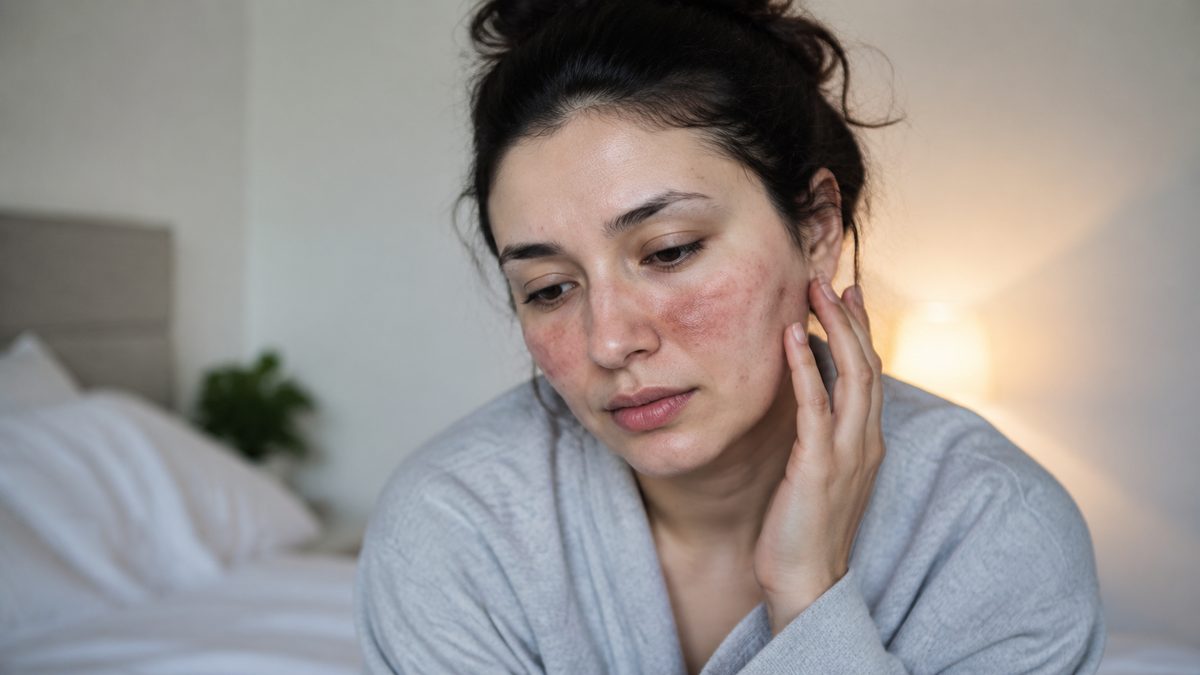
The most telltale signs of lupus are a butterfly-shaped rash across the cheeks and nose, joint pain in multiple small joints, extreme fatigue that sleep doesn't fix, and skin that reacts badly to sunlight. Add unexplained hair loss, recurring low-grade fevers, and swelling in the hands or feet, and the picture becomes clearer.
A blood test showing positive antinuclear antibodies (ANAs) alongside specific antibodies like anti-dsDNA is the strongest laboratory indicator. But here's the key: no single sign confirms lupus. Three or more of these together is enough reason to see a rheumatologist now.
Why Is Lupus So Hard to Spot Early?
Lupus is an autoimmune disease. Your immune system produces antibodies that attack your body's own tissues instead of foreign invaders. Those attacks trigger inflammation across multiple systems at once: skin, joints, kidneys, heart, lungs, and brain.
The problem? Early lupus looks like a dozen other conditions. Fatigue could be thyroid disease. Joint pain could be rheumatoid arthritis. Rash could be rosacea. This overlap is why the average person with lupus sees three or more doctors before getting a correct diagnosis.
Research confirms that up to half of lupus cases begin in an incomplete form: real symptoms, real antibodies, but not quite enough to meet the full diagnostic criteria yet. This stage is called incomplete SLE (systemic lupus erythematosus), and it matters because it can be just as clinically significant as full-blown lupus and often requires treatment.
In my experience, the people who get diagnosed fastest are the ones who came in with a written list of symptoms across different body systems. I worked with a client managing a chronic illness who spent two years being told her fatigue was stress. It wasn't until she connected her joint pain, hair loss, and sun sensitivity together in one appointment that her GP referred her to a rheumatologist.
What Are the Most Obvious Signs of Lupus?
The most obvious sign is the malar rash. It spreads across both cheeks and the bridge of the nose in a shape that looks like a butterfly. It's flat or slightly raised, red or purple, and it doesn't cross into the skin folds around the nose. Around half of people with lupus develop this rash at some point.
Other obvious signs include:
- Photosensitivity: skin flares or rashes after even brief sun exposure
- Joint pain and swelling: especially in the fingers, wrists, and knees, usually on both sides of the body
- Hair thinning or loss: often in patches, or general thinning across the scalp
- Mouth or nose ulcers: usually painless, which is why people miss them
- Extreme fatigue: not tiredness, but a bone-deep exhaustion that doesn't improve with rest
- Low-grade fever: often recurring without an obvious infection
- Raynaud's phenomenon: fingers or toes turning white or blue in the cold
Kidney involvement is less visible but serious. Foamy urine or swelling in the ankles and legs can signal that the kidneys are under attack. This is called lupus nephritis (kidney damage from lupus), and it requires urgent attention.
What Does Lupus Feel Like in the Beginning?
In the beginning, lupus feels like being unwell without a clear reason. Most people describe it as a persistent flu that never fully arrives and never fully leaves. Joints ache in the morning. Energy disappears by midday. Small things feel overwhelming.
One of my clients described early lupus like this: she felt like she was running on a depleted battery every single day. She could function, but only just. Exercise left her exhausted for two days instead of energised. She assumed she was just out of shape. She wasn't.
What makes early lupus especially confusing is that it comes and goes. Symptoms flare for a few weeks, then ease off. People assume they were just run down. But the flare-remit pattern is actually one of lupus's defining features, and it makes the condition easy to dismiss early on.
Research on early symptoms found that fatigue, arthritis, and skin manifestations tend to appear first, often months or years before a formal diagnosis. If your fatigue has no explanation and your joints hurt in a pattern that shifts around your body, that combination alone warrants a blood test.
What Is the Best Indicator of Lupus?
The best single laboratory indicator is a positive ANA test. Antinuclear antibodies are present in more than 95% of people with lupus. If your ANA comes back negative, lupus is unlikely. If it comes back positive, further testing is needed because ANAs also appear in other autoimmune conditions.
The more specific test is anti-double-stranded DNA (anti-dsDNA). This antibody is found in around 70% of people with lupus and is highly specific to the disease. High anti-dsDNA levels often correlate with disease activity, particularly kidney involvement.
Other important blood markers include:
- Anti-Smith (anti-Sm): less common but very specific to lupus
- Low complement levels (C3 and C4): indicates active immune complex activity
- Low white blood cell or platelet counts: caused by the immune system attacking blood cells
- Urinalysis showing protein or red blood cells: signs of kidney involvement
Rheumatologists now use the ACR/EULAR classification criteria to score lupus likelihood. A positive ANA plus a cumulative score of 10 or higher across clinical and laboratory criteria confirms SLE. This scoring system replaced older methods and catches more early cases.
What I found was that many people come to me after their GP ran only an ANA and stopped there. A positive ANA without follow-up testing leaves them in diagnostic limbo. Push for the full antibody panel and complement levels if your ANA is positive.
At What Age Are You Usually Diagnosed With Lupus?
Most people are diagnosed between ages 15 and 45, which is why lupus is sometimes called a disease of women in their reproductive years. Around 90% of people diagnosed with lupus are female.
That said, lupus does occur in men, children, and older adults. Late-onset lupus, diagnosed after age 50, is less common but tends to come with longer diagnostic delays and a higher rate of additional autoimmune conditions like Sjögren's syndrome. In older patients, doctors often attribute symptoms to other age-related conditions, which slows the path to a correct diagnosis.
Lupus in children and teens can look more severe from the start, with kidney and nervous system involvement appearing earlier. Paediatric lupus accounts for roughly 15% to 20% of all lupus cases.
Race and ethnicity also shape who gets diagnosed and when. Lupus is two to three times more common in Black women than in white women, and it tends to present earlier and more severely in this group. These disparities are real and should inform how urgently symptoms are investigated.
Three Things Most Articles Get Wrong About Lupus Signs
Most articles list the symptoms correctly but miss some important angles that change how people actually use this information.
First: the butterfly rash is actually absent in many people with active lupus. It gets top billing because it's distinctive when it appears, but plenty of people go years with lupus and never develop the classic malar rash. Waiting for it before taking other symptoms seriously is a mistake. The full symptom picture matters far more than any one sign.
Second: fatigue in lupus is not ordinary tiredness. People often downplay it when describing their symptoms because they feel embarrassed calling it a symptom. But lupus fatigue is pathological. It's driven by active inflammation, anaemia from blood cell destruction, and sometimes direct neurological involvement. It doesn't respond to more sleep. Treating it like lifestyle fatigue delays diagnosis and leads to bad advice about pushing through exercise or stress reduction.
Third: lupus flares are often triggered by identifiable causes. Sun exposure, infections, hormonal changes, and even certain medications can push an incomplete or stable lupus into a full flare. Most articles mention photosensitivity but few explain that tracking these triggers is one of the most useful things someone with suspected lupus can do before their rheumatology appointment. A symptom and trigger diary for even four to six weeks gives a rheumatologist significantly more to work with.
How Does Exercise Fit Into Managing Lupus?
This is where a lot of people with lupus get let down by generic health advice. Exercise is genuinely beneficial for managing inflammation, fatigue, joint function, and mental health in lupus. But the type, intensity, and timing matter enormously. Managing a chronic illness requires mental resilience alongside physical strategies. managing a chronic illness
High-intensity outdoor exercise during a flare, or in strong sunlight, can trigger or worsen symptoms. One of my clients tried to push through fatigue with her usual running routine during an undiagnosed flare. She ended up bedridden for three days. That's not a willpower failure. That's biology.
Low-impact, consistent movement, swimming, walking, resistance training in a controlled environment, is what the evidence supports for autoimmune conditions. Working with a trainer who understands chronic illness and immune-mediated fatigue changes the outcome entirely. It's not about doing less. It's about timing effort with the body's current state.
If you're in Melbourne and managing a chronic illness like lupus under the NDIS, working with a qualified NDIS personal trainer who understands autoimmune conditions means your program is built around your biology, not despite it.
Frequently Asked Questions
Can lupus be confirmed with one test?
No. Diagnosis requires a combination of clinical signs and laboratory results. A positive ANA is the starting point, but the full diagnosis uses a scoring system that weighs multiple factors together.
Is lupus always serious?
Severity varies widely. Some people manage mild skin and joint symptoms for years. Others develop serious kidney, heart, or neurological complications. Early diagnosis and consistent treatment significantly reduce the risk of organ damage.
Can lupus go into remission?
Yes. The disease course for most people is relapsing and remitting. Some achieve sustained remission with treatment. Remission doesn't mean lupus is gone, but it means the disease isn't actively causing damage.
Can men get lupus?
Yes. Around 10% of lupus cases occur in men. Male lupus tends to be diagnosed later and is sometimes more severe at presentation.
What triggers a lupus flare?
Sun exposure, infections, stress, hormonal changes, and certain medications are the most common triggers. Identifying personal triggers through symptom tracking helps with management.
What is the difference between lupus and rheumatoid arthritis?
Both are autoimmune diseases with joint involvement, but lupus affects multiple organ systems and has distinct antibody markers (ANA, anti-dsDNA) not seen in rheumatoid arthritis. Lupus also causes skin and kidney manifestations that RA doesn't.
What Should You Do Right Now?
If you have three or more of these signs, butterfly rash, photosensitivity, joint pain in multiple joints, unexplained fatigue, hair loss, mouth ulcers, or recurring low-grade fever, book an appointment with your GP this week and ask specifically for an ANA panel, anti-dsDNA, complement levels (C3 and C4), and a full blood count.
Write down every symptom you've noticed over the past six months before that appointment, including when they appeared, how long they lasted, and anything that seemed to trigger them. That list will do more for your diagnosis than any amount of time spent researching online.
If your ANA comes back positive, ask for a referral to a rheumatologist rather than waiting to see if symptoms progress. Early intervention changes outcomes.Sources
Explore this topic: lupus guides.

What not to do with an autistic child?
Read article →
Can an autistic child live normal life?
Read article →
Can level 1 autism live normal lives?
Read article →
How serious is level 1 autism?
Read article →
What are the signs of autistic behaviour?
Read article →
What Characteristics Does an Autistic Child Have? A Parent's Plain-English Guide in Melbourne
Read article →Explore more Better Start guides
Use these topic hubs to keep reading related articles by condition, support need, or funding question.
NDIS & disability
Access, funding, planning, disability support, and eligibility guides.
Open hub →Lupus
Symptoms, diagnosis, flares, disability support, and daily life.
Open hub →Autoimmune disease
Symptoms, coping strategies, long-term health, and support options.
Open hub →Rheumatoid arthritis
Flares, treatments, daily living, disability support, and NDIS questions.
Open hub →Kidney disease
Kidney symptoms, kidney failure, dialysis, and support questions.
Open hub →Speech therapy
Therapy funding, stuttering, cleft palate, dyslexia, and communication support.
Open hub →