What Are the 14 Major Types of Disability? A Clear, Complete Guide
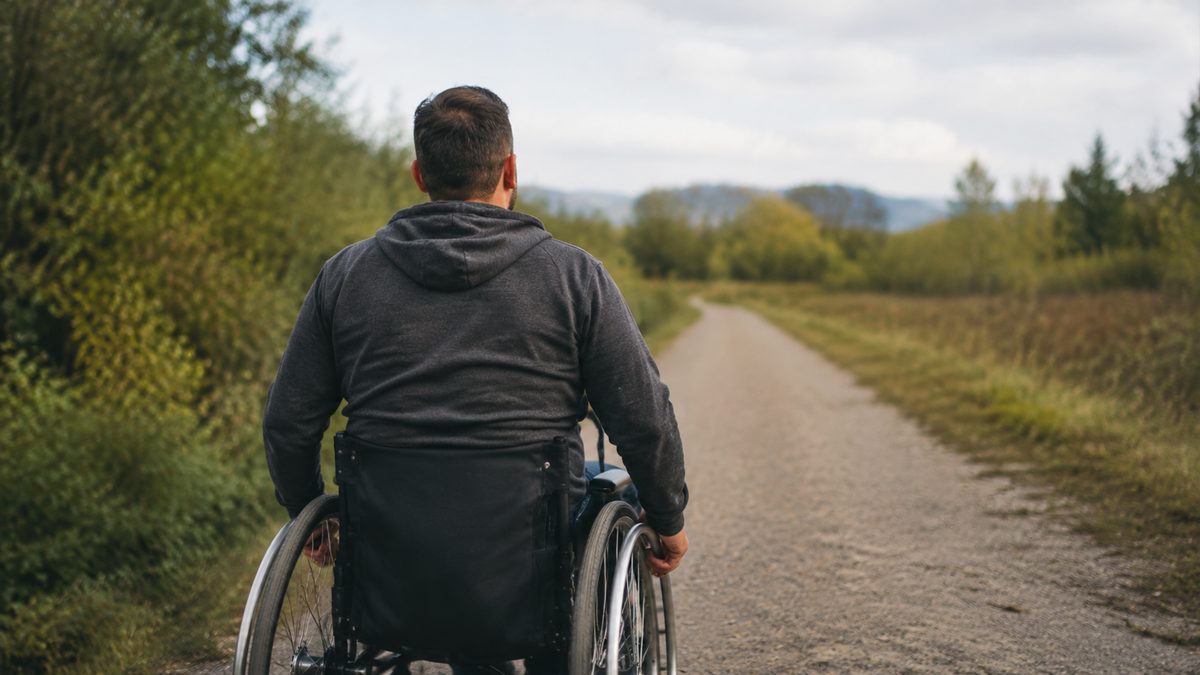
Disability covers far more ground than most people realise. It's not just wheelchairs and white canes.
It includes conditions you cannot see, diagnoses that shift day to day, and experiences that look completely different from one person to the next.
The major types recognised across most classification frameworks are: physical, intellectual, sensory, neurological, psychiatric, acquired brain injury, autism spectrum, communication, learning, chronic illness, psychosocial, vision, hearing, and multiple or complex disability. Some frameworks extend this list to 21 categories by splitting subcategories further, but these 14 cover the core ground.
Understanding each one matters if you're navigating support, exercise, rehabilitation, or the NDIS.
What Counts as a Physical Disability?
A physical disability limits a person's mobility, physical capacity, or bodily function. This includes spinal cord injuries, limb difference, muscular dystrophy, cerebral palsy, and conditions like multiple sclerosis that affect how the body moves.
Cerebral palsy affects muscle tone, movement, and motor skills. One of my clients has spastic diplegia, a form of cerebral palsy that mainly affects the legs. When we first started training together, standing exercises felt unsafe and discouraging.
We shifted the entire program to seated and supported movements. Within three months her confidence and lower-body strength had both improved significantly. Physical disability doesn't mean physical limitation is permanent or fixed.
Multiple sclerosis sits in this category too. It's progressive and unpredictable, which means programs need to be flexible. What works on a good day may be too much on a flare day.
What Is an Intellectual Disability?
An intellectual disability affects how a person learns, reasons, and solves problems. It's usually identified before age 18 and involves both cognitive limitations and challenges with everyday skills like communication, self-care, and social participation.
This doesn't mean someone can't learn or grow. It means the pace, method, and environment of learning need to match the person.
I remember one of my clients with a mild intellectual disability who had been told by a previous gym that he wasn't safe to train. We used simple, consistent cues, visual demonstrations, and short sessions. He built a solid strength routine over six months and was genuinely proud of it.
What Are Sensory Disabilities?
Sensory disabilities affect one or more of the senses. The two most common are vision impairment and hearing loss.
Vision impairment ranges from partial sight to complete blindness. It affects spatial awareness, balance, and the ability to read standard written instructions. Assistive technology like screen readers and tactile navigation tools supports independence.
In a gym or exercise setting, verbal cueing and physical guidance become essential. Hearing loss affects communication in real time. In a group class or noisy environment, a person with significant hearing loss may miss verbal instructions entirely.
Written cues, visual demonstrations, and positioning matter here.
What Is a Neurological Disability?
neurological disabilities result from damage or disease affecting the brain, spinal cord, or peripheral nervous system. This includes traumatic brain injury, stroke, Parkinson's disease, epilepsy, and multiple sclerosis.
Traumatic brain injury, or TBI, is particularly complex. Depending on where in the brain the injury occurred, a person might experience memory issues, fatigue, mood changes, balance problems, or difficulty processing information. Two people with TBI can present completely differently.
Physical medicine and rehabilitation plays a major role here. The goal isn't just recovery but rebuilding function, confidence, and quality of life over the long term.
What Is a Psychiatric or Psychosocial Disability?
A psychiatric disability comes from a mental health condition that significantly affects daily life. This includes schizophrenia, bipolar disorder, major depression, PTSD, and severe anxiety disorders. The term psychosocial disability is often used in NDIS contexts to describe the same group.
This is one of the most misunderstood categories. The disability isn't the diagnosis itself. It's the ongoing impact on a person's ability to work, socialise, maintain routines, and care for themselves.
What I found was that regular physical activity is one of the most evidence-backed supports for people with psychosocial disability. The challenge is that motivation, energy, and capacity fluctuate. A missed session shouldn't be treated as failure.
Consistency over weeks matters more than perfection on any given day.
What Is Acquired Brain Injury?
Acquired brain injury, or ABI, refers to any brain damage that occurs after birth. This includes strokes, falls, assaults, hypoxia, and infections like meningitis. It's distinct from traumatic brain injury, which specifically involves external force, though TBI is a subset of ABI.
ABI can affect memory, personality, physical coordination, speech, and emotional regulation. Recovery is possible, but it's rarely linear.
I know this because one of my clients recovering from a stroke plateaued for two months before making a significant jump in function. The work done during that plateau wasn't wasted. It was building the foundation.
What Is Autism Spectrum Disorder as a Disability?
Autism affects how a person processes sensory information, communicates, and interacts socially. It's a spectrum, which means the presentation and support needs vary enormously from one person to the next.
Some autistic people have high support needs. Others are highly independent and primarily need understanding and adjusted environments. Sensory sensitivities can make a loud gym an overwhelming and distressing place.
Predictable structure, clear communication, and sensory-aware environments make a real difference. Autism isn't an intellectual disability, though the two can co-occur. They're separate categories with different support needs.
What Are Communication and Speech Disabilities?
Speech and language impairment covers difficulties with speaking, understanding language, reading, or writing. This includes conditions like aphasia (often following a stroke or brain injury), stuttering, and childhood speech disorders.
A person with aphasia may understand everything said to them but struggle to find words or form sentences. Assuming they don't understand because they can't speak fluently is one of the most common and harmful mistakes made in care and support settings.
Augmentative and alternative communication devices, part of the broader assistive technology category, give many people with communication disabilities a reliable way to express themselves.
What Is a Learning Disability?
A learning disability affects how a person reads, writes, calculates, or processes information. Dyslexia, dyscalculia, and dyspraxia are common examples. These are neurological in origin and are separate from intellectual disability.
People with learning disabilities are often of average or above-average intelligence. The challenge is that standard instruction methods don't work well for them. When the environment adapts, performance often changes dramatically.
What Are Chronic Illness and Invisible Disabilities?
This is where the biggest gap exists between public understanding and lived experience. Chronic illness as a disability includes conditions like fibromyalgia, chronic fatigue syndrome, lupus, Crohn's disease, and endometriosis.
Hidden disabilities are real disabilities that aren't immediately visible. A person might look well but be managing severe chronic pain, fatigue, or organ dysfunction every day. The sunflower lanyard scheme in some countries exists specifically to signal invisible disability in public spaces.
Does osteoporosis qualify as a disability? Yes, it can. Severe osteoporosis that leads to fractures, chronic pain, or significantly limits mobility and daily function meets the criteria under most disability frameworks, including the NDIS. It depends on impact, not diagnosis alone.
A person with mild osteoporosis may not qualify. A person with multiple vertebral fractures and severe movement limitations likely will.
What Is a Multiple or Complex Disability?
Some people live with two or more co-occurring disabilities that interact and compound each other. This is called multiple or complex disability. For example, a person with cerebral palsy and an intellectual disability, or someone with ABI alongside a psychiatric condition.
Support for complex disability needs to account for how the conditions affect each other, not just each condition in isolation. A program or support plan built around one diagnosis while ignoring the others will underserve the person.
What Are the 10 Most Common Disabilities?
Based on Australian and global data, the ten most common disabilities are:
- Physical disability (mobility and musculoskeletal conditions)
- Psychiatric and psychosocial disability
- Hearing loss
- Vision impairment
- Intellectual disability
- Autism spectrum disorder
- Chronic illness and pain conditions
- Acquired brain injury
- Learning disability
- Neurological conditions including epilepsy and multiple sclerosis
These ten account for the vast majority of disability support needs in Australia. Physical and psychiatric disabilities are the most prevalent by a significant margin.
What Most Articles Get Wrong About Disability Types
Three things get consistently missed or misrepresented.
First, disability isn't binary. Most people assume you either have a disability or you don't. In reality, function exists on a spectrum, and the same person's capacity can change day to day, year to year, or situation to situation.
Second, the category a disability falls into doesn't predict how much support someone needs. A person with a mild physical disability might need more support than someone with a severe learning disability, depending on their environment, goals, and what they're trying to do.
Third, most people acquire their disability during their lifetime. Disability isn't a fixed population you're born into. Injury, illness, ageing, and mental health conditions mean the majority of people who live with disability didn't always have it.
This changes how people relate to their identity, their body, and the support they'll accept.
FAQ
What are the 21 types of disabilities?
The 21-type framework expands the 14 major categories by splitting subcategories. For example, sensory disability gets split into vision and hearing separately. Neurological splits into TBI, ABI, and other neurological conditions.
The extra categories add specificity but cover the same overall ground.
Does osteoporosis qualify for disability?
Yes, when it significantly limits daily function. Diagnosis alone doesn't determine eligibility. The key question is whether the condition restricts what a person can do in a substantial and long-term way.
What are some hidden disabilities?
Chronic fatigue syndrome, fibromyalgia, lupus, Crohn's disease, endometriosis, PTSD, anxiety disorders, epilepsy, and some forms of autism and learning disability. These conditions are real and often severe, but not visible to others.
Can someone have more than one type of disability?
Yes. This is common. Autism and intellectual disability frequently co-occur. ABI often results in both neurological and psychiatric disability. The NDIS and most support frameworks account for this through individualised planning rather than category-based allocations.
Is the NDIS available for all 14 disability types?
The NDIS covers all disability types provided the condition is permanent or likely to be permanent, and the person is under 65 at the time of first access. The focus is on functional impact, not diagnosis category.
What to Do With This Information
If you're supporting someone with a disability, or navigating your own, the most important step is to look at function rather than labels. What can this person do? What do they want to do? What is getting in the way?
If you're in Melbourne and looking for exercise support that's built around disability, whether physical, neurological, psychosocial, or any combination, a qualified NDIS personal trainer can build a program around your actual needs, not a generic template.
Start there. Everything else follows from understanding what the person in front of you actually needs.
Explore this topic: NDIS and disability guides.

What not to do with an autistic child?
Read article →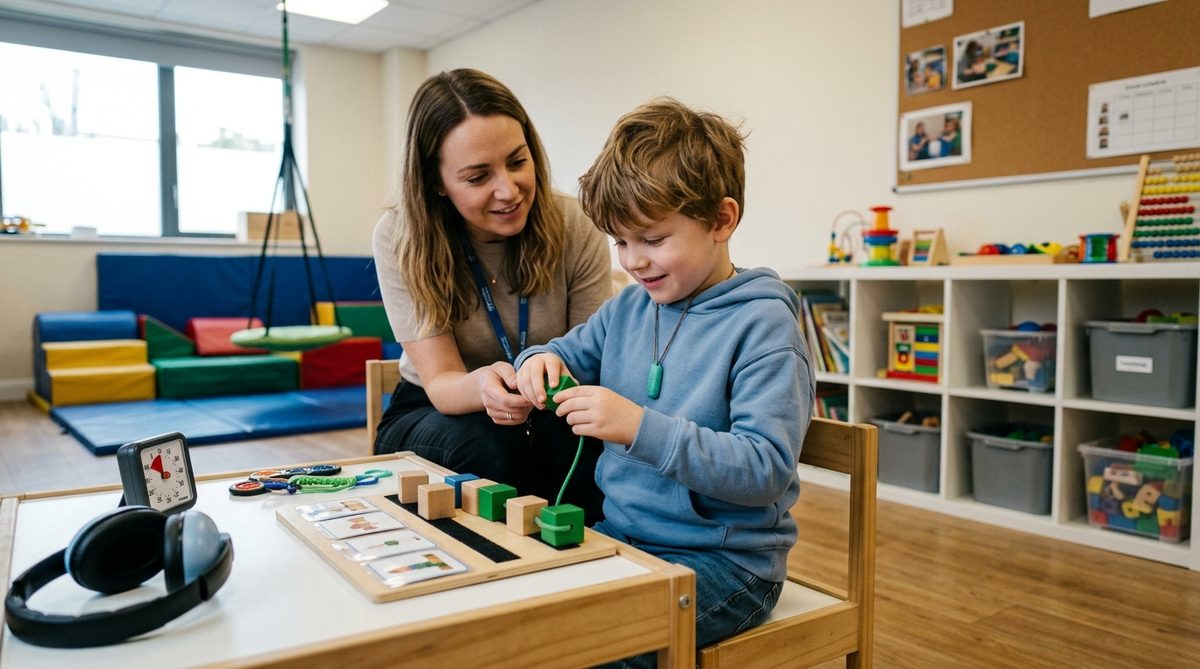
Can an autistic child live normal life?
Read article →
Can level 1 autism live normal lives?
Read article →
How serious is level 1 autism?
Read article →
What are the signs of autistic behaviour?
Read article →
What Characteristics Does an Autistic Child Have? A Parent's Plain-English Guide in Melbourne
Read article →Explore more Better Start guides
Use these topic hubs to keep reading related articles by condition, support need, or funding question.
NDIS & disability
Access, funding, planning, disability support, and eligibility guides.
Open hub →Lupus
Symptoms, diagnosis, flares, disability support, and daily life.
Open hub →Autoimmune disease
Symptoms, coping strategies, long-term health, and support options.
Open hub →Rheumatoid arthritis
Flares, treatments, daily living, disability support, and NDIS questions.
Open hub →Kidney disease
Kidney symptoms, kidney failure, dialysis, and support questions.
Open hub →Speech therapy
Therapy funding, stuttering, cleft palate, dyslexia, and communication support.
Open hub →