What Are the 4 Major Disabilities? Types, Examples, and What They Mean for Your Body
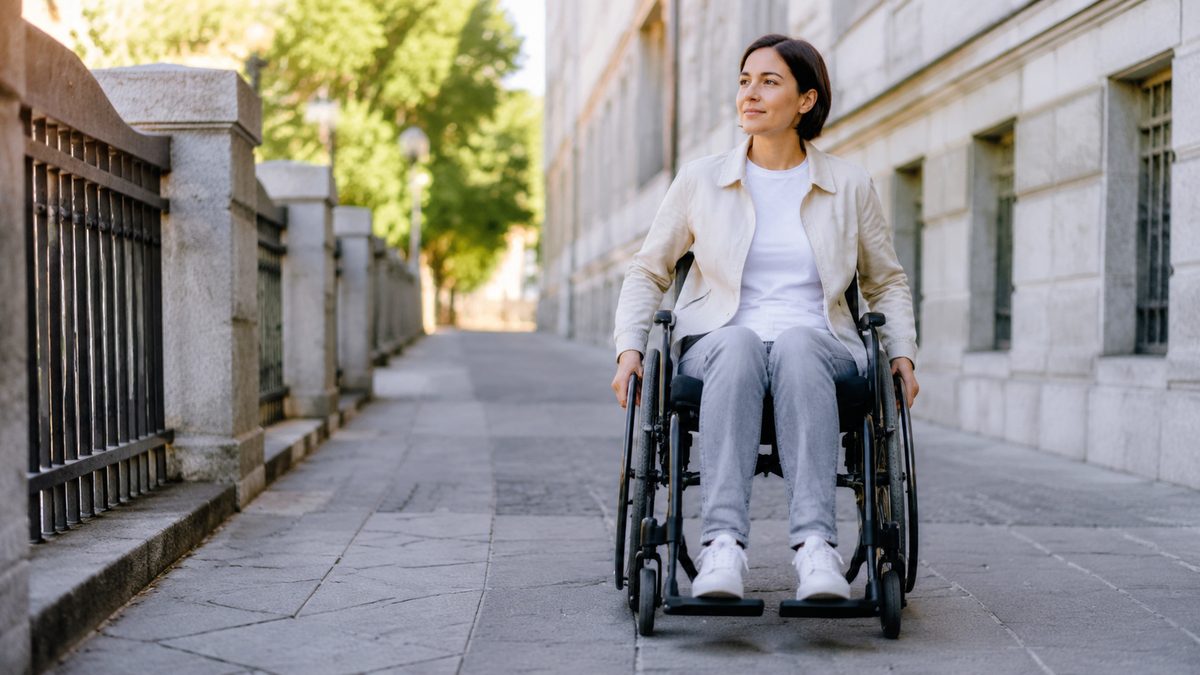
Disability affects over 1 in 5 Australians. Most people can't name the four main categories, let alone explain what living inside each one actually feels like. That gap matters because the category shapes everything from the support you qualify for to the exercise and rehab approach that will work for you.
The four major types of disability are physical, cognitive, sensory, and mental health disabilities. Every classification system, including the World Health Organization's International Classification of Functioning, Disability and Health (ICF), organises disabilities around these core groupings.
Here's what each one means in real life.
What Is a Physical Disability?
A physical disability limits a person's movement, mobility, stamina, or physical capacity. It can be present from birth or acquired through injury, illness, or a condition that develops over time.
Common examples include cerebral palsy, spinal cord injury, multiple sclerosis, muscular dystrophy, and acquired brain injuries that affect motor function. Chronic pain conditions and fatigue disorders also fit here when they restrict physical capacity in a consistent, diagnosed way.
One of my clients, a 34-year-old with spinal cord injury at the T6 level, described it like this: "People see the wheelchair and think they understand my disability. They don't see the spasticity, the temperature regulation problems, or the fact that a full bladder can spike my blood pressure dangerously high." Physical disability is rarely just about movement.
What most articles miss: physical disability often carries a secondary fitness cost. When movement is painful or difficult, people move less. When they move less, muscle wastes, cardiovascular fitness drops, and pain often increases. This is a cycle, and it's breakable with the right structured exercise approach.
In my experience, clients with physical disabilities make the most progress when their program is built around what their body can do consistently, not what it used to do or what a textbook says it should do.
What Is a Cognitive Disability?
A cognitive disability affects how a person thinks, learns, remembers, concentrates, or makes decisions. The World Health Organization recognises cognitive function as a core domain of health, and disruption here touches almost every part of daily life.
This category includes intellectual disability, acquired brain injury, autism spectrum disorder, dementia, and learning disabilities like dyslexia. It also includes conditions like ADHD where executive function, working memory, and attention are reliably impaired.
Cognitive disabilities affecting intellectual abilities vary enormously in severity. Someone with a mild intellectual disability might manage most daily tasks independently. Someone with a severe acquired brain injury might need support for every activity.
I remember when one of my clients with a traumatic brain injury came to his first session and handed me a written list of things he needed me to know. "I forget instructions after the third step. I need you to show me, not tell me. And if I get frustrated, give me two minutes." That piece of paper made us a better team immediately. Cognitive disability isn't about intelligence. It's about how the brain processes and holds information.
What gets missed here: cognitive load is a real physical barrier. Environments with too much noise, too many choices, or too fast a pace create genuine exhaustion for people with cognitive disabilities. A well-designed exercise session or support environment reduces cognitive load by design, not as an afterthought.
What Is a Sensory Disability?
A sensory disability affects one or more of the senses. Vision and hearing impairments are the most recognised, but sensory processing differences that cause consistent, documented impairment also fit here.
Blindness and low vision, Deaf and hard of hearing, and deafblindness are the primary categories. Sensory processing disorder, when it meets diagnostic criteria and causes real functional limitation, is increasingly included in this group as neuroscience research on sensory integration has grown.
One of my clients who is legally blind told me she was more frustrated by other people's assumptions than by anything her vision actually prevented her from doing. "Everyone slows down and speaks louder, like I've lost my mind." Sensory disability in one area doesn't affect another. This sounds obvious until you watch how often people behave as though it does.
For exercise and physical activity, sensory disability requires specific environmental adjustments. Verbal cueing replaces visual demonstration for someone with low vision. Written instructions or a sign language interpreter replaces verbal-only coaching for a Deaf client. The physical capacity is often completely intact. The communication channel needs to match.
What Is a Mental Health Disability?
A mental health disability is a diagnosed mental disorder that substantially limits a person's ability to function in daily life over a sustained period. The key word is substantially. A mental health diagnosis alone doesn't constitute a disability. The impact on functioning does.
This includes severe depression, bipolar disorder, schizophrenia, borderline personality disorder, post-traumatic stress disorder, and severe anxiety disorders. These aren't personality traits or bad days. They're conditions with documented neurological and physiological patterns that affect how a person can participate in work, relationships, and daily tasks.
In my experience, mental health disabilities carry the heaviest stigma of all four categories. I've worked with clients who were embarrassed to disclose a mental health disability but would immediately mention a physical one. The two aren't different in legitimacy, only in visibility.
What most articles get wrong: they treat mental health disability as separate from physical health. The research doesn't support that. Severe depression changes brain chemistry, disrupts sleep architecture, alters pain perception, and reduces cardiovascular resilience. PTSD keeps the nervous system in a chronic stress state that has real physical consequences. Mind and body aren't two separate systems being managed in parallel.
What Are the Top 10 Disabilities in Australia?
Within those four major categories, the most common specific disabilities in Australia according to national survey data are:
- Back problems and disc disorders
- Arthritis
- Mental health conditions including depression and anxiety disorders
- Hearing loss
- Cardiovascular disease causing functional limitation
- Intellectual disability
- Autism spectrum disorder
- Vision impairment
- Acquired brain injury
- Neurological conditions including multiple sclerosis and epilepsy
Back problems sitting at the top surprises some people. It shouldn't. Chronic back conditions are one of the leading causes of work absence and long-term functional limitation in the country. They're physical disabilities by every meaningful definition when they consistently restrict what a person can do.
Does Osteoporosis Qualify as a Disability?
Yes, osteoporosis can qualify as a disability, but the diagnosis alone isn't enough. What matters is whether the condition substantially limits your ability to perform major life activities.
Severe osteoporosis that leads to fractures, chronic pain, restricted mobility, or fear of movement that prevents participation in daily life meets the functional criteria for a physical disability. Someone with a T-score of -2.5 who walks freely and lives without restriction wouldn't typically qualify. Someone who has sustained multiple vertebral fractures and can't lift, bend, or stand for extended periods likely would.
When I tried to explain this distinction to a client's family member, she said: "So it's not about what you have, it's about what it stops you from doing." That's exactly right. Disability classification under the NDIS and the ICF framework is based on function, not diagnosis.
If osteoporosis is limiting your daily life, speak with your GP about a referral for supports. Exercise physiology and structured physical activity under professional guidance is also one of the most evidence-supported treatments for improving bone density and reducing fracture risk.
How Do These Four Categories Overlap?
They overlap constantly. This is one of the most important things to understand, and most introductory articles skip it entirely.
Someone with multiple sclerosis may have a physical disability from motor impairment, a cognitive disability from MS-related cognitive changes, and a mental health disability if they develop clinical depression, which happens in roughly half of MS cases. That's three of the four categories in one person.
Someone with a severe acquired brain injury may have physical disability from hemiplegia, cognitive disability from memory and attention deficits, and sensory disability from vision changes. Again, multiple categories.
This matters for support planning. A service or program designed only for physical disability will miss the cognitive and mental health components. A truly effective support accounts for the whole person, not just the most visible category.
What Does This Mean for Exercise and Physical Activity?
Structured physical activity is one of the most researched and consistently supported interventions across all four disability categories. That's not a soft claim. The evidence base is strong.
For physical disability, resistance training and targeted exercise preserves muscle, reduces secondary conditions, and improves independence. For cognitive disability, regular aerobic exercise has demonstrated benefits for attention, memory, and mood regulation through its effects on brain-derived neurotrophic factor (BDNF). For sensory disability, fitness and strength training require adapted communication but deliver the same physical benefits. For mental health disability, exercise has comparable effects to antidepressants for mild to moderate depression in multiple controlled trials.
This is based on what happened to my clients, but it lines up with the research: the people who make the most consistent progress are the ones working with a trainer who understands their specific disability category, not one who treats every client the same regardless of diagnosis.
NDIS participants in Melbourne can access exercise and fitness support through NDIS-registered providers, including NDIS personal trainers who build programs specifically around disability type and functional goals. If you're looking for that kind of support, NDIS personal training in Melbourne is available for participants across all four disability categories.
FAQ
What are the 4 main types of disabilities?
Physical, cognitive, sensory, and mental health. These four categories cover the full range of ways disability affects daily functioning, and they come from the framework used by the World Health Organization's International Classification of Functioning, Disability and Health.
Can someone have more than one type of disability?
Yes, and it's common. Many conditions produce impairments across multiple categories simultaneously. Multiple sclerosis, acquired brain injury, and cerebral palsy frequently involve physical, cognitive, and sometimes sensory impairments together.
Is chronic pain a disability?
Chronic pain that consistently limits your ability to work, move, or participate in daily life qualifies as a physical disability under most frameworks, including NDIS eligibility criteria. The key is documented functional impact, not pain intensity alone.
What is the difference between a disability and a disorder?
A disorder is a diagnosed condition. A disability is the functional limitation that results from that condition in the context of a person's environment and daily demands. Someone can have a disorder without having a disability, and disability is shaped partly by how accessible and supportive the environment is.
Does the NDIS cover all four disability types?
Yes. The NDIS covers permanent and significant disabilities across physical, cognitive, sensory, and psychosocial (mental health) categories. Eligibility is based on functional impact and permanence, not the diagnostic label alone.
Is autism a cognitive disability?
Autism spectrum disorder involves differences in cognition, communication, and sensory processing. Depending on how it affects an individual's functioning, it may be classified as cognitive, sensory, or both. Classification matters less than understanding the specific support needs it creates.
What to Do Now
If you or someone close to you is living with a disability in any of these four categories and physical activity has felt too hard, too risky, or too generic, the starting point is simple: find a support person or trainer who understands your specific disability type and builds the program around your functional reality, not a standard template.
Book an initial consultation with an NDIS-registered provider, bring your diagnosis and a clear description of what daily life actually looks like, and ask directly how they adapt their approach to your disability category. That conversation will tell you everything you need to know about whether they're the right fit.
Explore this topic: NDIS and disability guides.

What not to do with an autistic child?
Read article →
Can an autistic child live normal life?
Read article →
Can level 1 autism live normal lives?
Read article →
How serious is level 1 autism?
Read article →
What are the signs of autistic behaviour?
Read article →
What Characteristics Does an Autistic Child Have? A Parent's Plain-English Guide in Melbourne
Read article →Explore more Better Start guides
Use these topic hubs to keep reading related articles by condition, support need, or funding question.
NDIS & disability
Access, funding, planning, disability support, and eligibility guides.
Open hub →Lupus
Symptoms, diagnosis, flares, disability support, and daily life.
Open hub →Autoimmune disease
Symptoms, coping strategies, long-term health, and support options.
Open hub →Rheumatoid arthritis
Flares, treatments, daily living, disability support, and NDIS questions.
Open hub →Kidney disease
Kidney symptoms, kidney failure, dialysis, and support questions.
Open hub →Speech therapy
Therapy funding, stuttering, cleft palate, dyslexia, and communication support.
Open hub →