What are the 7 criteria for autism?

The seven criteria often described for autism are three social communication differences and four restricted or repetitive patterns of behavior. They come from the two main symptom groups in the DSM-5. A person must show all three social communication differences and at least two of the four behavior patterns.
These features must also start during early development, affect daily life, and not be better explained by intellectual disability alone.
This way of counting can be confusing. The DSM-5 isn't a simple seven-item test where every box must be checked. It lists seven symptom areas across criteria A and B, then adds more rules about when the traits began and how they affect the person.
Once you see that structure, the criteria are much easier to read.
How are the seven symptom areas organised?
The first three areas deal with social communication differences. The next four cover repeated actions, routines, interests, and sensory experiences. Clinicians look for a pattern across these areas, not one trait on its own.
For example, a child who dislikes loud hand dryers does not meet the criteria based on that fact alone. But a child with lasting social communication differences, strict routines, repeated movements, and distress from common sounds may fit the wider pattern. The effect at home, at school, and in the community matters too.
The seven symptom areas are:
- Differences in social and emotional back-and-forth interaction.
- Differences in nonverbal communication used during social interaction.
- Differences in developing, understanding, or maintaining relationships.
- Repeated movements, use of objects, or speech.
- A strong need for sameness, routines, or fixed patterns.
- Highly focused interests that are unusual in strength or focus.
- Strong or reduced responses to sensory input, or unusual sensory interests.
The wording sets out areas for a clinician to explore. It doesn't tell families to count visible signs without context.
What does social and emotional back-and-forth mean?
This first area covers the natural exchange between people. One person shares an idea, feeling, or interest, and the other responds. Then the exchange carries on. social communication
An autistic person may find this rhythm hard to start, follow, or keep going.
Possible examples include rarely sharing enjoyment, giving little response to another person's feelings, or talking at length about a favourite subject without seeing that the listener wants a turn. Some people want friends but don't know how to enter a conversation. Others answer direct questions well yet struggle when the talk becomes open-ended.
This criterion is about more than eye contact or shyness. A shy person may understand the exchange but feel nervous about joining in. An autistic person may miss its hidden timing, emotional cues, or purpose.
Anxiety can happen at the same time, so clinicians look at what's driving the difficulty.
Speech ability can hide this difference. A person may have a large vocabulary and still struggle with two-way conversation. Many short checklists miss this point.
What counts as a difference in nonverbal communication?
Nonverbal communication includes eye gaze, facial expression, gesture, posture, and tone of voice. These signals work alongside spoken words. The criterion applies when a person has trouble using or understanding this combined system.
A child may point to ask for an item but rarely point to share interest. Another child may speak with little change in facial expression or tone. An adult may make eye contact because they've learned others expect it, yet put so much effort into eye gaze that they lose track of the conversation.
No single type of body language proves autism. Eye contact varies with culture, anxiety, trauma, and personality. Clinicians look at whether several nonverbal signals are hard to use, read, or match during social interaction.
They also allow for learned skills. Some autistic people copy gestures, practise facial expressions, or force eye contact to seem socially at ease. This masking can make a short appointment less useful than reports from daily life.
How can autism affect relationships?
The third social area covers changing behavior to suit different social settings, sharing imaginative play, making friends, and understanding how relationships work. The issue isn't whether a person has friends. It's how they form, understand, and manage relationships.
A young child may prefer playing alone or repeat the same play scene without accepting another child's ideas. A school-aged child may want close friends but treat every classmate the same way, miss teasing, or struggle when games have unwritten rules. An adult may communicate well at work yet feel lost in casual groups where nobody's role is clear.
Relationship needs vary too. Some autistic people enjoy frequent contact. Others prefer a small social circle.
A clinician asks whether the person understands and adjusts to the social demands around them, while respecting that wanting less social contact isn't a defect by itself.
Which repeated movements, speech, or use of objects may count?
The fourth area includes repeated body movements, repeated use of objects, and repeated speech. Examples include hand movements, rocking, pacing, spinning objects, lining up toys, repeating sounds, or quoting the same phrases.
Repeated speech can take several forms. A child might echo a question before answering it. Another person may repeat a line from a program because it says what they feel better than their own words.
Formal phrases or repeated scripts may also help someone handle an uncertain exchange.
These actions often have a purpose. They may control emotion, provide steady sensory input, show excitement, or help with focus. The assessment question isn't whether the action looks unusual.
What matters is whether the pattern lasts and forms part of the wider autism profile.
What does a strong need for sameness look like?
This area includes distress with change, strict routines, repeated rituals, and fixed ways of thinking. A person may need the same route, food, order of tasks, or wording. A small change can take far more mental work than other people expect.
For a child, this may look like intense distress when a lesson moves rooms or a favourite cup isn't available. An adult may plan every detail of a trip, struggle when a meeting starts late, or need time to recover after an unexpected request. The response is often mistaken for stubborn behavior.
In many cases, knowing what to expect helps the person feel safe and understand what will happen next.
Preference alone isn't enough. Many people like routines. Clinicians look at how strong the need is, how much distress change causes, and the effect on daily tasks.
When does a focused interest meet the criterion?
The sixth area covers interests that are unusually strong, narrow, or absorbing. The topic itself doesn't need to be unusual. Intensity and focus are what count.
A child may know every fact about trains and return to the topic in most conversations. A teenager may spend much of each day researching one game system. An adult may gain deep skill in a work subject but struggle to stop, switch focus, or make time for basic needs.
Focused interests can bring joy, calm, knowledge, and career skills. They matter in an assessment when their intensity, narrow range, or place in daily life fits the wider pattern. A strong hobby by itself isn't a sign of autism.
How do sensory differences fit into the seven criteria?
The seventh area covers high or low responses to sensory input and unusual interest in sensory parts of the surroundings. It may involve sound, light, touch, taste, smell, temperature, pain, movement, or awareness of the body.
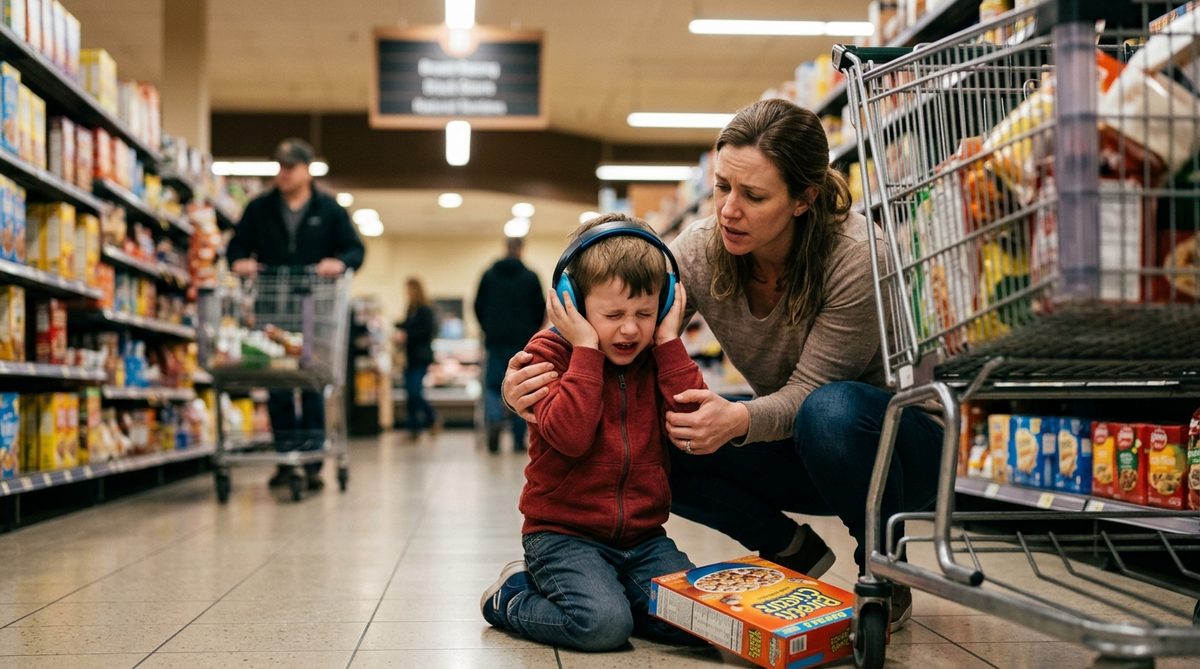
A person may cover their ears during common sounds, avoid clothing seams, seek firm pressure, smell objects, stare at moving light, or be slow to notice heat or pain. Sensory responses can change with tiredness, stress, illness, and the setting. A sound that's manageable in a quiet room may become painful in a crowded shop.
This criterion is sometimes treated like a side detail. In real life, sensory needs can shape eating, sleep, personal care, learning, travel, and access to public spaces. A useful assessment records both sensory avoidance and sensory seeking.
Does a person need all seven areas?
No. Under the DSM-5 structure, the person must meet all three social communication areas and at least two of the four restricted or repetitive behavior areas. So a person may meet five, six, or seven of the listed symptom areas.
The person must also meet the remaining diagnostic conditions:
- The features were present during the early developmental period, even if they became clear only when social demands increased.
- The features cause a real effect in social life, education, work, self-care, or another key area.
- The pattern is not better explained by intellectual disability or global developmental delay alone.
Autism and intellectual disability can occur together. In that case, social communication must be below what would be expected for the person's general developmental level.
The criteria also allow for traits that were clearer in childhood but are now masked by learned methods. This matters for people who practise conversations, copy peers, or build strict systems to handle daily demands.
Why can two autistic people look very different?
Each symptom area covers a wide range of experiences. One person may rarely speak, while another speaks with ease but misses indirect meaning. One may seek movement, while another avoids it.
Both can meet the same broad criteria through different signs.
Support needs can also change by task and setting. A person may handle a quiet routine well but need help during travel, group work, or sudden change. Skills seen in one place don't always carry over to another.
Age changes how signs appear. Repeated play in early childhood may turn into a deep technical interest later. Distress over a changed school routine may become detailed planning in adult life.
The hidden need may stay much the same, even when the visible behavior changes.
Gender, culture, language, and opportunity affect what other people notice. Those who copy social habits may look comfortable while using huge effort. The cost may show later as exhaustion, withdrawal, or loss of function after social demands.
How do clinicians apply the criteria fairly?
An autism diagnosis should use more than one source. Clinicians usually combine developmental history, direct observation, interviews, reports from people who know the person, and standard assessment tools when suitable. They look at strengths as well as difficulties.
Good assessment uses examples, not vague labels. Saying a child has poor social skills gives little useful detail. Describing how the child joins play, responds to another person's ideas, uses gestures, and handles change gives evidence that can be checked against the DSM-5 criteria.
Context helps prevent common mistakes. Limited speech may come from language delay, hearing loss, anxiety, or another condition. Repeated actions may occur with obsessive-compulsive disorder.
Attention differences can affect conversation and routines. Clinicians decide whether autism best explains the full developmental pattern and whether other conditions are present too.
A combined example shows why this matters. Imagine a child who speaks well during lessons but rarely joins shared play, copies classmates' phrases, becomes distressed when plans change, and can't tolerate the lunchroom noise. A short talk in a calm clinic may show few differences.
Reports from school and home reveal how social understanding, routine, and sensory input mix across the day.
What do simple online lists get wrong?
First, they often treat the seven criteria as seven boxes that must all be checked. The real threshold is all three social communication areas plus at least two behavior areas.
Second, they count traits without looking at their history or effect. Liking order, avoiding eye contact, or having a deep hobby can happen without autism. Diagnosis depends on a lasting pattern that began during development and affects daily life.
Third, they focus on visible difficulty and miss the effort underneath. A person may produce expected eye contact, conversation, and polite replies through close monitoring. It can look smooth while taking intense focus.
Developmental history and recovery after social contact may show what observation alone misses.
Online tools can help a person sort their concerns, but they can't apply the full criteria or rule out other causes.
What information is useful before speaking with a professional?
Write down clear examples from different ages and settings. Focus on what happens before, during, and after each event. Note what support makes the task easier.
- Record examples of conversation, gesture, shared play, and relationships.
- Note repeated actions, routines, focused interests, and sensory responses.
- Describe the effect on learning, work, sleep, meals, self-care, or family life.
- Gather early school reports, health records, or comments from caregivers where available.
- List strengths and successful supports, such as written plans, quiet spaces, or extra processing time.
A clear record helps the clinician spot patterns that may not appear in one appointment. It also keeps the discussion tied to the person's real needs, not just a score.
What should you do with this information?
Use the seven areas as a map, not a self-scoring test. If a lasting pattern appears across the three social communication areas and at least two behavior areas, and it affects daily life, take written examples to a qualified health professional and ask for a full developmental assessment.
Diagnosis of autism involves assessing persistent differences in social communication and interaction alongside restricted or repetitive behaviours, interests, or activities, including their onset, impact, and whether another condition better explains them.
Common questions
How to know if someone is mildly autistic?
A person may have trouble with social cues, changes in routine, sounds, or strong interests. Only a qualified health professional can tell if these traits are autism.
What are the signs of mild autism in children?
Signs may include trouble making friends, taking words very literally, repeating actions, or becoming upset by change. Some children may also be very sensitive to sounds, lights, touch, or food textures.
What does it mean to have level 1 autism?
Level 1 autism means a person needs some support with social skills, planning, or handling change. They may manage many daily tasks but still face challenges at school, work, or home.
How to get tested for autism?
Start by talking with a doctor, school counselor, or child health nurse about the signs you notice. They may refer you to a specialist who will ask questions, observe behavior, and review the person's history.
Explore this topic: NDIS and disability guides. For tailored support, see NDIS personal training in Melbourne.
What not to do with an autistic child?
Read article →
Can an autistic child live normal life?
Read article →
Can level 1 autism live normal lives?
Read article →
How serious is level 1 autism?
Read article →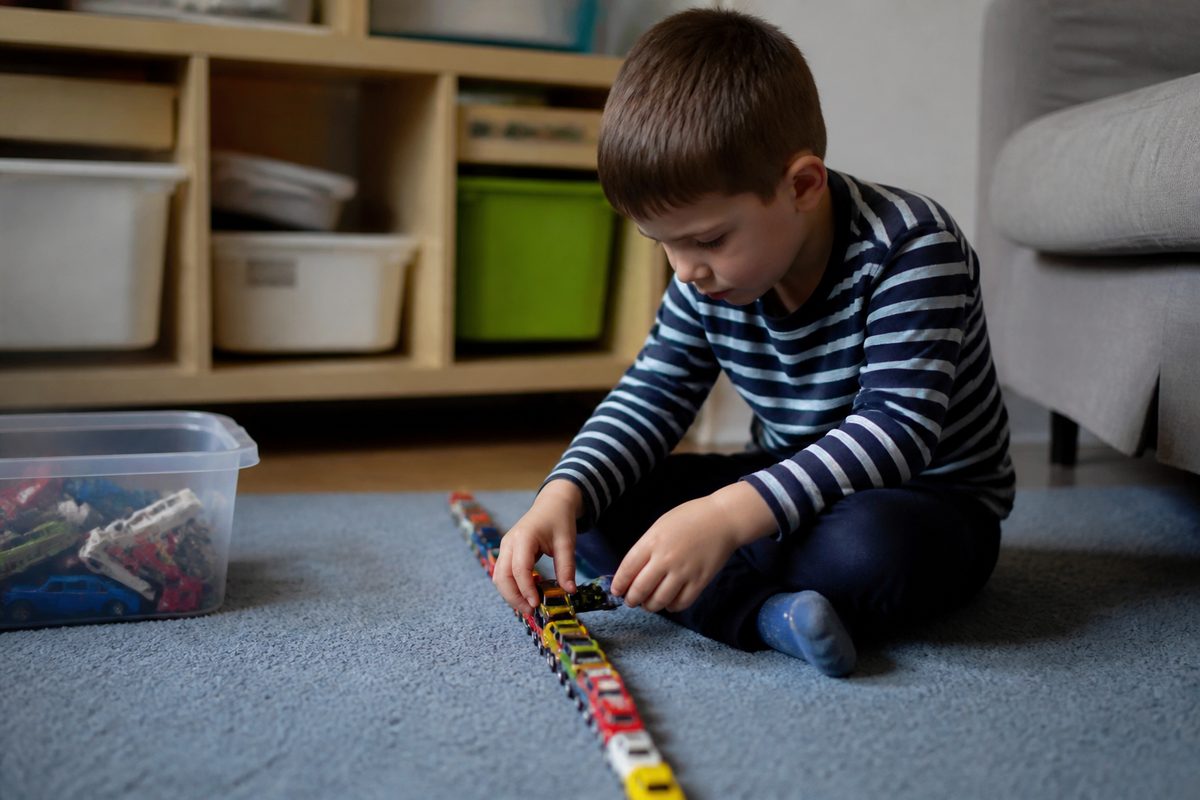
What are the signs of autistic behaviour?
Read article →
What Characteristics Does an Autistic Child Have? A Parent's Plain-English Guide in Melbourne
Read article →Explore more Better Start guides
Use these topic hubs to keep reading related articles by condition, support need, or funding question.
NDIS & disability
Access, funding, planning, disability support, and eligibility guides.
Open hub →Lupus
Symptoms, diagnosis, flares, disability support, and daily life.
Open hub →Autoimmune disease
Symptoms, coping strategies, long-term health, and support options.
Open hub →Rheumatoid arthritis
Flares, treatments, daily living, disability support, and NDIS questions.
Open hub →Kidney disease
Kidney symptoms, kidney failure, dialysis, and support questions.
Open hub →Speech therapy
Therapy funding, stuttering, cleft palate, dyslexia, and communication support.
Open hub →