What are the 7 signs of autism?

The seven signs of autism often include differences in social response, nonverbal cues, relationships, communication, repeated behaviour, routines or focused interests, and sensory processing. These signs can look very different from person to person. One person may show several signs clearly, while another hides them or shows them in less expected ways.
Autism is a neurodevelopmental disorder, which means it affects how the brain grows and handles social information, change, language, movement, and sensory input. It is also called autism spectrum disorder because there is no single autistic profile. The word spectrum covers the wide range of traits and support needs. It is not a line from slightly autistic to very autistic.
A list may help you spot a pattern, but it cannot confirm autism. Diagnosis needs a full look at development and daily life. The key question is whether several traits have been present over time and affect comfort, learning, relationships, independence, or access to daily activities.
What does each of the seven signs look like in daily life?
The examples below are useful clues, not firm rules. Look for patterns over time. One event, habit, or awkward chat does not tell you enough.
1. Does social interaction feel one-sided or hard to manage?
An autistic person may find the back-and-forth flow of social contact hard to read or keep going. A young child may rarely bring objects over to share their joy. They might respond to requests but seldom start an interaction.
An adult may talk at length about a subject, then miss signs that the other person wants to reply.
This does not mean the person lacks care or interest. They may want friends but struggle to know when to join a chat, how much detail to share, or what response is expected. Some people plan scripts before phone calls or copy phrases that worked in past talks.
It is easy to judge social ability by eye contact or friendliness alone. But an autistic person can be warm, funny, and keen to connect. A better clue is how much effort it takes to manage social contact and recover from it.
2. Are nonverbal signals hard to use or understand?
Nonverbal communication includes facial expressions, gestures, eye gaze, posture, and tone of voice. An autistic person may use fewer gestures, hold an expression that others read the wrong way, or find it hard to match their face with their words. They may take a joking tone seriously or miss that someone is upset unless the person says so plainly.
Some children do not follow another person's point towards an object. Others point to ask for an item but point less often to share interest. An adult may look away so they can listen better, though other people may assume they are not paying attention.
Forced eye contact can make listening tougher. A better question is whether the person understands and shares meaning through the signals they can use. Speech, gestures, writing, pictures, or a communication device can all carry that meaning.
3. Is forming or adapting relationships difficult?
Autistic people may find the hidden rules of relationships confusing. A child might prefer planned play, play beside other children, or try to control a game so it stays predictable. A teenager may want close friends but struggle with teasing, changing loyalties, or the difference between a classmate and a trusted friend.
Adults may find work relationships easier when roles are clear, yet feel lost at casual events. They may share private details too soon, trust unsafe people, or pull away after repeated mix-ups. Some keep a few deep relationships and have little interest in a large social circle.
The sign is not simply wanting time alone. Plenty of non-autistic people enjoy solitude. The concern is a lasting gap between the relationships a person wants and their ability to read, build, or adjust those relationships without great strain.
4. Are there clear differences in speech or communication?
Communication differences may involve spoken language, understanding, timing, or how words are used. A child may speak later than expected, repeat lines from videos, refer to themselves by name, or use formal phrases. Another child may know many words but struggle to ask for help or explain what happened.
Some autistic people do not speak or use only a few spoken words. A lack of speech does not mean a lack of thought. They may communicate through signs, typing, pictures, body movement, or an augmentative and alternative communication system.
A speaking adult may take words literally, miss an implied request, or need more time to answer an open question. They may talk well about facts but struggle to name pain, hunger, or emotion. Stress can make speech harder to reach, even when the person usually speaks with ease.
5. Are movements, sounds, or actions repeated?
Repeated behaviour may include rocking, pacing, hand movements, tapping, spinning objects, repeating sounds, or saying the same phrase. A child might line up toys or watch a wheel spin. An adult might rub fabric, move their fingers, replay part of a song, or repeat a question after getting an answer.
These actions often have a purpose. Repetition can calm emotions, create steady sensory input, show joy, or help with focus. Trying to stop harmless movement can raise distress and take away a useful way to cope.
Safety and the effect on daily life matter. Repeated behaviour needs closer support if it causes injury, blocks key tasks, or shows that the person is overwhelmed. First, look for the need behind it, such as pain, noise, fear, or no clear way to communicate.
6. Is there a strong need for sameness or a very focused interest?
An autistic person may depend on routines, fixed plans, or familiar ways of doing tasks. Small changes can feel far bigger than they seem from the outside. A different cup, a late bus, or an unexpected substitute teacher may cause real distress because the plan that made the situation feel manageable has gone.
Focused interests may fill a large share of a person's thoughts and conversations. The subject might be trains, insects, dates, a game, a public figure, or a work topic. These interests can grow skill, joy, and connection.
They become a concern when the person cannot meet basic needs, shift focus when needed, or cope when access is cut off.
People often miss this sign when the interest looks typical. A deep interest in books, animals, beauty products, or a television series may draw less attention than an interest in road signs. Look at the strength, detail, and flexibility of the interest, not just the subject.
7. Are sensory experiences unusually strong or weak?
Sensory processing is how the brain receives and reacts to sound, light, touch, taste, smell, movement, and signals from inside the body. An autistic person may find a hand dryer painful, notice a faint smell that no one else detects, or avoid clothing seams. They may seek pressure, movement, bright images, or strong flavours.
Some people notice body signals late. They may not know they are thirsty, cold, in pain, or close to needing the toilet until the need is urgent. Others feel these signals with great force.
Sensory distress can look like defiance. Picture a child refusing to enter a shop while a loud refrigerator motor, bright lights, and packed aisles hit them all at once. Telling them to behave will not remove that sensory load.
A quieter visit, headphones, a clear shopping list, or a shorter trip may change the whole experience.
How can you tell whether these signs form an autism pattern?
Look at when the traits began, how often they appear, and what happens around them. Autism starts during development, though signs may become easier to see as social demands grow. An adult may first spot the pattern after their child is assessed or after work and family demands wear out old ways of coping.
The traits should form a wider pattern across social communication and restricted, repeated, or sensory behaviour. A person does not need every example in this article. Nor do they need to show each trait in every setting.
Context can hide a sign. A child may cope in a quiet classroom but fall apart after school. An adult may seem socially skilled in a planned meeting, then need hours to recover.
This gap can happen when the person studies social rules, copies others, holds back movement, or practises replies. The result may look smooth from the outside, while the effort stays intense.
Ask what the person has to do to cope. Frequent scripts, strict planning, avoidance, shutdowns, or long recovery times can reveal needs that a quick glance will miss.
Why are some autistic people missed?
Many people still expect autism to look like a young boy who avoids eye contact and speaks very little. That narrow picture misses people with fluent speech, strong grades, active imaginations, or a clear wish for friendship.
Girls and women may copy their peers, keep repeated movements private, or build focused interests around topics that society accepts. Adults may shape jobs and routines around their traits. These skills can delay recognition, but they do not erase sensory strain or the work needed to manage change and social demands.
Culture also shapes how people use eye contact, gestures, play, and politeness. An assessor should compare behaviour with the person's development and cultural setting, instead of treating one social style as the standard.
Autism can also occur with attention deficit hyperactivity disorder, anxiety, intellectual disability, epilepsy, sleep problems, or language disorders. Shared features can blur the picture. A careful assessment looks at the whole person instead of pushing every concern under one label.
What should you record before seeking an assessment?
Write down clear examples while they are fresh. Swap broad labels such as difficult or shy for a note about what actually happened. Record the setting, trigger, behaviour, length, recovery time, and what helped.
Useful records may include:
- Developmental milestones, including early gesture, play, language, and response to name
- Examples of missed social cues or confusion during conversation
- Changes that cause distress and how long recovery takes
- Sensory triggers, sensory-seeking actions, and useful adjustments
- Repeated movements, phrases, routines, or focused interests
- Differences between public behaviour and behaviour in a safe setting
- Reports from school, childcare, or earlier health visits
Do not gather examples to prove a set answer. Gather them to show the person's real needs. A short record of clear events gives a clinician more value than a long trait list copied from an online quiz.
What happens during an autism assessment?
An assessment usually looks at development, current behaviour, communication, sensory needs, health history, and daily life. It may involve interviews, observation, questionnaires, and reports from people who know the person well. For an adult, old school reports or input from a parent can help, but assessment may still be possible without childhood records. A professional assessment can clarify the full pattern of traits.
Clinicians also look at other reasons for the signs. Hearing differences can affect how someone responds to speech. A language disorder can change conversation.
Anxiety can reduce eye contact or make change hard. These issues can exist alongside autism, so the aim is to explain the full pattern instead of choosing the first possible label.
A diagnosis should bring useful understanding. It can help a person ask for changes, choose suitable therapy, explain their needs, and replace blame with practical support. Support should focus on the person's goals.
It should not try to remove harmless autistic traits just to make someone look less autistic.
What can you do while waiting for professional advice?
You can support the need before a diagnosis is confirmed. Use clear words. Give more time to process information.
Warn the person before a change. Offer written or visual steps for tasks. Cut avoidable sensory strain and allow safe movement.
Watch whether a change helps. If a child handles toothbrushing better with unflavoured toothpaste and a softer brush, that result gives useful information. If an adult manages meetings better with an agenda and written follow-up, keep those supports in place.
Seek prompt medical help if there is a loss of skills, a sudden change in behaviour, self-injury, severe food restriction, or a safety risk. These concerns need attention even when autism is suspected.
What is the most useful next step?
Pick one week and record clear examples linked to the seven signs, including what happened before each event and what helped afterwards. Take the record to a GP, paediatrician, psychologist, or another qualified clinician. Ask whether a full developmental assessment is the right next step.
Your actionable takeaway: document the pattern, support the person's needs now, and book professional advice instead of waiting for every sign to become obvious.
Common questions
What are some common stimming behaviors in people with autism?
Common stimming behaviors include hand flapping, rocking, pacing, humming, or repeating words. These actions may help a person feel calm, manage strong feelings, or enjoy sensory input.
What is high-functioning autism?
high-functioning autism is an older, informal term often used for autistic people who need less daily support. It can hide real struggles, so many people prefer terms that describe each person's support needs.
What is the average life expectancy for someone with Level 1 autism?
There is no reliable average life expectancy just for people with Level 1 autism. Many live a typical lifespan, but health, safety, care, and other conditions can affect each person differently.
What are the common symptoms of autism level 1 in adults?
Adults with Level 1 autism may find social cues, small talk, change, or noisy places hard to manage. They may also have strong interests, repeat certain actions, prefer routines, or need time alone after social events.
Explore this topic: NDIS and disability guides. For tailored support, see NDIS personal training in Melbourne.

What not to do with an autistic child?
Read article →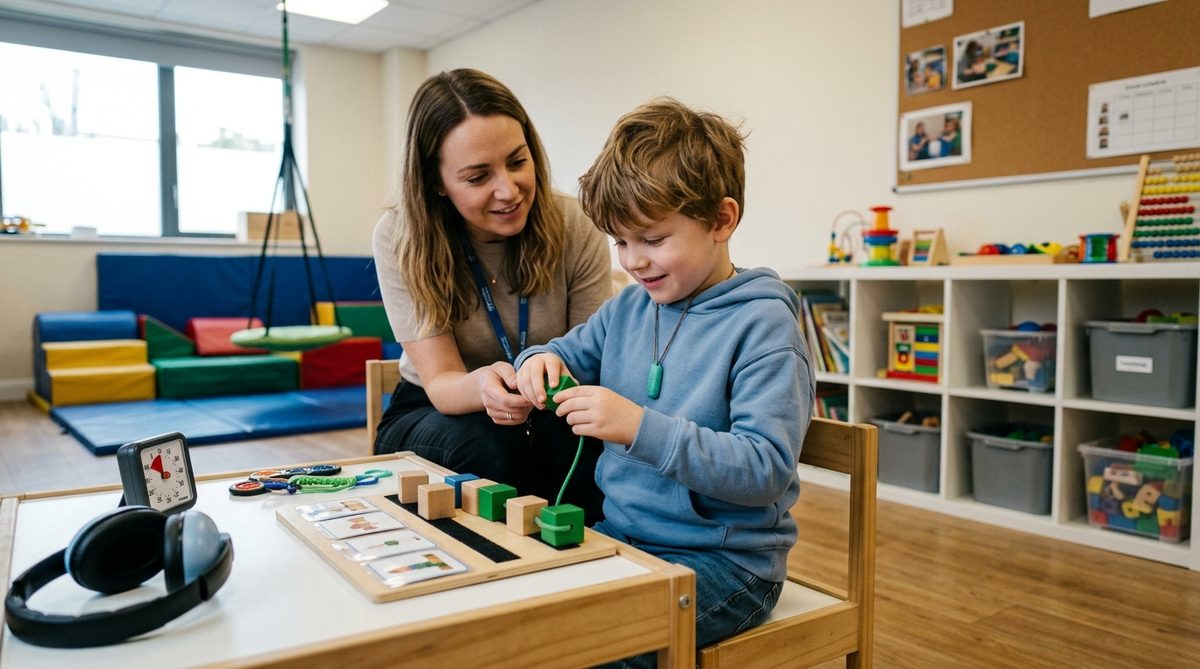
Can an autistic child live normal life?
Read article →
Can level 1 autism live normal lives?
Read article →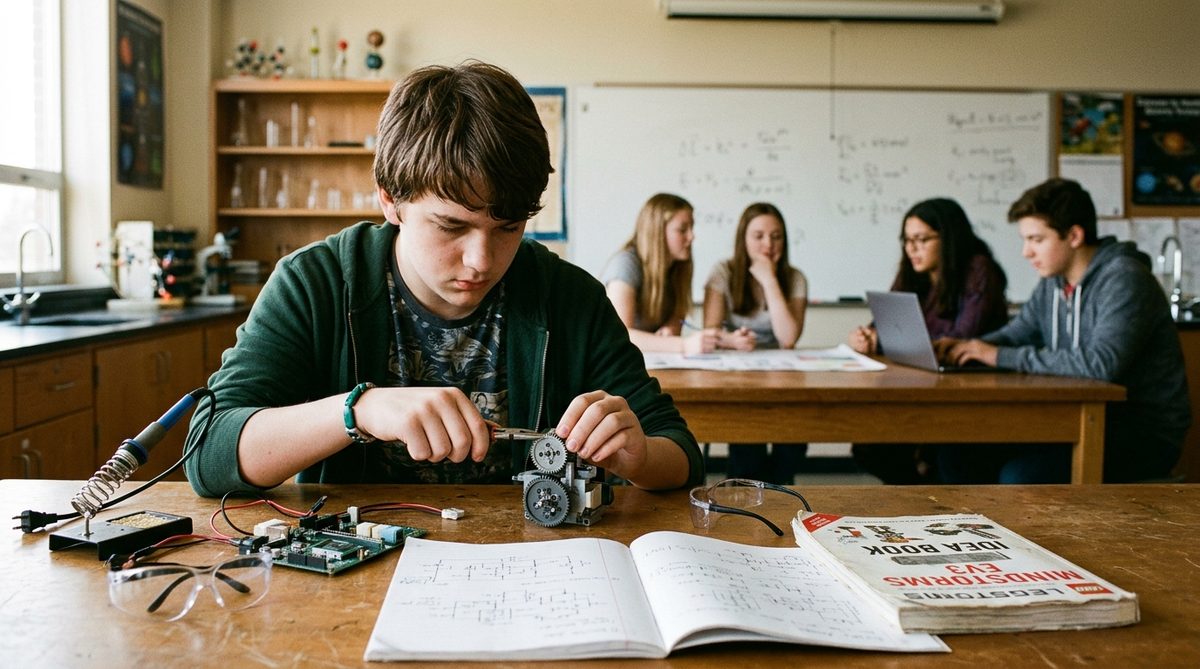
How serious is level 1 autism?
Read article →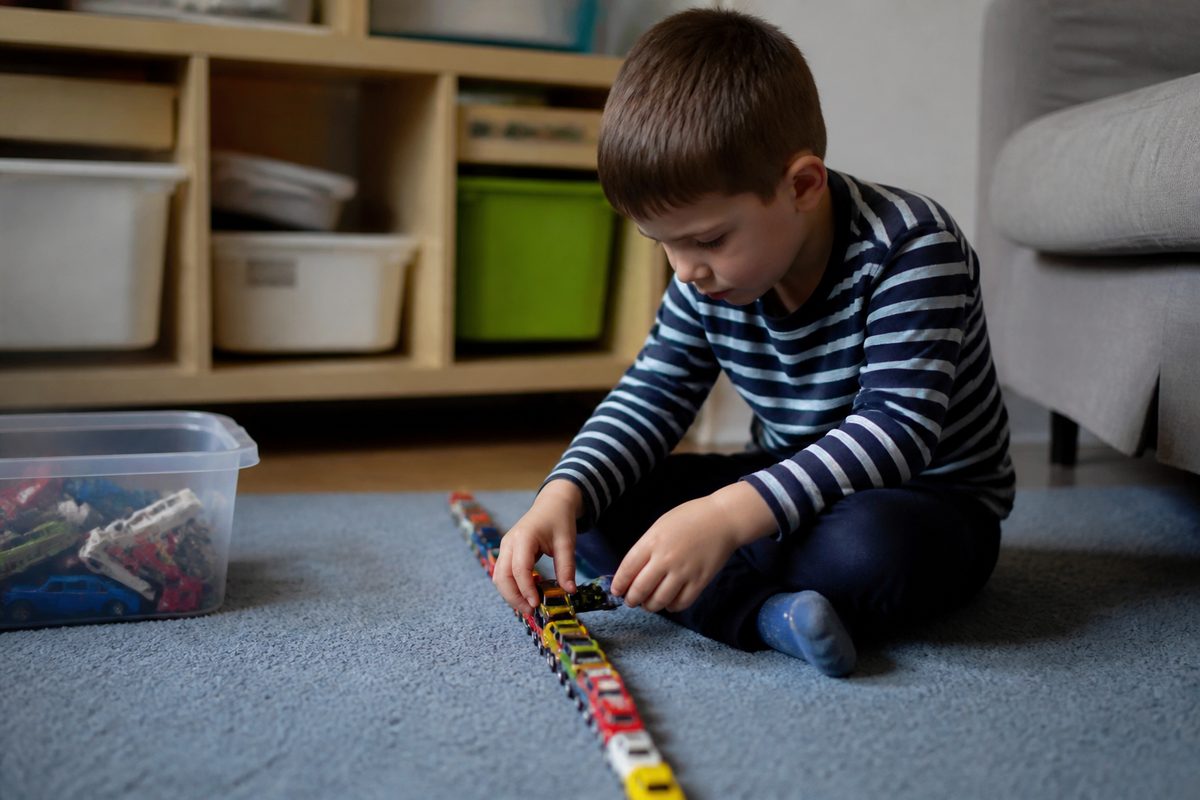
What are the signs of autistic behaviour?
Read article →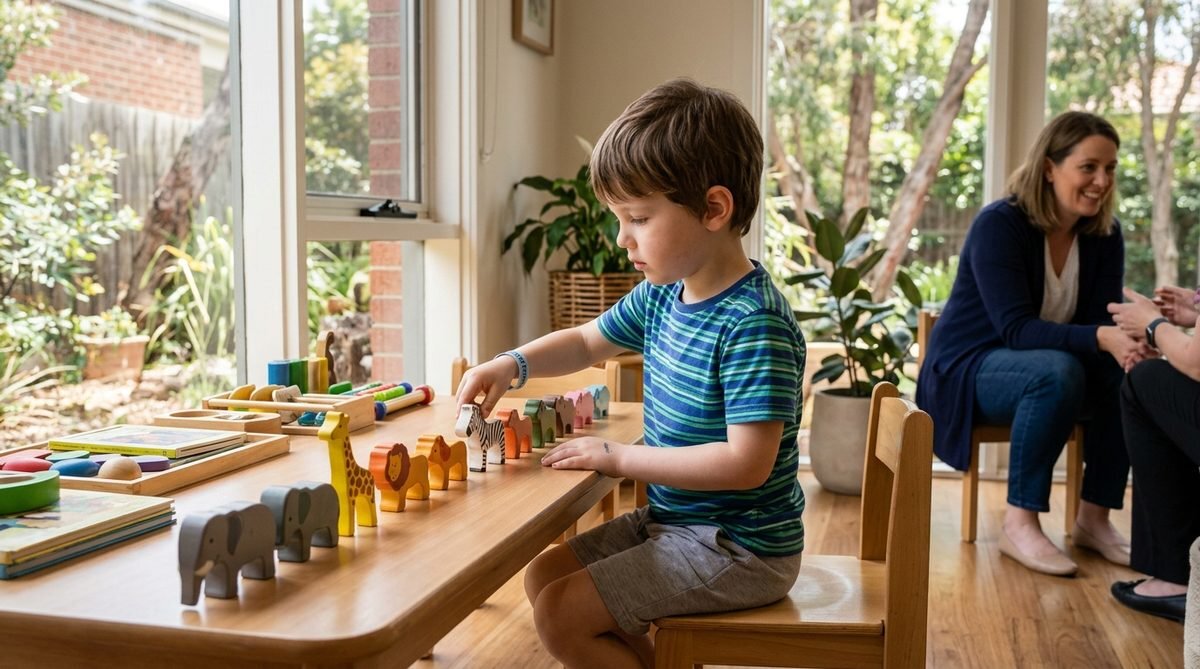
What Characteristics Does an Autistic Child Have? A Parent's Plain-English Guide in Melbourne
Read article →Explore more Better Start guides
Use these topic hubs to keep reading related articles by condition, support need, or funding question.
NDIS & disability
Access, funding, planning, disability support, and eligibility guides.
Open hub →Lupus
Symptoms, diagnosis, flares, disability support, and daily life.
Open hub →Autoimmune disease
Symptoms, coping strategies, long-term health, and support options.
Open hub →Rheumatoid arthritis
Flares, treatments, daily living, disability support, and NDIS questions.
Open hub →Kidney disease
Kidney symptoms, kidney failure, dialysis, and support questions.
Open hub →Speech therapy
Therapy funding, stuttering, cleft palate, dyslexia, and communication support.
Open hub →