What Are the Biggest Symptoms of Lupus? A Clear Guide to Early Signs
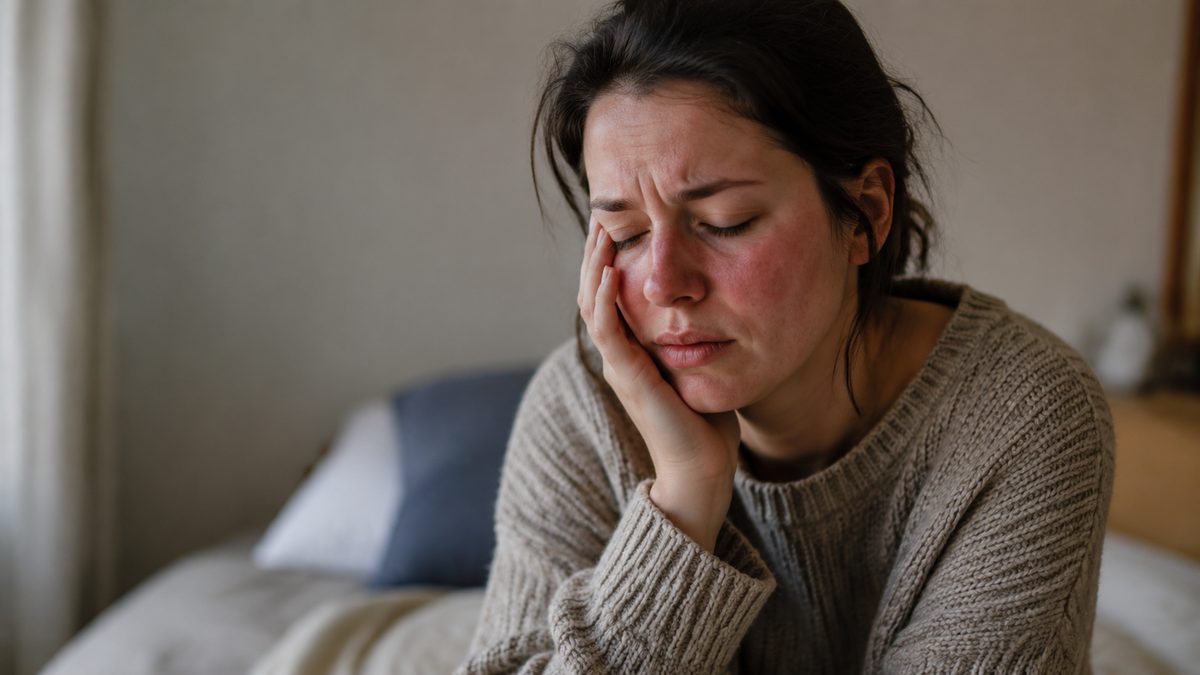
Lupus symptoms cluster into three main groups: joint pain and swelling (60 to 68% of patients), skin changes like the butterfly rash and hair loss (49 to 71%), and whole-body symptoms like fever and crushing fatigue (23 to 71%) [2][5]. Kidney involvement shows up in nearly half of all patients at diagnosis. It's one of the most serious early signs [5]. What matters most is when problems hit multiple body systems at once, especially in women under 40.
In practice, the biggest symptoms are joint pain that doesn't respond to normal pain relief, a rash across the cheeks, fevers with no clear cause, and fatigue that stops you functioning. When those appear together, that combination should trigger blood tests and a referral to a rheumatologist fast. Early treatment prevents permanent organ damage.
What are the most common early signs of lupus?
The earliest signs are often vague. That's exactly why lupus takes so long to diagnose. Fever, tiredness, and joint aches look like dozens of other conditions. In a hospital-based study of 85 lupus patients in Bangladesh, fever appeared in 71% of cases, joint pain in 60%, and hair loss in 28% at initial presentation [2]. General malaise and fatigue showed up in 23.5% of that same group.
No single early symptom points clearly to lupus. It's the combination that matters. A young woman with recurring low-grade fever, joint pain in her hands and wrists, and a rash that flares after sun exposure is showing a pattern that warrants investigation. Each symptom on its own might seem minor.
The early signs to watch for include:
- Joint pain and stiffness, especially in small joints on both sides of the body
- Unexplained fever that keeps returning
- Fatigue that is out of proportion to activity level
- A rash across the cheeks and nose
- Hair thinning or loss
- Mouth sores that appear without an obvious cause
- Skin that reacts badly to sunlight
Lupus affects women far more than men. The ratio is roughly 5.6 women for every 1 man, and the average age at diagnosis is around 28.5 years [2][5]. If you're a woman in your 20s or 30s with several of these symptoms at once, that demographic context matters when talking to your doctor.
Does lupus cause joint pain and swelling?
Yes. It's the single most common symptom across multiple large studies. In a study of 1,070 Filipino lupus patients, joint swelling was the most frequent finding at 68% [5]. The Bangladesh study put joint pain at 60% of initial presentations [2].
Lupus joint pain has a specific character. It typically affects multiple small joints symmetrically. Both wrists, both knuckles, or both ankles at the same time. Morning stiffness is common. The pain can move around, easing in one joint and flaring in another over days or weeks.
Most articles get the comparison to rheumatoid arthritis wrong. The joint involvement in lupus looks similar to early rheumatoid arthritis, which is part of why misdiagnosis happens. But here's the key difference: lupus joint disease rarely causes the same degree of joint destruction that rheumatoid arthritis does. The pain and swelling are real and significant. The underlying mechanism is inflammation driven by immune complex deposition rather than direct joint erosion.
If joint pain is your main symptom and it's not responding to over-the-counter anti-inflammatories, ask your doctor about an ANA (antinuclear antibody) blood test. Especially if you have any skin or systemic symptoms alongside it.
What does a lupus rash look like?
The most recognised lupus rash is the malar rash, sometimes called the butterfly rash. It spreads across both cheeks and the bridge of the nose in a shape that resembles butterfly wings. It's flat or slightly raised, red or pink, and it spares the nasolabial folds (the creases running from your nose to the corners of your mouth). That last detail is clinically useful because rosacea, which looks similar, doesn't spare those folds.
In the Filipino patient study, the butterfly rash appeared in 49% of patients [5]. The Bangladesh study found it in 21% at initial presentation, with photosensitivity (skin reacting badly to sun) in 15% [2]. Skin changes are often the first visible sign. They can help clinch a diagnosis before other organ involvement becomes clear [4].
Beyond the butterfly rash, lupus causes other skin problems. Discoid lupus produces thick, scaly patches that can scar. Photosensitive rashes flare after sun exposure and can appear on the arms, chest, and back. Mouth and nose ulcers, which are painless in many cases, appear in around 20% of patients early on [2].
The butterfly rash is often dismissed early as sunburn, rosacea, or eczema. If a facial rash keeps returning, worsens in sunlight, and comes with joint pain or fatigue, it deserves a proper workup. Not just a topical cream and a wait-and-see approach.
Can lupus affect the kidneys?
Yes. Kidney involvement is one of the most serious aspects of the disease. In the Filipino patient cohort, 47% had kidney problems at or before diagnosis [5]. Around 30% of those patients presented with nephrotic syndrome, which means significant protein leaking into the urine along with swelling, particularly in the legs and around the eyes [5].
Lupus nephritis, as kidney involvement is called, is often silent in its early stages. There's no pain in the kidneys themselves. The signs are indirect: foamy urine (from protein), swelling in the ankles and legs, high blood pressure, and fatigue. Many patients don't know their kidneys are affected until a urine test shows protein or blood.
This is why lupus nephritis matters so much from a diagnostic standpoint. A patient might present to a nephrologist with unexplained kidney disease before anyone has considered lupus. The Oman study of 966 patients found that kidney and skin problems were among the most common presenting features [1]. Catching kidney involvement early and treating it aggressively changes long-term outcomes significantly.
Anyone diagnosed with lupus should have regular urine tests to check for protein and blood, even when they feel well. Kidney damage can progress quietly.
How does lupus fatigue differ from normal tiredness?
Lupus fatigue isn't tiredness from a long day. It's a heavy, persistent exhaustion that doesn't improve with sleep. It interferes with basic daily tasks. Patients describe it as feeling like they're moving through concrete, or waking up already depleted before the day starts.
What separates lupus fatigue from ordinary tiredness is its disproportionate nature. A short walk or a normal conversation can trigger it. Rest doesn't reliably fix it. It often comes in waves, worsening during flares and easing slightly during remission, but rarely disappearing entirely.
The mechanism involves several overlapping factors. Active inflammation drives cytokine release, which directly causes fatigue at a biological level. Anaemia, which is common in lupus due to the immune system attacking red blood cells, compounds it. Poor sleep from pain and anxiety adds another layer. Some patients also develop fibromyalgia alongside lupus, which amplifies pain and fatigue further.
Fatigue is consistently underreported in clinical studies because it's hard to measure. Yet patients rank it as one of the most disabling symptoms they deal with day to day. It's not a minor complaint. It's a central feature of the disease that affects work, relationships, and quality of life.
Can lupus cause hair loss?
Yes. Hair loss appeared in 28% of patients at initial presentation in the Bangladesh study [2]. It tends to come in two forms. The first is diffuse thinning across the scalp, similar to what happens with other inflammatory conditions or nutritional deficiencies. The second is more specific to lupus: a pattern of short, broken hairs along the hairline called lupus hair, which results from inflammation affecting hair follicles.
Discoid lupus lesions on the scalp can cause scarring alopecia, which is permanent hair loss in the affected patches. This is less common than diffuse thinning but more serious because the damage is irreversible once scarring sets in.
Hair loss in lupus often tracks with disease activity. During a flare, shedding increases. During remission, regrowth is possible for non-scarring types. Medications used to treat lupus, particularly corticosteroids at high doses, can also contribute to hair thinning. That makes it harder to separate disease activity from treatment effects.
What other symptoms does lupus cause that most people miss?
Three symptoms get less attention than they deserve.
The first is Raynaud's phenomenon. Fingers or toes turn white, then blue, then red in response to cold or stress. It appeared in 13% of patients at initial presentation in the Bangladesh study [2]. Many people with Raynaud's never develop lupus. But when it appears alongside joint pain and a positive ANA test, it's a meaningful piece of the diagnostic picture.
The second is serositis, which is inflammation of the lining around the lungs (pleuritis) or heart (pericarditis). It causes sharp chest pain that worsens with breathing or lying flat. This symptom is often attributed to musculoskeletal causes or anxiety before lupus is considered. That delays diagnosis.
The third is neurological involvement. Lupus can affect the brain and nervous system, causing headaches, cognitive fog (sometimes called lupus fog), mood changes, and in serious cases, seizures or psychosis. Cognitive fog, the difficulty concentrating and remembering things, is reported by a large proportion of lupus patients but rarely makes it into early diagnostic conversations because it's so non-specific.
FAQ
How is lupus diagnosed?
No single test confirms lupus. Diagnosis uses a combination of clinical criteria including symptoms, physical examination, and blood tests. The ANA test is positive in over 95% of lupus patients, but it's not specific to lupus. Anti-dsDNA and anti-Smith antibodies are more specific. Complement levels (C3 and C4) are often low during active disease. A rheumatologist uses all of this together to make the diagnosis.
Can men get lupus?
Yes, though it's far less common. The female-to-male ratio is roughly 5.6 to 1 [2][5]. Men with lupus tend to have more severe kidney and blood involvement at diagnosis, possibly because the disease goes unrecognised longer due to lower clinical suspicion.
Does lupus go away on its own?
No. Lupus is a chronic condition. It follows a pattern of flares and remissions. Treatment can control symptoms and prevent organ damage, but there's no cure. Some patients achieve long periods of low disease activity, but ongoing monitoring is necessary.
What triggers a lupus flare?
Sun exposure is one of the most consistent triggers. Others include infections, physical or emotional stress, certain medications, and hormonal changes. Many patients learn their personal triggers over time and manage them as part of their daily routine.
Is lupus fatal?
With modern treatment, most people with lupus live a normal lifespan. The main risks come from severe organ involvement, particularly kidney disease and cardiovascular complications, and from infections related to immunosuppressive treatment. Early diagnosis and consistent treatment significantly reduce these risks.
What is the difference between lupus and rheumatoid arthritis?
Both cause joint pain and inflammation, and both are autoimmune conditions. Lupus affects multiple organ systems including skin, kidneys, and the nervous system, while rheumatoid arthritis is primarily a joint disease. The antibody profiles differ, and lupus is more likely to cause the butterfly rash, kidney disease, and blood cell abnormalities.
The one thing to do if you recognise these symptoms
If you have joint pain in multiple small joints, a facial rash that worsens in sunlight, fatigue that sleep doesn't fix, and any combination of the other symptoms described here, ask your doctor for an ANA blood test and a referral to a rheumatologist. Don't wait for symptoms to get worse. The window between early symptoms and organ damage is the most important time to act. Catching lupus before the kidneys or other organs are significantly involved changes the long-term picture considerably.Sources
Explore this topic: lupus guides. For tailored support, see NDIS personal training in Melbourne.

Does Rheumatoid Arthritis Qualify for Disability in Australia?
Read article →
What Is the New Wonder Drug for Rheumatoid Arthritis? The Latest Treatments Explained
Read article →
What Benefits Am I Entitled to If I Have Rheumatoid Arthritis?
Read article →
Do You Qualify for NDIS If You Have Rheumatoid Arthritis?
Read article →
Is Renal Failure Covered by NDIS? What You Need to Know
Read article →
Is Lupus Covered Under NDIS? What You Need to Know
Read article →Explore more Better Start guides
Use these topic hubs to keep reading related articles by condition, support need, or funding question.
NDIS & disability
Access, funding, planning, disability support, and eligibility guides.
Open hub →Lupus
Symptoms, diagnosis, flares, disability support, and daily life.
Open hub →Autoimmune disease
Symptoms, coping strategies, long-term health, and support options.
Open hub →Rheumatoid arthritis
Flares, treatments, daily living, disability support, and NDIS questions.
Open hub →Kidney disease
Kidney symptoms, kidney failure, dialysis, and support questions.
Open hub →Speech therapy
Therapy funding, stuttering, cleft palate, dyslexia, and communication support.
Open hub →