What Are the First Warning Signs of Lupus? Early Symptoms to Know
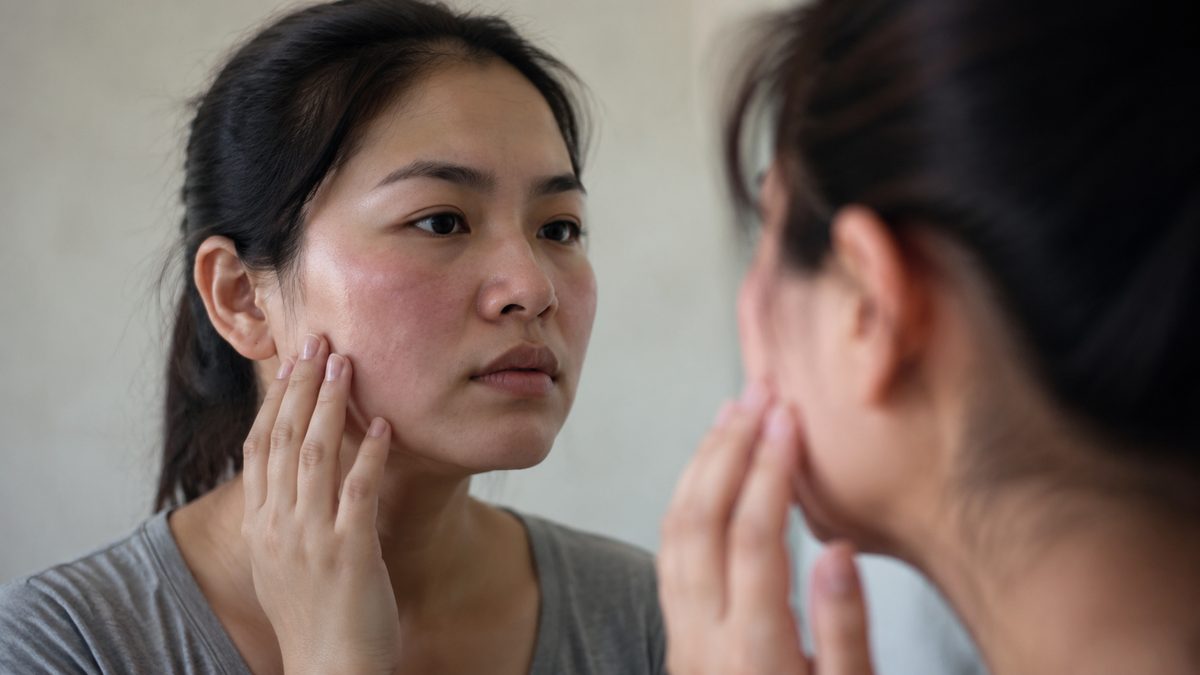
The first warning signs of lupus are fatigue that doesn't improve with rest, joint pain across multiple joints, a butterfly-shaped rash on the cheeks and nose, hair loss, mouth sores, and fingers that turn white or blue in the cold (Raynaud's phenomenon). If you notice two or more of these together, especially alongside foamy urine or swelling in your legs, get tested for lupus antibodies now.
Kidney involvement shows up in roughly 80% of lupus nephritis cases within the first 15 months of diagnosis, and catching it before serious damage sets in changes everything.
Lupus is an autoimmune disease. Your immune system attacks your own tissues, causing inflammation across your skin, joints, kidneys, heart, and nervous system. early signs are easy to dismiss because they look like stress, a virus, or just being run down. That's exactly why so many people go undiagnosed for years.
What Does Lupus Feel Like in the Beginning?
In the beginning, lupus rarely announces itself clearly. Most people describe a slow build of symptoms that come and go, which makes it hard to take seriously.
One of my clients described it this way: she felt exhausted all the time, her wrists and knuckles ached every morning, and she kept getting mouth ulcers she assumed were from stress. She had been living with these symptoms for almost two years before a rash across her cheeks pushed her doctor to run an antinuclear antibody (ANA) test. She was 29. Lupus had been there the whole time.
That pattern is common. Early lupus often feels like:
- Bone-deep fatigue that sleep doesn't fix
- Joint pain and stiffness, especially in the morning, affecting hands, wrists, and knees
- Low-grade fever that comes and goes with no obvious cause
- A general feeling of being unwell that's hard to explain
Research supports the idea that lupus moves through a preclinical phase before full diagnostic criteria are met. The immune system is already active and causing low-level damage before the classic signs appear. That window matters because acting on it earlier reduces organ damage.
The Butterfly Rash: Where Lupus Usually Starts on the Skin
The malar rash, or butterfly rash, is the most recognized skin sign of lupus. It spreads across both cheeks and the bridge of the nose in a shape that resembles wings. It's flat or slightly raised, red or pink, and often gets worse after sun exposure.
What most articles miss is that the butterfly rash isn't always there at the start. Some people develop it later. Others never get it at all. Lupus can also appear first as a bullous rash, with fluid-filled blisters that look nothing like the classic picture.
When unusual skin changes appear alongside joint pain or fatigue, lupus should be on the list regardless of what the rash looks like.
Sun sensitivity is a strong early clue. If time in the sun makes a skin rash worse, or if sun exposure triggers a flare of fatigue and joint pain, that reaction pattern should push you toward lupus testing.
What Does Undiagnosed Lupus Look Like?
Undiagnosed lupus looks like a string of problems that seem unrelated. A person might see a dermatologist for a stubborn rash, a rheumatologist for joint pain, and a GP for unexplained fatigue, and no single doctor connects the dots.
I remember when one of my clients was referred to me for exercise support during what his doctors thought was chronic fatigue syndrome. He had been through three years of tests. When I asked about his symptoms in detail, he mentioned his urine had been foamy for months and his ankles swelled by the end of the day. Those two things together sent alarm bells off.
He went back to his doctor with that information and was finally tested for lupus antibodies and kidney markers. He had lupus nephritis that had been progressing without a diagnosis for at least 18 months.
Common signs of undiagnosed lupus include:
- Recurring mouth ulcers with no clear cause
- Hair thinning or patchy hair loss
- Swollen lymph nodes
- Pleurisy, a sharp chest pain when breathing deeply
- Brain fog or memory problems that seem out of proportion to stress levels
- Raynaud's phenomenon, fingers or toes turning white or blue in cold temperatures
None of these on their own mean lupus. Two or more together, especially with fatigue and joint pain, warrant a blood test.
The Kidney Warning Signs Most People Miss
Kidney involvement is the complication that changes lupus severity most dramatically. In a large international study of 1,827 newly diagnosed lupus patients followed over 4.6 years, 38.3% developed lupus nephritis. Of those cases, 80.9% were already present at or near the time of diagnosis, meaning kidney damage was happening before or right as the disease was being identified.
Patients with kidney involvement had nearly three times the risk of death compared to those without it. The 10-year risk of progressing to end-stage renal disease among those with nephritis was 10.1%.
The kidney warning signs to watch for:
- Foamy or frothy urine. This can show protein spilling into urine, a sign of kidney stress.
- Blood in urine. Even microscopic amounts found on a urine dipstick matter.
- Swelling in the legs, ankles, or around the eyes. Especially in the morning.
- New high blood pressure. Kidneys regulate blood pressure; when they're inflamed, it rises.
These signs should trigger immediate lupus antibody testing and a kidney function panel. Don't wait to see if they resolve on their own.
At What Age Does Lupus Usually Start?
begins between ages 15 and 44. Women in this age range are diagnosed at roughly nine times the rate of men. This is why lupus symptoms in young women are sometimes dismissed as hormonal, anxiety-related, or stress-driven, which delays diagnosis by months or years.
Lupus can start in childhood, which is called pediatric lupus, and it can also develop after age 50. Late-onset lupus tends to progress more slowly but is still serious. In my experience working with people diagnosed later in life, the delay in connecting symptoms to an autoimmune cause is even longer because clinicians are less likely to consider lupus in an older patient.
Age doesn't rule lupus in or out. Symptoms do.
The One Thing Most Articles Get Wrong About Early Lupus
Most articles treat lupus symptoms as a checklist. They list fatigue, rash, joint pain, and tell you to see a doctor if you have them. That framing misses two things.
First, the pattern matters more than any individual symptom. Fatigue alone means very little. Fatigue plus joint pain in multiple joints plus a rash that worsens in sunlight is a specific cluster that should trigger a lupus workup, even if each symptom is mild.
Second, absence of the butterfly rash doesn't mean absence of lupus. The ANA test is the starting point. Around 95% of people with lupus test positive for antinuclear antibodies, but a positive ANA alone doesn't confirm lupus. It confirms the immune system is making antibodies against the body's own cells.
From there, more specific tests like anti-dsDNA and anti-Smith antibodies help confirm the diagnosis. A negative ANA in someone with strong clinical symptoms should still be followed up, because lupus research shows the disease can exist in prodromal phases before full antibody markers appear.
Physical Activity and Lupus: What Changes Early
One angle rarely discussed in lupus awareness content is how early lupus affects the ability to exercise and stay active. This matters because reduced activity accelerates cardiovascular and musculoskeletal decline, both of which lupus already targets.
When I work with clients who have lupus or are being investigated for autoimmune conditions, the first thing I notice is that standard exercise advice doesn't translate. A session intensity that would energize a healthy person can trigger a multi-day flare for someone with active inflammation. This is called post-exertional malaise, and it's a real physiological response, not deconditioning.
In my experience, low-intensity, consistent movement works best. Specifically: resistance work at controlled effort levels, water-based exercise, and short walking sessions. This supports joint health and energy without triggering flares. The goal is building tolerance gradually, not pushing through symptoms.
Proactive, structured physical support has a genuine role in managing lupus alongside medical treatment. If you've been diagnosed or are awaiting a diagnosis, finding trainer with chronic illness experience changes the outcome significantly.
Frequently Asked Questions
Can lupus go away on its own?
No. Lupus is a chronic autoimmune disease. Symptoms can go into remission, sometimes for long periods, but the underlying immune dysfunction remains. Treatment manages the disease and prevents organ damage. Stopping treatment because symptoms improve often leads to a flare.
What is the first test a doctor should run if lupus is suspected?
An antinuclear antibody (ANA) test is the standard first step. If it comes back positive, follow-up testing includes anti-dsDNA, anti-Smith, complement levels (C3, C4), and a complete blood count. A urine test for protein and blood should always be included to check for kidney involvement early.
Can you have lupus without the butterfly rash?
Yes. The butterfly rash is present in roughly 50% of lupus cases. Many people are diagnosed without ever developing it. Other skin signs like discoid lesions, photosensitivity, or bullous rashes can appear instead, and some people have no skin involvement at all.
Is lupus genetic?
There is a genetic component. If a first-degree relative has lupus, your risk is higher. But genetics alone doesn't cause lupus. Environmental triggers like UV exposure, certain infections, hormonal changes, and stress appear to activate the disease in people with a genetic predisposition.
What happens if lupus goes undiagnosed?
Undiagnosed lupus allows inflammation to damage organs without treatment. Kidney damage is the most serious consequence given how early and how commonly it appears. Uncontrolled lupus also increases the risk of cardiovascular disease, nerve damage, and severe infection. The longer it goes unmanaged, the more treatment is needed to reverse damage.
What to Do Right Now
If you have two or more of these symptoms: joint pain in multiple joints, unexplained fatigue, a rash that worsens in sun, mouth sores, hair loss, Raynaud's, or any kidney warning signs, take three specific steps.
- Book a GP appointment and ask specifically for an ANA blood test. Don't wait to see if symptoms pass. Bring a written list of all your symptoms and how long you've had them.
- Request a urine dipstick test at the same appointment. Ask your doctor to check for protein and blood in your urine to rule out early kidney involvement.
- Track your symptoms daily for two weeks before your appointment. Note what makes them better or worse, particularly sun exposure and physical exertion. This pattern data helps your doctor see what you can't show in a single consult.
Early diagnosis gives you options. Organ damage takes them away.Sources
Explore this topic: lupus guides.

What not to do with an autistic child?
Read article →
Can an autistic child live normal life?
Read article →
Can level 1 autism live normal lives?
Read article →
How serious is level 1 autism?
Read article →
What are the signs of autistic behaviour?
Read article →
What Characteristics Does an Autistic Child Have? A Parent's Plain-English Guide in Melbourne
Read article →Explore more Better Start guides
Use these topic hubs to keep reading related articles by condition, support need, or funding question.
NDIS & disability
Access, funding, planning, disability support, and eligibility guides.
Open hub →Lupus
Symptoms, diagnosis, flares, disability support, and daily life.
Open hub →Autoimmune disease
Symptoms, coping strategies, long-term health, and support options.
Open hub →Rheumatoid arthritis
Flares, treatments, daily living, disability support, and NDIS questions.
Open hub →Kidney disease
Kidney symptoms, kidney failure, dialysis, and support questions.
Open hub →Speech therapy
Therapy funding, stuttering, cleft palate, dyslexia, and communication support.
Open hub →