What are the signs of mild autism in children?
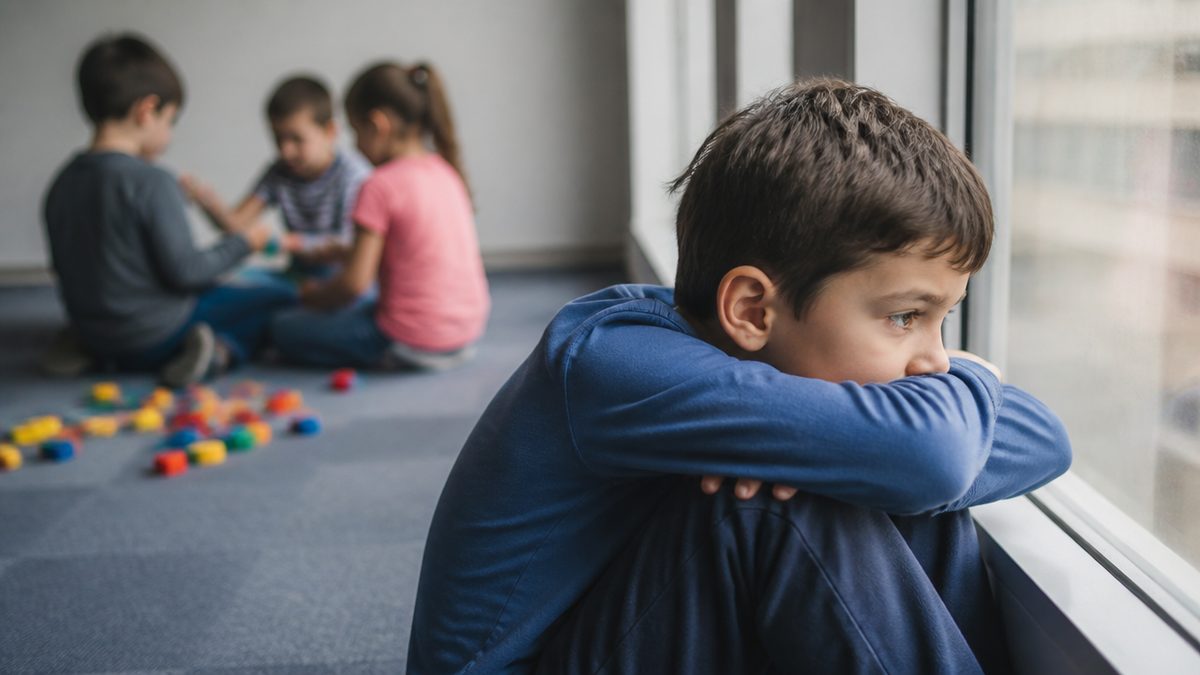
Signs of mild autism in children often include subtle trouble with social connection, flexible communication, change, sensory input, and unwritten rules. A child may speak well, learn at the expected level, and cope in familiar places. Yet daily life may take more effort than adults can see.
“Mild autism” is an informal term. Clinicians diagnose autism spectrum disorder and describe the support a child needs. Some people use “mild” for children who need less visible support, often linked with Level 1 autism. The label can be misleading. A child who looks settled at school may fall apart at home because they used all their energy coping.
No single habit confirms autism. Look for a steady pattern that affects daily life across time or settings. The clearest clues often appear when social demands rise, routines change, or the child becomes tired.
Why can mild autism be hard to notice?
Many children with subtle autistic traits have strong memory, clear speech, or deep knowledge of favourite subjects. These strengths can hide the areas where they need help. Adults may describe them as shy, serious, sensitive, stubborn, or mature for their age.
A child may also copy other children. They might learn when to smile, repeat common jokes, or follow one trusted friend. This is sometimes called masking. The child appears to manage, but the social work is rehearsed rather than natural.
One detail that often gets missed is the cost of coping. A child may follow every rule during class, then cry over a small request after school. That release does not mean the child behaved badly for a parent. It can mean they held in stress for hours.
Girls and quiet children are more likely to be overlooked when their interests seem common for their age. The difference may sit in the strength of the interest, the need to control the play, or the distress caused when access to it ends.
How might social differences appear in daily life?
A child with mild autistic traits may want friends but struggle with the hidden steps of friendship. They may know how to start a game yet miss signs that another child wants to change it. They might speak at length about one topic without noticing that the listener has lost interest.
Possible social signs include:
- preferring one close friend or younger children because the play feels easier to predict
- standing near a group without knowing how to join
- taking teasing, figures of speech, or sarcasm literally
- talking freely with family but becoming quiet in busy social settings
- seeming blunt because they state facts without judging how the words may feel
- copying a peer’s voice, gestures, interests, or phrases to fit in
Eye contact is only one small clue. Some autistic children make eye contact, especially with trusted people. Others look away so they can listen better. Forcing eye contact can make it harder for a child to process what is being said.
Watch the quality of the exchange instead. Does the child notice another person’s ideas? Can they repair a misunderstanding? Do they know when a conversation has ended? These details give more useful information than counting how often the child looks at someone.
What can communication differences sound like?
Strong vocabulary does not rule out autism. The main issue may be how a child uses Language in a social setting rather than how many words they know.
A child may sound formal, repeat lines from videos, or give more detail than the situation needs. They may answer a factual question with ease but struggle to explain a feeling, describe a confusing event, or ask for help. Some children interpret instructions in a strict way. If a teacher says, “Put your books away,” the child may leave a pencil on the desk because it was not named.
Other signs can include an unusual rhythm or volume of speech, repeated questions, and a need for exact answers. A child may become upset when an adult changes a word in a familiar song or tells a story in a different order.
Conversation can also become one-sided. The child might talk with great skill about trains, animals, game characters, or another strong interest. The difficulty appears when the other person changes the subject or adds an idea that does not fit the child’s plan.
How do routines and focused interests affect the child?
Many children enjoy routine. An autistic pattern is more likely when predictability helps the child feel safe and a small change causes distress that seems out of scale with the event.
A child might need the same cup, route, bedtime order, or seat. They may ask exactly what will happen before a visit. A relief teacher, cancelled activity, or different food brand can trigger tears, anger, withdrawal, or repeated questioning.
Focused interests may be rich and useful. They can build skill, confidence, and connection. The concern is not the topic itself. Notice whether the child can pause, shift attention, let another person shape the activity, and cope when the interest is unavailable.
Repetitive movement may also be subtle. A child might rub their fingers, chew clothing, pace, rock in a chair, arrange objects, or repeat a quiet sound. These actions can help the nervous system settle. Stopping them without offering another way to regulate can raise distress.
What do sensory differences look like?
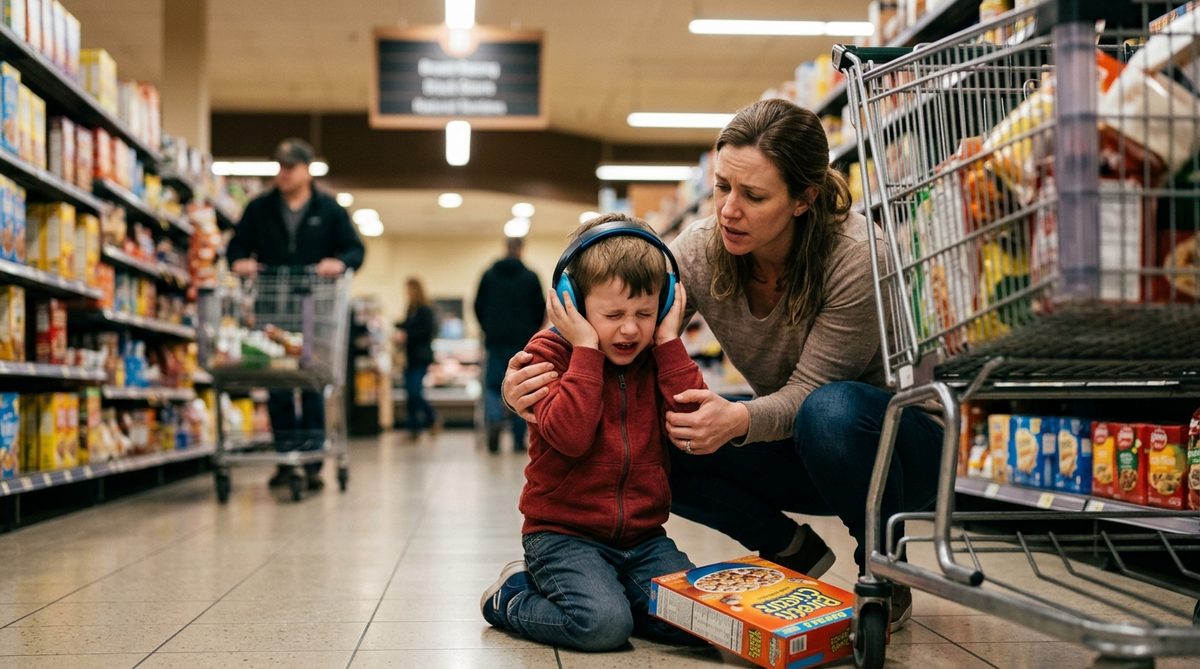
Sensory differences can affect hearing, touch, taste, smell, movement, or awareness of the body. A child may notice sounds that others filter out. They might find a hand dryer painful, avoid clothing seams, gag at mixed food textures, or panic when someone brushes against them.
Other children seek strong input. They may crash into cushions, spin, chew firm objects, touch surfaces, or move almost all the time. A child can avoid one type of input and seek another.
Sensory overload does not always look like distress at first. The child may go silent, stop responding, cover their ears, leave the area, or seem rude. A later meltdown may be blamed on the final small event, even though noise and social effort had built up for hours.
Changes in body awareness can matter too. Some children notice hunger, thirst, pain, or the need for the toilet late. Adults may mistake this for refusal or poor attention. A simple visual routine and planned breaks can reduce the demand on the child.
Why might the signs change between home and school?
Different settings place different demands on a child. School requires group attention, quick changes, shared space, and constant reading of social cues. Home may offer familiar people and more control.
Some children mask at school and release stress at home. Others cope well at home but struggle in the playground, where rules change without warning. A teacher may see a quiet child who finishes work. A parent may see exhaustion, stomach aches, sleep trouble, or refusal the next morning. Both accounts can be true.
Ask adults to record what happens before and after hard moments. Useful details include noise level, task type, change in routine, social demand, recovery time, and what helped. This can reveal a pattern hidden by broad words such as “fine” or “difficult.”
Another missed clue is delayed distress. A child may complete an event without protest, then become upset much later. The gap can make the cause hard to see. Tracking the whole day often makes the link clearer.
What else can resemble mild autism?
Several conditions can cause similar behaviour. Attention deficit hyperactivity disorder may affect impulse control, attention, activity level, and social timing. Anxiety can cause avoidance, repeated reassurance seeking, or a strong need for certainty. Language disorders can make conversation and instructions hard to follow.
Hearing differences, learning needs, sleep problems, and stressful events can also change behaviour. A child may have autism alongside another condition. The aim is not to choose a label from a checklist. The aim is to understand why the child is struggling and what support will help.
A professional looks at development as a whole. They consider how the child communicates, plays, adapts, learns, manages sensory input, and connects with people. They also compare reports from home, education settings, and direct observation.
When does a trait deserve closer attention?
A trait deserves attention when it forms part of a lasting pattern or limits the child’s comfort, learning, relationships, self-care, or access to family life. Frequency matters, but so do intensity and recovery time.
Consider these questions:
- Does the child need much more preparation than peers for ordinary changes?
- Do social situations cause confusion, conflict, or marked exhaustion?
- Are sensory needs limiting food, clothing, sleep, school, or community activities?
- Does the child hide distress until they reach a safe place?
- Are adults changing large parts of family life to prevent upset?
- Has the pattern lasted for months rather than appearing during one short stressful period?
Do not wait for every sign to appear. Autism varies between children and can look different as demands change. Support can begin before any formal diagnosis.
What should parents record before asking for help?
Write down specific events instead of labels. “Refused to get dressed” gives little context. “Cried for 25 minutes when the usual school shirt was wet and could not tolerate the spare shirt’s collar” shows the trigger, response, and sensory factor.
Keep notes for two to four weeks. Record situations that went well as well as hard moments. This helps professionals see which supports already work.
Useful records include:
- examples of social misunderstandings or one-sided conversation
- responses to changes, waiting, or unclear plans
- sensory triggers and signs of overload
- recovery time after school or social events
- play patterns, repeated movements, and focused interests
- feedback from educators and other carers
Old reports, preschool notes, and short home videos may help if they show natural behaviour. Avoid testing the child or pushing them to repeat a difficult response for the camera.
How can families support a child while seeking advice?
Start with the needs you can see. Give clear instructions. Warn the child about changes. Use visual plans for routines. Build quiet recovery time into demanding days. Offer sensory options such as headphones, soft clothing, movement breaks, or a calm space when these suit the child.
Do not remove every demand. Make tasks easier to understand and teach them in small steps. A child who cannot join a group game may first practise with one trusted peer. A child who fears a changed plan may cope better when shown the new plan and what will stay the same.
Ask the child what feels hard. Younger children may point, draw, or choose from simple options. Accept communication that does not rely on eye contact. Treat meltdowns as a sign of overload, then review the trigger after everyone is calm.
For professional advice, parents can speak with a GP, paediatrician, psychologist, speech pathologist, occupational therapist, or the child’s education team. An assessment should explain the child’s strengths, needs, and useful supports. It should do more than provide a label. qualified health professional
What is the one step to take now?
Record specific examples from home and school for two weeks, then take that pattern to a qualified health professional and ask for a developmental assessment.
Common questions
What age does mild autism start?
Signs of mild autism often begin before age 3, though they may not be clear until a child starts school. Autism is present from early development and does not suddenly begin later in life.
What is the biggest red flag for autism?
A major red flag is a child not responding to their name or not sharing interest with others through eye contact, pointing, or facial expressions. Losing speech or social skills at any age should be discussed with a doctor promptly.
What is the average life expectancy for someone with Level 1 autism?
There is no reliable average life expectancy just for people with Level 1 autism. Many can live a typical lifespan, especially when health problems, stress, and safety needs are well managed.
What are the early signs of Level 1 autism?
Early signs may include trouble joining play, limited eye contact, strong routines, deep interest in a few topics, and being very sensitive to sounds or textures. Signs differ between children, so a doctor can help if these behaviors affect daily life.
Explore this topic: NDIS and disability guides. For tailored support, see NDIS personal training in Melbourne.
What not to do with an autistic child?
Read article →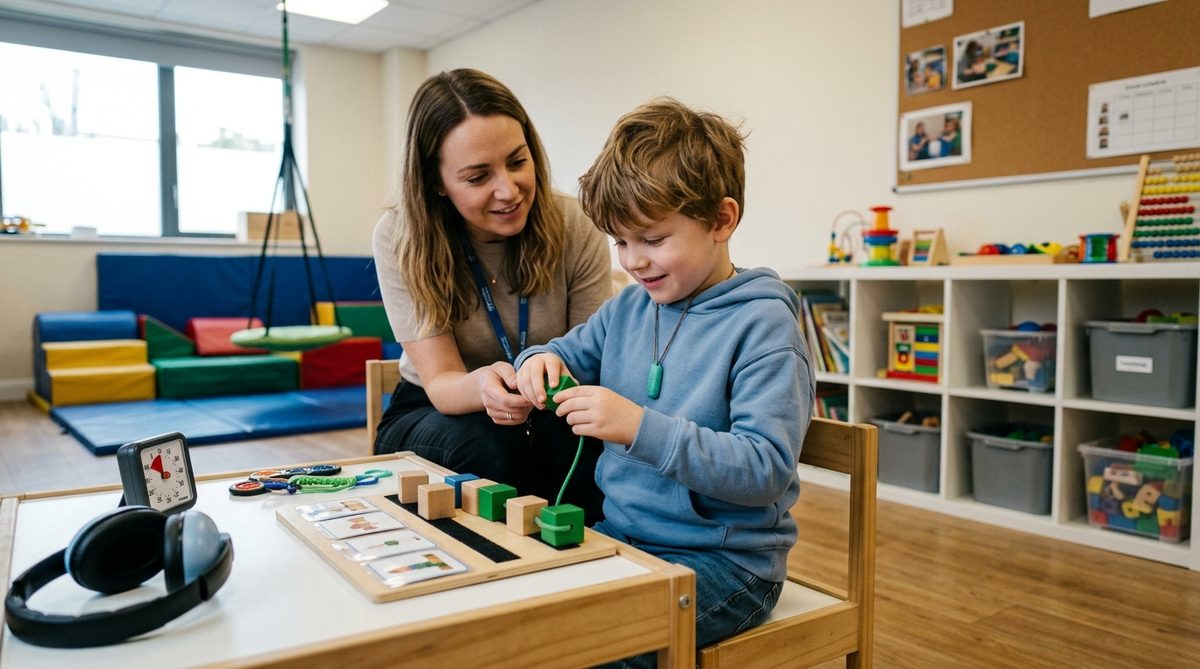
Can an autistic child live normal life?
Read article →
Can level 1 autism live normal lives?
Read article →
How serious is level 1 autism?
Read article →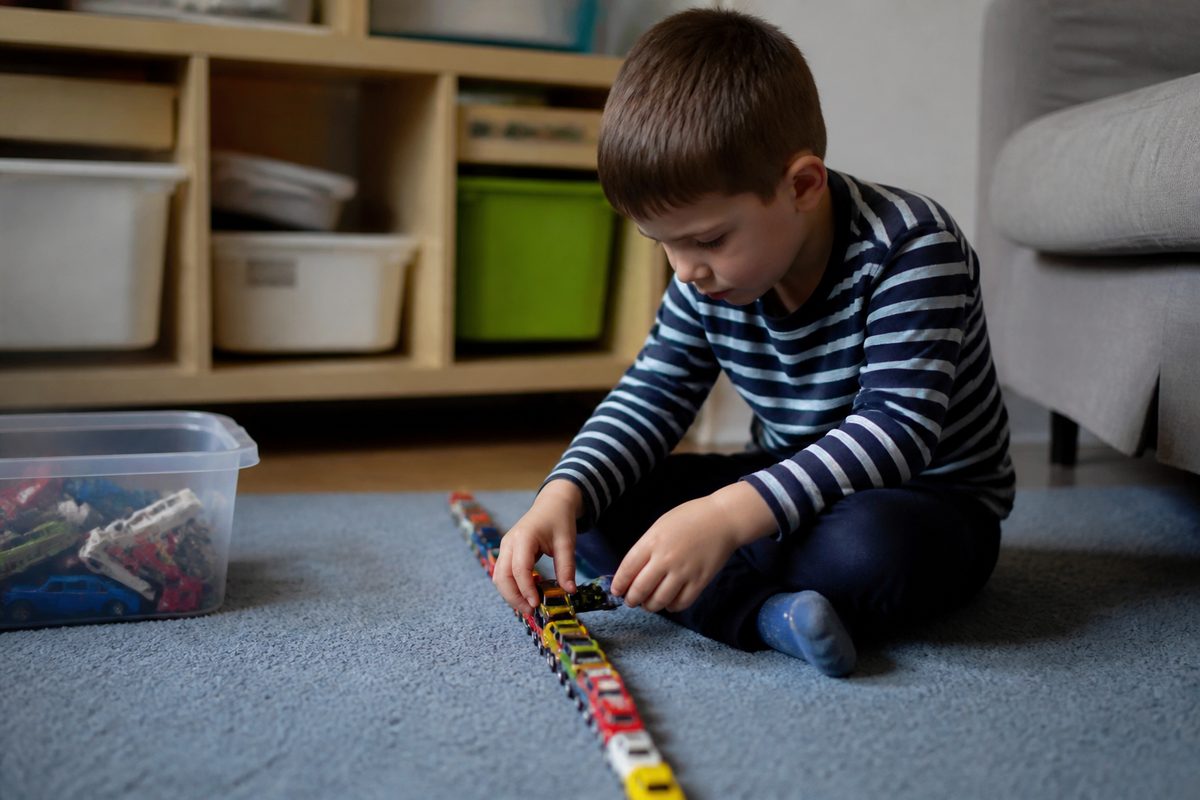
What are the signs of autistic behaviour?
Read article →
What Characteristics Does an Autistic Child Have? A Parent's Plain-English Guide in Melbourne
Read article →Explore more Better Start guides
Use these topic hubs to keep reading related articles by condition, support need, or funding question.
NDIS & disability
Access, funding, planning, disability support, and eligibility guides.
Open hub →Lupus
Symptoms, diagnosis, flares, disability support, and daily life.
Open hub →Autoimmune disease
Symptoms, coping strategies, long-term health, and support options.
Open hub →Rheumatoid arthritis
Flares, treatments, daily living, disability support, and NDIS questions.
Open hub →Kidney disease
Kidney symptoms, kidney failure, dialysis, and support questions.
Open hub →Speech therapy
Therapy funding, stuttering, cleft palate, dyslexia, and communication support.
Open hub →