What are the top 3 signs of autism?

The top three signs of autism are differences in social connection, differences in communication, and restricted or repetitive behaviour. These signs often overlap. They can include less shared attention, an unusual way of communicating, a strong need for things to stay the same, repeated movements, focused interests, or sensory reactions.
Autism looks different in every person. One child may speak very little and avoid busy play, while another speaks well but finds back-and-forth conversation hard.
An adult may have learned to copy social behaviour. Yet each interaction might leave them tired or confused.
One trait alone does not confirm autism. Professionals look for a pattern that began during development and affects daily life. They also think about the person's age, language skills, culture, setting, and support needs.
Why are these signs grouped this way?
Autism affects how a person takes in information and responds to the world. The clearest signs often show up in social interaction, communication, and patterns of behaviour or sensory response.
These areas are closely tied. A child who finds speech hard may repeat lines from a show because those words are easier to recall. Someone overwhelmed by noise may leave social events early.
That can seem like a lack of interest. The real cause may be sensory stress.
The overall pattern matters more than one action. Plenty of people dislike loud sounds, and many toddlers repeat favourite games. Concern grows when several differences happen often, show up across settings, or make play, learning, relationships, or daily tasks harder.
How can differences in social connection appear?
Differences in shared attention and social interaction are often seen early. Shared attention means two people focus on the same thing and both know they are sharing that moment.
A young child might spot a dog and point. Then they look at a parent to check whether the parent saw it too.
An autistic child may point less often to share interest. They might lead an adult by the hand to something they want without looking back. They may enjoy playing near other children but rarely invite them into the game.
Some children respond to their name sometimes, but not when deeply focused or overwhelmed.
Eye contact is just one small part of this area. Some autistic people make little eye contact, while others make a lot because they were taught to do it. Forced eye contact can make listening harder.
A better question is whether the person can share interest, read social cues, and take part in an exchange that feels comfortable.
Social differences can include:
- Rarely pointing or showing objects to share enjoyment
- Limited response to another person's smile, voice, or facial expression
- Difficulty joining play or knowing how to keep it going
- Preferring play with clear rules over open-ended group play
- Taking words literally or missing implied meaning
- Finding it hard to judge when someone wants to speak or end a conversation
These signs can be easy to miss in people who want friends and work hard to fit in. A child may watch classmates, copy their words, and follow one trusted friend from one activity to the next. They may seem socially able at school, then come home exhausted or upset.
Picture a child at a birthday party. She stays beside one familiar cousin, copies what the cousin does, and answers adults with practised phrases. When the cousin leaves, she hides under a table.
She doesn't dislike people. She was using her cousin as a guide through a social setting that felt unclear.
How do communication differences show up?
Autistic communication may differ in speech, gestures, tone, timing, or the flow of conversation. Some children speak later than expected. Others use few gestures before speech begins.
Some have a large vocabulary but still find everyday conversation tough.
A person may repeat words they have heard. This is called echolalia. The repeated phrase can still mean something.
A child who says a cartoon line when frightened may be using the best words they have to show distress. Treating the phrase as meaningless can hide what the child is trying to say.
Communication differences may include:
- Delayed spoken language or a loss of words previously used
- Limited use of pointing, waving, nodding, or facial expression
- Repeating sounds, questions, scripts, or lines from media
- Speaking with an unusual rhythm, volume, or tone
- Talking at length about one subject without noticing the listener's response
- Difficulty answering open questions or describing feelings
- Needing extra time to process spoken instructions
Speech ability doesn't show everything a person understands. A child who doesn't speak may understand much of what others say. A fluent speaker may still struggle to explain pain, ask for help, or follow a fast conversation.
Communication support should fit the task, not guesses about intelligence.
Look at how communication works in real life. Can the person ask for a break? Can they tell someone what hurts?
Can they clear up a misunderstanding? Can they follow a group discussion without getting lost?
In a typical classroom example, a student gives detailed answers about trains but says “I don't know” when asked why he is upset. The teacher may think he refuses to talk.
A more useful view is that facts are easy for him to sort, while emotions are harder to spot and put into words.
Pictures, written choices, visual schedules, or communication devices can close this gap. These tools help communication. They do not prevent speech.
What do restricted or repetitive patterns look like?
Restricted or repetitive behaviour includes repeated movement or speech, focused interests, routines, and unusual sensory responses. These actions often help an autistic person manage emotions, create order, or enjoy an experience.
A young child may spin wheels, line up toys, repeat the same scene, or become upset when an object is moved. An older child might learn every fact about one topic and steer most talks toward it.
An adult may take a fixed route, eat the same food, or need clear warning before plans change.
Common examples include:
- Rocking, hand movements, pacing, jumping, or finger flicking
- Arranging objects by colour, shape, size, or a fixed order
- Repeating the same play sequence
- Strong distress when a routine changes without warning
- Deep focus on a narrow subject or type of object
- Seeking pressure, movement, certain textures, or repeated sounds
- Avoiding noise, bright light, touch, smells, or food textures
Repeated movement should not be seen as bad behaviour by default. It may help the person stay calm, focus, or show joy. It needs attention if it causes injury, stops key tasks, or signals severe distress.
Sensory differences are often missed because adults only see the reaction. A child covers their ears and runs from a hand dryer. An adult may think the child is being difficult.
But the pattern is the useful clue: the same sound causes the same distress in different bathrooms.
A strong interest can be a real strength. It may help with learning, confidence, and connection. Concern depends on how rigid the pattern is and whether the person can meet basic needs when the interest or routine is interrupted.
When does a trait become a meaningful pattern?
A trait means more when it lasts, appears in more than one part of life, and affects daily function. How often it happens isn't enough on its own. The reason for the behaviour and its effect both count.
Use four checks:
- History: Was the difference present during early development, even if it became clearer later?
- Range: Does it affect social connection, communication, behaviour, or sensory regulation?
- Setting: Does the pattern appear at home, school, work, or in the community?
- Impact: Does it cause distress, exhaustion, conflict, isolation, or difficulty with everyday tasks?
Some people hide their traits in public. They may practise conversations, copy facial expressions, force eye contact, or hold back repeated movements. This is often called masking.
A person may look calm all day, then need hours to recover. An assessment should count that hidden effort.
Development also changes how signs appear. A preschool child may find pretend play hard. A teenager might understand basic social rules but miss changing expectations within friendships.
An adult may cope with planned meetings yet feel lost during casual talk. The form changes, but the pattern underneath remains.
What else can look similar?
Several conditions can cause traits that look like parts of an autistic pattern. Hearing loss can affect responses to speech. A language disorder can delay spoken communication.
Anxiety can reduce eye contact or make social events hard. Attention difficulties can affect listening, impulse control, and changes between tasks.
These differences can also occur alongside autism. Finding one possible cause shouldn't end the review if the wider pattern remains. A proper assessment looks at development, health, communication, behaviour, sensory needs, and daily function together.
Don't compare a person only with a sibling or classmate. Compare their current skills with expected development and with their own earlier progress. A sudden loss of language, social response, movement, or self-care skills needs a prompt medical review.
Should families wait before asking for help?
No. Support can start before a formal diagnosis. If communication, play, sensory distress, or daily routines are causing concern, talk to a qualified health or developmental professional.
Begin by writing down clear examples. “He struggles socially” offers little detail. “He does not point to share interest, rarely joins group play, and becomes distressed when the game changes” gives a professional useful information.
Bring notes from more than one setting when you can. Teachers, carers, partners, and family members may see different parts of the pattern. Videos of natural play or communication can also help when they are allowed and used with care.
An autism assessment may include interviews, observation, developmental history, and reports from people who know the person well. The goal is to understand strengths, needs, and what support could make daily life better. It isn't a test someone passes or fails.
What can you do while seeking an assessment?
Make daily life easier by working with the needs you already see. You don't need to wait for a label to reduce distress or improve communication.
- Use clear, direct language and allow extra processing time.
- Give advance notice of changes with words, pictures, or a written plan.
- Offer a quiet space during noisy or crowded activities.
- Accept safe movement or repeated actions that help regulation.
- Use the person's interests to support learning and connection.
- Offer choices in a form the person can understand and answer.
Watch what happens before and after a hard moment. If distress follows noise, unclear directions, a sudden change, or a tough social task, change that part of the setting. Behaviour often shows a need the person can't explain at that moment.
Avoid teaching someone to look less autistic just to make others comfortable. A better goal is useful communication, safety, access, and a life with less needless stress.
Write down the repeated signs you see across daily settings, then book a developmental or autism assessment with a qualified professional.
Common questions
What are some common signs of autism in adults?
Common signs include trouble reading social cues, feeling upset by changes, and strong focus on certain interests. Some adults also repeat movements or become overwhelmed by sounds, lights, or crowds.
What are autistic stims?
Stims are repeated actions or sounds, such as hand flapping, rocking, tapping, or humming. They can help an autistic person feel calm, manage strong feelings, or handle too much sensory input.
How does puberty affect people with autism?
Puberty can make emotions, body changes, and social situations feel more confusing or intense. Clear guidance, steady routines, and support from trusted adults can make this time easier.
What is the biggest red flag for autism?
A major sign is ongoing difficulty with social communication, such as rarely sharing interests or responding to others. One sign alone does not mean autism, so concerns should be discussed with a health professional.
Explore this topic: NDIS and disability guides. For tailored support, see NDIS personal training in Melbourne.

What not to do with an autistic child?
Read article →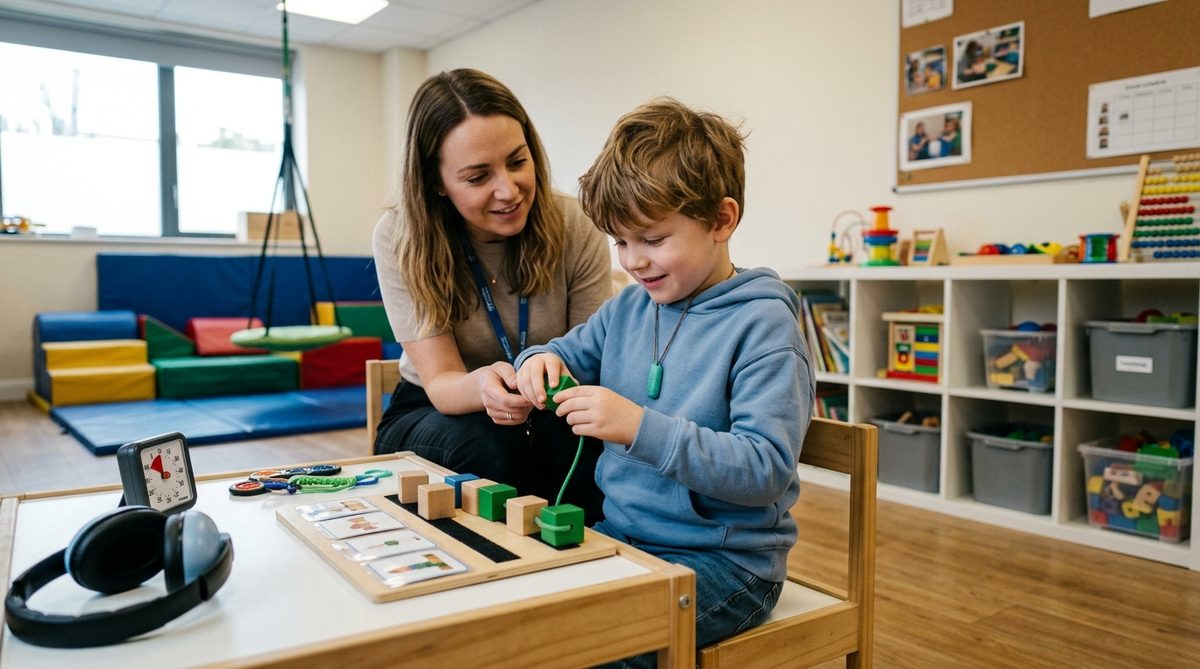
Can an autistic child live normal life?
Read article →
Can level 1 autism live normal lives?
Read article →
How serious is level 1 autism?
Read article →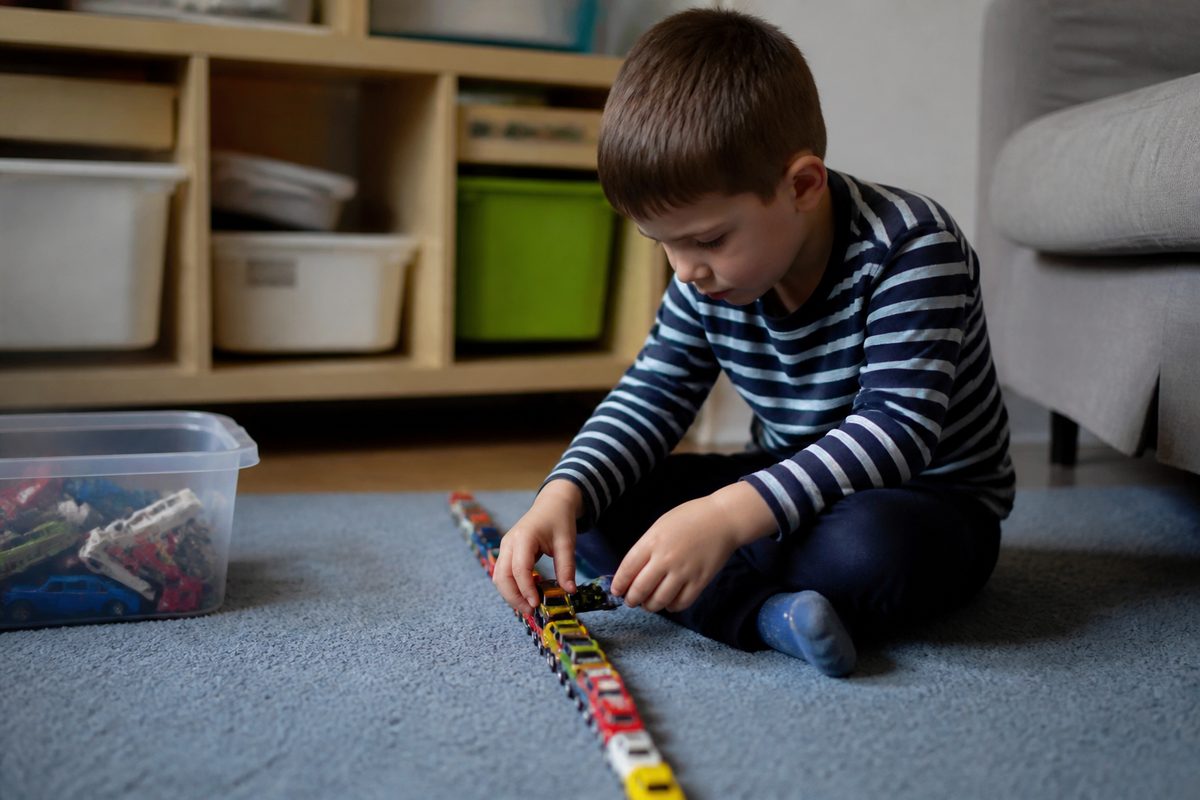
What are the signs of autistic behaviour?
Read article →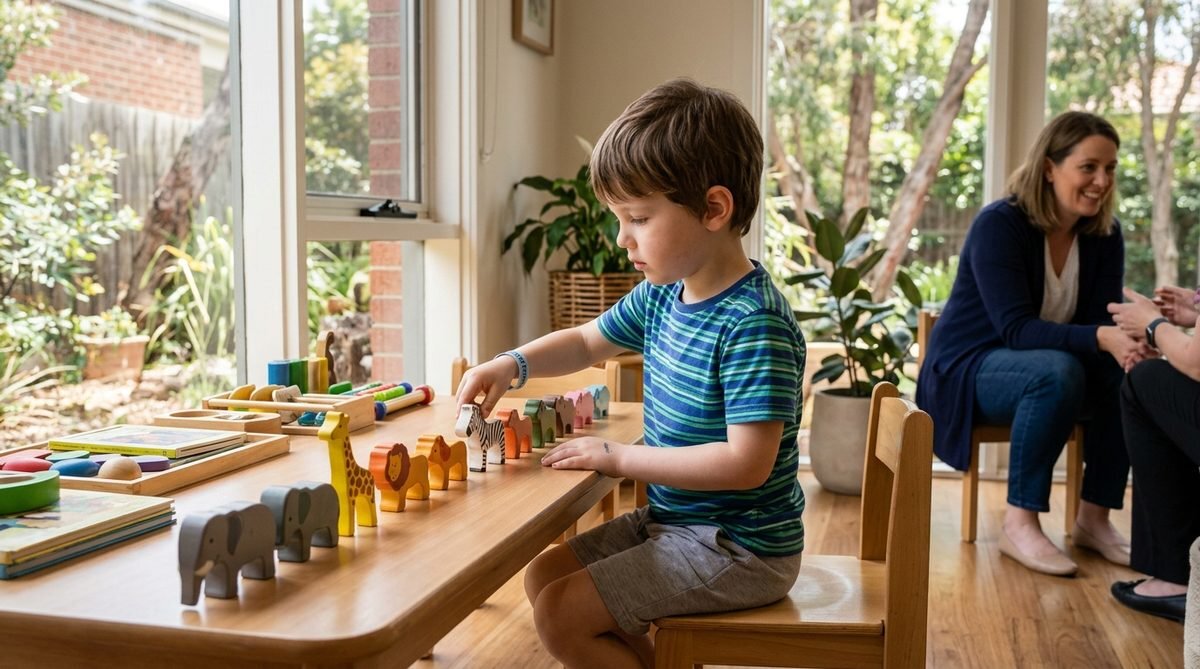
What Characteristics Does an Autistic Child Have? A Parent's Plain-English Guide in Melbourne
Read article →Explore more Better Start guides
Use these topic hubs to keep reading related articles by condition, support need, or funding question.
NDIS & disability
Access, funding, planning, disability support, and eligibility guides.
Open hub →Lupus
Symptoms, diagnosis, flares, disability support, and daily life.
Open hub →Autoimmune disease
Symptoms, coping strategies, long-term health, and support options.
Open hub →Rheumatoid arthritis
Flares, treatments, daily living, disability support, and NDIS questions.
Open hub →Kidney disease
Kidney symptoms, kidney failure, dialysis, and support questions.
Open hub →Speech therapy
Therapy funding, stuttering, cleft palate, dyslexia, and communication support.
Open hub →