What can be done to help people with disabilities?
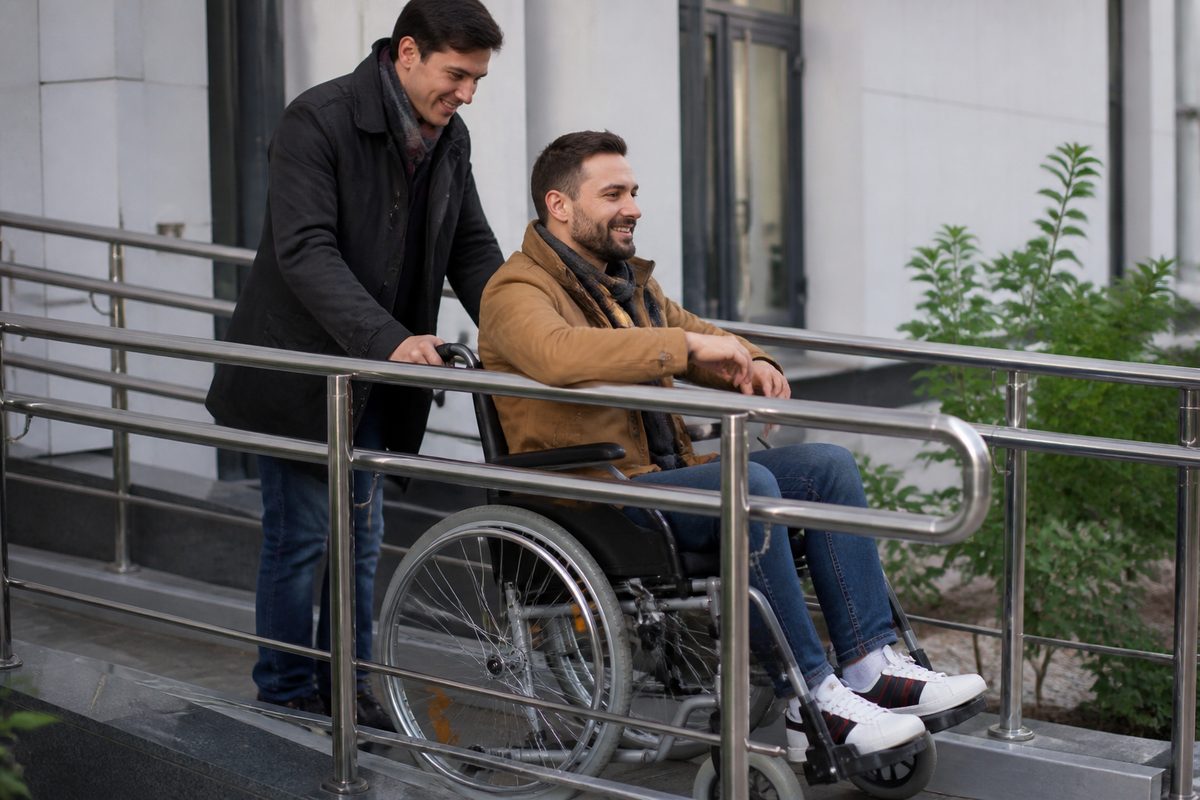
People with disabilities are best helped by removing barriers, respecting their choices, and providing steady support that fits their lives. Help should give the person more control. It should never mean making choices for them without consent.
The right approach starts with asking what the person wants. Listen to the answer. Then act on it.
Disability can affect movement, communication, learning, senses, energy, memory, or mental health. Some disabilities are easy to see. Many aren't.
Two people with the same diagnosis may need very different kinds of support. That's why a fixed idea of what help should look like often fails.
The main goal is equal access to daily life. That includes home, education, health care, work, transport, relationships, and community activities. Families, employers, schools, service providers, governments, and community members all have a part to play.
Where should helpful support begin?
Support should begin with the person’s own goals. Ask simple questions such as, “What would make this easier?” or “How would you like me to help?” Then give them enough time to answer.
Don't assume that visible effort means someone needs help. Never touch a wheelchair, guide dog, communication device, or mobility aid without permission. These items are part of the person’s freedom and personal space.
A common mistake is offering the help that's easiest to give. Useful help may look quite different. Someone might need written steps instead of another person finishing the task.
They may want a quiet room rather than extra staff. Or they may need flexible timing, transport, personal care, or a device that helps them communicate.
Think of someone who finds phone calls hard because of a communication disability. Making every call for them may fix the task right now, but it can cut into their privacy and control. Offering email, text, an online form, or communication support lets the person manage the task themselves.
Many articles miss this point: help can become another barrier when it takes away choice. Good support builds skills where possible and gives direct help where needed.
How can everyday barriers be removed?
Many limits come from how places, services, and systems are built. A wheelchair user is blocked by stairs when there is no other route. A blind customer can't use an online form that doesn't work with a screen reader.
Someone with sensory needs may also be shut out by harsh lights, loud music, or packed waiting rooms.
Removing barriers means looking at the whole journey. Check how someone finds information, enters a place, asks for help, uses the service, pays, and leaves. One accessible doorway means little when the toilet, counter, or booking system can't be used.
Useful changes include:
- Step-free entrances and clear paths.
- Signs with large text and strong colour contrast.
- Captions and transcripts for video or audio content.
- Plain-language forms with clear instructions.
- Quiet spaces and flexible appointment times.
- Websites that work by keyboard and with assistive technology.
- Several contact options, such as phone, email, text, and face-to-face support.
Access needs upkeep too. An accessible toilet used for storage is no longer accessible. A lift that often breaks can stop someone from getting to work or care.
Regular checks matter more than a one-time promise.
Why do respect and choice matter as much as practical help?
A person can receive many services yet still have little say over their day. Support becomes harmful when workers rush, ignore privacy, speak to a companion instead of the person, or treat normal adult choices as dangers that must be stopped.
Respect means speaking straight to the person. Use their preferred name and way of communicating. Explain what will happen before giving personal or physical help.
Ask for consent again if the task changes.
Choice also means having the right to make decisions that other people wouldn't make. Adults with disabilities have their own views about food, clothing, work, relationships, money, and leisure. Safety matters, but it shouldn't become an excuse to control every part of life.
Picture a client who wants to cook dinner but has poor grip strength. Taking over the kitchen is quick. A better answer may be an easy-grip knife, a steady cutting board, prepared ingredients, and help only with the steps they can't do safely.
The meal may take longer. But the person keeps the skill and the pride that comes from using it.
What support helps at home and in the community?
Practical support should make normal routines possible. The right mix may include personal care, meal preparation, cleaning, transport, home changes, therapy, communication support, or help joining community activities.
Being reliable makes a big difference. A late or cancelled support visit can mean someone misses medication, work, study, food, or an appointment. So reliable scheduling is part of good care, not a small office issue.
Support workers need to learn each person’s routine instead of pushing every client through the same process. One person may need step-by-step prompts. Another may find repeated prompts stressful.
Someone who uses few spoken words may communicate through signs, pictures, a device, eye movement, or behaviour. Staff should understand what each signal means.
Community inclusion also takes real invitations. Saying someone is welcome doesn't help when there's no accessible transport, suitable bathroom, choice of seating, or clear event information. Organisers should share access details before an event and give people a contact for specific needs.
How can schools create real participation?
Inclusion (education) means giving students access to teaching, friendships, activities, and school life with the support they need. Putting a student in a regular classroom without the right teaching or help isn't meaningful inclusion.
Teachers can split work into clear steps, give visual instructions, allow assistive technology, offer different ways to show knowledge, and cut avoidable sensory strain. Some students may answer better through typing, speech, images, practical work, or extra time to process information.
Adjustments should help learning without lowering hopes based on a label. A student may need a different path to reach the same goal. Schools should plan with the student and family, review what works, and change support as needs shift.
Social access needs just as much care. Students with disabilities may be left out at lunch, during sport, on excursions, or in group tasks even when classroom support is strong. Staff should check whether the student can join in, make choices, and build real friendships.
What makes work fair and useful?
Fair work starts with accessible hiring. Job ads should explain the main duties in plain language. Applications should work with assistive technology.
Candidates should also be able to ask for interview adjustments without being treated like a problem.
At work, useful changes may include flexible hours, a changed desk setup, written instructions, less noise, remote work, task changes, or extra training time. These changes often cost little and may help other staff too.
Supported employment can help people who need ongoing aid to find, learn, or keep a job. Good programs focus on fair pay, real duties, skill growth, and the worker’s own goals. They shouldn't trap someone in low-paid work with no way to move forward.
Employers should judge performance against the true needs of the job. Eye contact, fast speech, or sitting still may have little to do with whether a person can do the work. Hiring based on those signals can shut out strong candidates.
Another point often missed: access work should be paid. Employers and service designers often ask disabled people to test systems or explain barriers for free. Their lived knowledge is valuable and should count as professional input.
How do laws and public action change daily life?
Individual kindness can't repair a system that blocks access. Laws, funding, standards, and public services shape whether people can study, work, travel, receive care, and live safely.
The Disability rights movement changed public thinking by calling for equal rights, independent living, access, and a key rule: decisions about disabled people should include disabled people. That lesson still holds. Policies work better when people with varied disabilities help design, test, and review them.
Structural inequality happens when rules and systems create the same unfair outcomes again and again. It can show up as poor transport, long waits for support, inaccessible housing, fewer work options, weak complaint systems, or digital services some people can't use. Telling individuals to try harder won't fix these problems.
Public bodies and organisations should gather feedback about access, publish clear plans for improvement, set deadlines, and report the results. Complaint options must be safe and easy to use. People shouldn't risk losing support because they speak up.
How can friends and family help without taking control?
Friends and family can offer transport, help with forms, attend appointments, support communication, or give someone a break from daily pressure. The person should still lead decisions wherever possible.
Ask before sharing health details or speaking for someone. Include the person in talks about them. Give information in a form they can understand, then allow time for questions and choices.
Carers need rest, training, and emotional support too. Burnout can lead to rushed choices and tense relationships. Planned breaks and backup support protect both the person with disability and the carer.
Watch for signs of abuse, neglect, financial control, or isolation. Take every report seriously. Help the person contact a trusted service or authority in a way that protects their safety and privacy.
What should service providers measure?
Service providers often count visits, hours, or finished tasks. Those numbers show activity, but they don't prove that the support made someone’s life better.
Better measures ask whether the person has more choice, reaches personal goals, feels safe, keeps relationships, builds skills, or joins activities that matter to them. Feedback should come in accessible forms. And the worker involved shouldn't be standing over the person while they give it.
Providers should also track missed visits, staff changes, complaints, response times, and whether promised adjustments were delivered. A support plan means little if no one follows it during normal shifts.
People with disabilities should help train staff and review services. Their input can uncover small problems that managers miss, such as workers arriving too early, instructions written in hard language, or transport leaving before an appointment ends.
What can you do first?
Start with one person, place, or service. Ask which barrier causes the most harm, agree on a useful change, name who will do it, and set a date to review the result.
- Listen to the person before suggesting a solution.
- Remove the barrier that blocks the most choice or participation.
- Provide the equipment, time, funding, or human support needed.
- Check whether the change works in real life.
- Keep the change in place and fix new barriers as they appear.
Take one barrier identified by a person with disability and remove it with them this week.
Common questions
How to improve accessibility for disabled?
Remove barriers by adding ramps, clear signs, wide paths, and accessible toilets. Ask people with disabilities what they need and offer information in formats they can use.
What services and support are available to people with disabilities in Australia?
People with disabilities in Australia may get support through the NDIS, health services, schools, housing programs, and job services. Local councils and community groups may also offer transport, activities, equipment, and help for carers.
How to work with people with learning disabilities?
Speak clearly, use simple steps, and give the person enough time to understand and respond. Ask how they prefer to learn, listen with respect, and focus on what they can do.
Explore this topic: NDIS and disability guides. For tailored support, see NDIS personal training in Melbourne.

What not to do with an autistic child?
Read article →
Can an autistic child live normal life?
Read article →
Can level 1 autism live normal lives?
Read article →
How serious is level 1 autism?
Read article →
What are the signs of autistic behaviour?
Read article →
What Characteristics Does an Autistic Child Have? A Parent's Plain-English Guide in Melbourne
Read article →Explore more Better Start guides
Use these topic hubs to keep reading related articles by condition, support need, or funding question.
NDIS & disability
Access, funding, planning, disability support, and eligibility guides.
Open hub →Lupus
Symptoms, diagnosis, flares, disability support, and daily life.
Open hub →Autoimmune disease
Symptoms, coping strategies, long-term health, and support options.
Open hub →Rheumatoid arthritis
Flares, treatments, daily living, disability support, and NDIS questions.
Open hub →Kidney disease
Kidney symptoms, kidney failure, dialysis, and support questions.
Open hub →Speech therapy
Therapy funding, stuttering, cleft palate, dyslexia, and communication support.
Open hub →