What Characteristics Does an Autistic Child Have? A Parent's Plain-English Guide in Melbourne
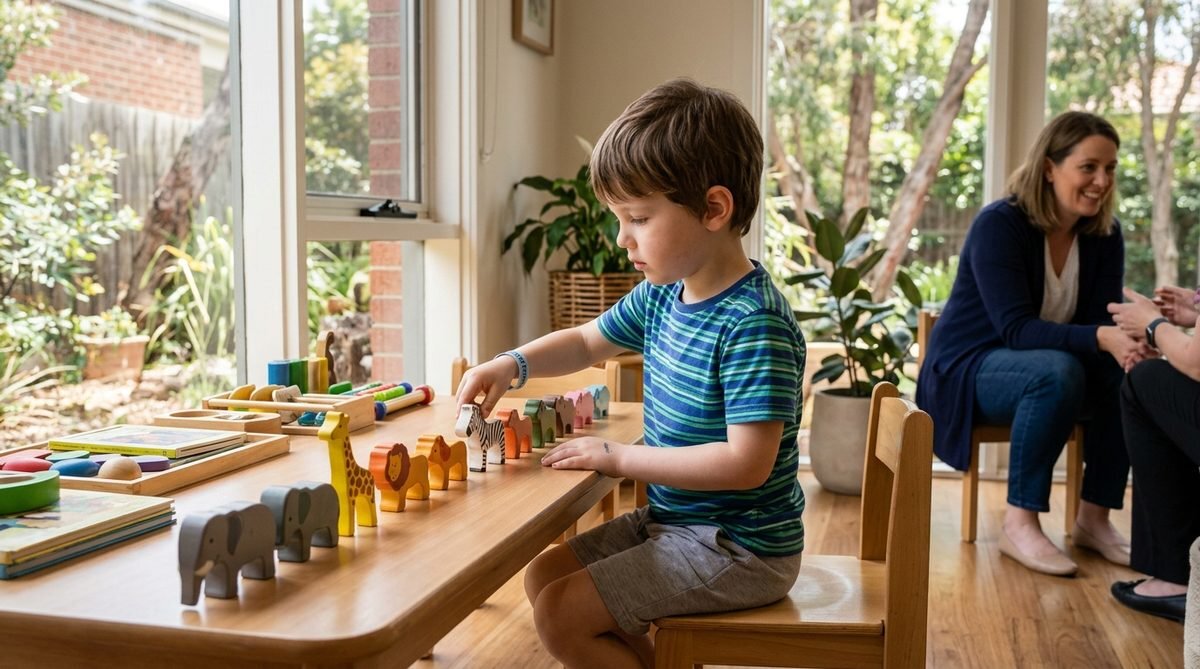
Autistic children share characteristics across two main areas: differences in social communication and interaction, and restricted or repetitive patterns of behaviour and sensory experience. These traits sit on a wide spectrum, some children are profoundly affected, others minimally so, and they are present from early development, even when a diagnosis arrives years later.
The characteristics are not a uniform list of deficits. Many are neutral differences that only become difficult in specific environments, such as a loud classroom or an unstructured social situation. Every autistic child is different, and many will not show every sign, or the signs may not always be obvious.
This guide walks through what those characteristics look and feel like in real life, why they occur, and what to do if you recognise them in your child.
The Two Core Areas That Define Autism Spectrum Characteristics
Autism is a neurodevelopmental disorder defined by characteristics across two distinct domains: social communication and interaction, and restricted or repetitive behaviours. Both must be present for a medical diagnosis. Neither domain alone is enough.
Social communication differences include how a child reads facial expressions, uses gestures, or engages in back-and-forth conversation. Restricted and repetitive behaviours include intense focused interests, preference for sameness, sensory sensitivities, or repeated movements. A child who struggles socially but shows none of the second domain may have a different explanation for those difficulties. A child with very fixed routines but typical social development also falls outside the diagnostic picture.
The word "spectrum" is commonly misread as a straight line from mild to severe. It actually describes the enormous variation in how these two domains combine and how intensely each appears. One autistic child may be highly verbal and seek social connection but find the unwritten rules of conversation genuinely confusing. Another may have very little spoken language and a strong need for physical routine. Both fit within the same diagnostic framework.
Characteristics must be present from early development, though they sometimes go unnoticed until the social demands on a child increase, such as when school begins.
As you read the sections ahead, hold both domains in mind rather than scanning for a single defining sign.
Social Communication and Interaction: What It Looks Like at Different Ages
social communication differences are usually what parents notice first, and they often get misread as shyness, a quiet personality, or late talking. The pattern looks different depending on the child's age and child development stage, which is why the same underlying difference can be easy to miss in a toddler and more obvious by the time a child starts school.
Infants and toddlers
In the first two years, the signs tend to involve what a child does not do rather than any single dramatic behaviour. A baby who rarely smiles back at a familiar face, does not point at things to share interest, does not follow a caregiver's gaze to look at the same object, or does not respond when their name is called repeatedly is showing something worth paying attention to. These are standard developmental milestones that paediatricians and bodies such as the NHS and CDC use during routine screening.
School-age children
At school, social demands increase sharply and differences become harder to miss. A child may struggle to read facial expressions or pick up on body language. Friendships are hard to start and harder to maintain. Conversation can feel one-directional, and implied meaning is often lost. Sarcasm, idioms, and figures of speech are frequently taken at face value because the language itself is processed literally.
One detail that surprises many parents: some autistic children speak early and fluently yet still show clear differences in how they use language socially. The vocabulary is there; reading the unspoken rules of a conversation is the harder part.
It is also worth knowing that limited eye contact is a common sign of autism but not universal. Its absence does not confirm autism, and its presence does not rule it out.
Think back across more than one setting: home, nursery, visits with grandparents. Social communication differences tend to show up consistently across contexts, not just in one place or with one person. That pattern across settings is a more useful signal than any single moment.
Repetitive Behaviours, Routines and Sensory Differences
Hand flapping when excited, lining toys up in precise rows, insisting on the same route to school every day, these behaviours confuse and worry many parents. They make more sense once you understand what they are doing for the child.
stimming help regulate the nervous system. A child who flaps, rocks, or spins is usually managing sensory input or strong emotion, not acting out. Occupational therapy literature consistently describes stimming as a self-regulatory behaviour. Trying to stop it without offering an alternative way to regulate can increase distress rather than reduce it.
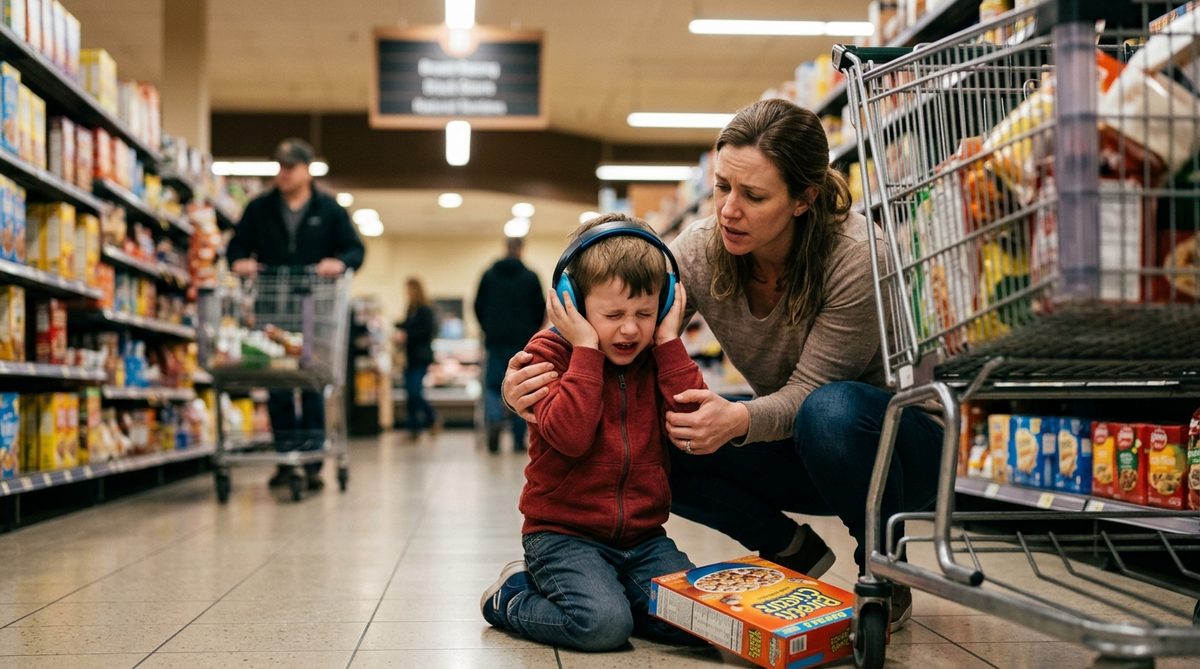
Sensory differences run in both directions. Some autistic children are hypersensitive, a seam in a sock or a sudden noise can be genuinely painful. Others seek intense sensory input and may crash into furniture, demand very tight hugs, or fixate on strong smells. The same child can be oversensitive in one channel and undersensitive in another.
Insistence on routine comes from a real need for predictability. When the environment feels overwhelming or unpredictable, a fixed sequence of events provides a reliable anchor. It is not wilful defiance.
Intense, focused interests work similarly. Deep knowledge of a narrow subject offers a sense of control and genuine pleasure in a world that can otherwise feel chaotic.
A practical step: start keeping a simple log of which sensory inputs seem to distress your child and which ones settle them. That information is directly useful to assessors and therapists, and it gives you something concrete to bring to any evaluation.
How Characteristics Differ Between Boys, Girls and Late-Diagnosed Children
The autism profile that shaped decades of research and clinical training was built largely from studies of boys. That skew has real consequences: autistic girls are diagnosed later on average than autistic boys, and many children who mask well reach adolescence or adulthood before anyone connects the dots.
Girls tend to show stronger motivation to connect socially, which makes the social communication differences described earlier easier to hide. Their repetitive behaviours and focused interests are often quieter and more socially acceptable, a deep passion for a particular book series raises fewer flags than unusual object arrangements. When things become too much, the response is more likely to be anxiety and withdrawal than a visible meltdown, so the distress stays private.
This is where masking comes in. Masking means consciously or unconsciously suppressing or disguising autistic traits to fit in at school or in social situations. Children who are cognitively able tend to be better at it. The problem is that sustaining it costs enormous energy. The child who appears fine at school often crashes completely at home, and over time the effort drives up anxiety and exhaustion. In an assessment setting, a child who masks well can appear far more socially at ease than they feel, which means a single observation may not capture the full picture.
Late identification does not mean the characteristics appeared late. It means they were harder to read. If your instinct says something is different despite your child presenting as socially capable, that instinct is worth taking to a professional for a thorough evaluation.
What the Biggest Red Flags Are, and When to Seek an Assessment
The single clearest red flag is regression: a child who loses language or social skills they previously had. If a toddler who was saying words stops talking, or a child who made eye contact and smiled at familiar faces stops doing so, seek a professional opinion promptly. Do not wait to see if it passes.
Beyond regression, no single behaviour is a reliable signal on its own. What matters is the cluster described above, social communication differences and repetitive or sensory behaviours appearing consistently, across more than one setting, over time. A child who is unusually rigid at home but relaxed everywhere else, or who is late to talk but socially engaged and curious, may have a different explanation. A child showing both domains, at home and at school, across several months, is worth a professional conversation.
If you are unsure whether what you are seeing is significant, that uncertainty is itself a reason to ask, not a reason to wait.
In the UK, the first step is usually a GP or health visitor referral, which leads to a multidisciplinary assessment involving speech and language therapy, clinical psychology and developmental paediatrics. In other countries, a paediatrician typically coordinates the initial referral. Waiting lists can be long. Use that time well: keep written notes of specific behaviours, film short video clips in natural settings, and ask the school or nursery for written observations. Concrete examples strengthen an assessment far more than a general description of concerns.
A referral does not commit a child to a diagnosis. It starts a process of understanding. If the assessment finds no evidence of autism, you still have more information than you had before. There is no downside to asking.
Start with your GP, health visitor or school SENCO. Bring specific examples rather than general worries, and know that asking is always the right move when something feels off.
Life After Diagnosis: Support, Therapy and What Parents Should Expect
Autism is a lifelong neurological difference. There is no cure, and framing it as something to be fixed can cause genuine harm. The goal of every support plan should be a good quality of life for your child, not a version of them that appears less autistic.
The strongest evidence base sits behind two therapies: speech and language therapy, which builds functional communication, and occupational therapy, which addresses sensory sensitivities and motor differences that affect daily life. Starting these early matters. Early, targeted support improves communication and adaptive outcomes significantly.
Behaviour therapy is a broad category. Approaches that centre a child's wellbeing and help them communicate function very differently from older approaches that focused on suppressing autistic behaviour. Many autistic adults report that the support which helped most addressed their anxiety, built on their strengths, and helped their environment adapt to them, not just the reverse. That perspective is worth carrying into every support decision you make.
At school, education plans are one of the most practical levers available. In England, this is an Education, Health and Care Plan (EHCP). In the US, it is an Individualised Education Program (IEP). You do not have to wait to be offered one, parents can request an assessment proactively.
Puberty can intensify anxiety and sensory sensitivities in autistic children, so planning ahead rather than reacting to a crisis makes a real difference.
Many autistic adults live independently and report meaningful relationships and careers. Outcomes vary widely depending on support received and any co-occurring conditions, but frightening worst-case assumptions are rarely the full story.
For local support directories, the National Autistic Society (UK) and the Autistic Self Advocacy Network (US) are practical starting points. Broader societal and cultural aspects of autism, including shifting attitudes toward neurodiversity and the growing role of nonprofit organisations in advocacy, also shape the resources and community support available to families. Connecting with other autism parents also tends to surface the kind of grounded, specific guidance that no website fully captures. Start with your child's school and your GP or paediatrician, and keep asking until you get a plan that fits your child.
Explore this topic: NDIS and disability guides. For tailored support, see NDIS personal training in Melbourne.
What not to do with an autistic child?
Read article →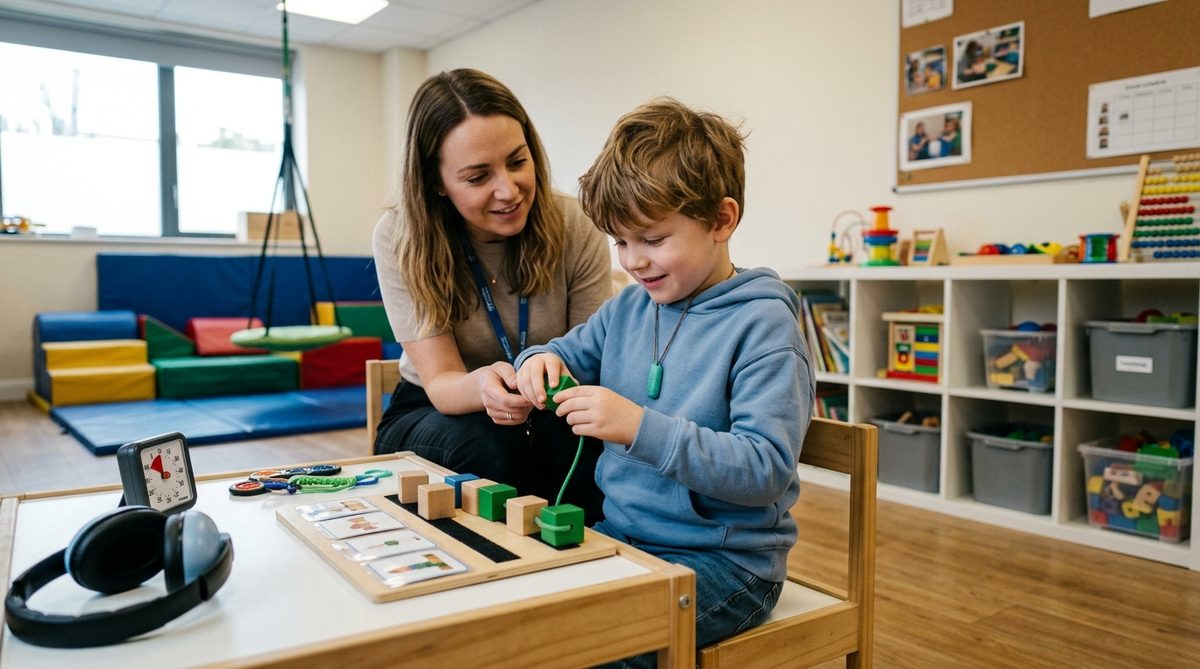
Can an autistic child live normal life?
Read article →
Can level 1 autism live normal lives?
Read article →
How serious is level 1 autism?
Read article →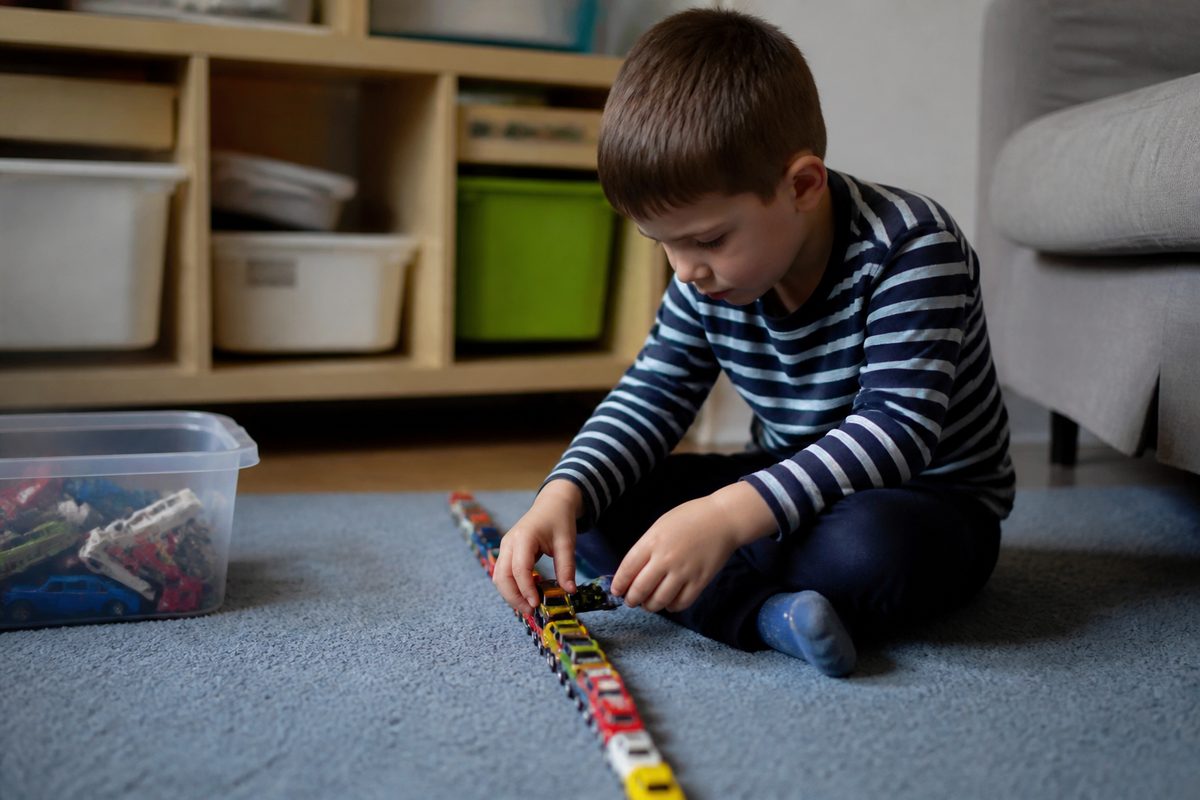
What are the signs of autistic behaviour?
Read article →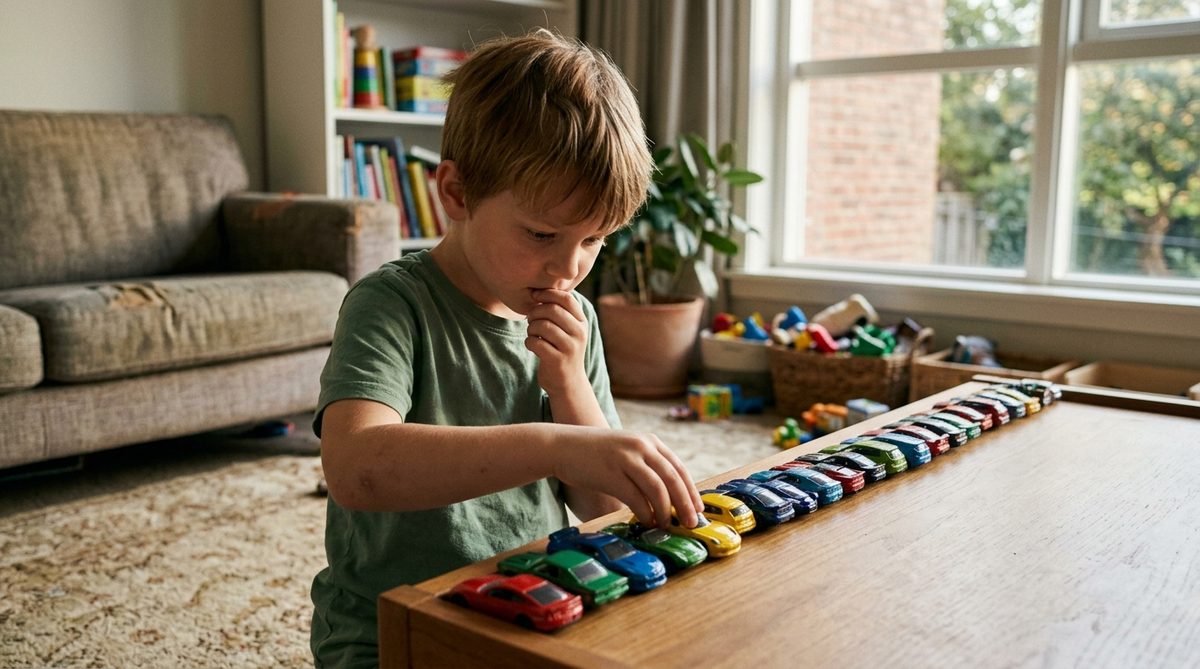
What are stereotypical behaviors in autism?
Read article →Explore more Better Start guides
Use these topic hubs to keep reading related articles by condition, support need, or funding question.
NDIS & disability
Access, funding, planning, disability support, and eligibility guides.
Open hub →Lupus
Symptoms, diagnosis, flares, disability support, and daily life.
Open hub →Autoimmune disease
Symptoms, coping strategies, long-term health, and support options.
Open hub →Rheumatoid arthritis
Flares, treatments, daily living, disability support, and NDIS questions.
Open hub →Kidney disease
Kidney symptoms, kidney failure, dialysis, and support questions.
Open hub →Speech therapy
Therapy funding, stuttering, cleft palate, dyslexia, and communication support.
Open hub →