What is the biggest red flag for autism?
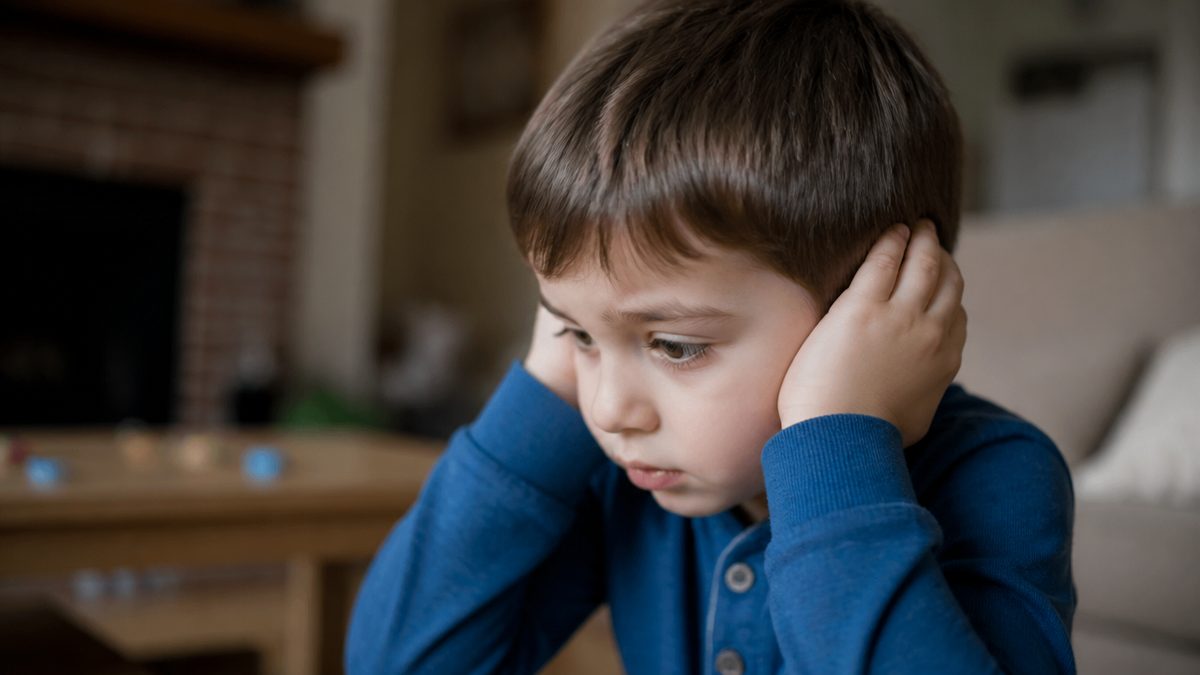
The biggest red flag for autism is an ongoing lack of shared attention, such as rarely pointing, showing objects, or looking between a person and an object to share interest. This skill is called joint attention. It helps a child connect with others before they can hold a conversation.
One missed gesture does not mean a child is autistic. Concern grows when the pattern continues over time, shows up in several settings, or comes with delayed communication. A loss of skills at any age needs quick medical advice.
Autism can look different in each person. Some children speak early but find it hard to share interests. Others use few words and depend on actions to communicate.
The key question is not whether a child has one unusual habit. It is whether their social communication grows in an expected, useful way.
Why does shared attention matter so much?
Shared attention means two people focus on the same thing and know they are sharing that moment. A child may point at a plane, glance at a parent, then look back at the plane. The aim is social.
The child wants the parent to see it too.
This skill helps children learn language. When a child follows another person's gaze or pointing finger, they can connect words with objects and events. Shared attention also helps with taking turns, playing, and reading facial cues.
A child does not need to speak to use joint attention. Babies may follow a caregiver's gaze, hold up an object to show it, or check an adult's face when something surprising happens. These tiny acts show a wish to share an experience.
The main concern is when these acts are missing again and again. A child may take an adult by the hand to get a snack but rarely point out a bird outside. Both actions send a message, yet their purpose is different.
The first gets a need met. The second shares an idea.
This difference is easy to miss because the child may seem independent. A parent may think, “She knows what she wants and gets it herself.” The child may solve problems well while still finding shared communication hard.
What can limited shared attention look like at home?
It often shows up in daily routines, not formal tests. A child may play for long stretches without checking if anyone else is watching. When a parent points across the room, the child may watch the hand instead of looking where it points.
Other examples include:
- Rarely bringing an object over simply to show it
- Using another person's hand as a tool instead of pointing or asking
- Not looking back at a caregiver during an exciting or unfamiliar event
- Showing little interest in copying simple social actions
- Responding to sounds but often not turning when their name is called
- Focusing on parts of a toy while resisting attempts to share the play
Context matters. A tired child may ignore their name. A shy child may avoid eye contact with a stranger.
A child lost in play may miss a pointing gesture. A red flag is a steady pattern, not one isolated moment.
Eye contact alone is also a poor test. Some autistic people make eye contact, while some non-autistic people find it uncomfortable. Watch how the child uses their eyes, gestures, sounds, and words together.
Communication is the whole pattern.
How can parents tell the difference between independence and disconnection?
Look at the reason behind the child's actions. An independent child may play alone, then bring a finished drawing to a parent. They may explore a new room and come back to share what they found.
They still draw other people into their experience.
A child with limited joint attention may communicate mostly when they need help. They might lead a parent to the fridge but rarely show them something interesting. They may know many labels, such as letters or animal names, yet find it hard to use those words in a back-and-forth exchange.
Picture a child who can name every vehicle in a book. When an adult says, “Look, that truck is like Grandpa's,” the child repeats “truck” without looking up or replying to the comment. The vocabulary is real.
The harder part is using language to connect.
Parents often spot this gap before they know what it's called. They may say, “He talks, but we cannot have a simple exchange,” or “She asks for things but never shows me what she likes.” Those details are useful to a clinician.
When does loss of a skill need faster action?
Losing language or social skills is more urgent than a skill that has not appeared yet. Contact a GP, paediatrician, or child health professional quickly if a child stops using words they once used, stops responding socially, or loses play and self-care abilities.
Regression does not prove autism. Hearing problems, brain or nerve conditions, illness, and other developmental issues can also cause changes. The child still needs an assessment because waiting may delay helpful care.
Write down what changed and when. Add clear examples, such as, “Used five words each day in May, then stopped using them during June.” Record whether the loss was sudden or gradual.
Note any illness, sleep change, unusual movement, or seizure-like event.
A short video of everyday behaviour may help if you can record it safely and naturally. Children don't always act the same way during an appointment. Real examples give the clinician a clearer picture.
Could hearing or language delay cause the same pattern?
Yes. Hearing loss can affect how a child responds to their name and spoken language. A language delay can make social exchanges harder.
These issues can happen with autism or without it, so a full developmental review often includes a hearing check.
How a child communicates without words can offer clues. A child with a speech delay may still point, nod, copy actions, share smiles, and bring objects to show an adult. An autistic child may find these shared social acts hard too, along with spoken language.
No home checklist can tell these causes apart with certainty. An assessment looks at development across time and in different settings. It may include parent reports, play-based observation, hearing results, and details from childcare or school.
One point many articles miss: strong speech does not rule out autism. A child may use long sentences, read early, or know a lot about one topic while finding social timing hard. Watch how language works in a relationship, not just how many words the child knows.
Do repeated actions matter as much as social communication?
Repeated movements, fixed routines, intense interests, and sensory differences can support an autism diagnosis. By themselves, they are less useful as a single warning sign because many young children repeat actions or prefer familiar routines.
The pattern raises more concern when repeated behaviour comes with social communication differences. A child might line up toy cars and become very upset if someone moves one. That same child may rarely invite another person into the game or respond when someone talks about the cars.
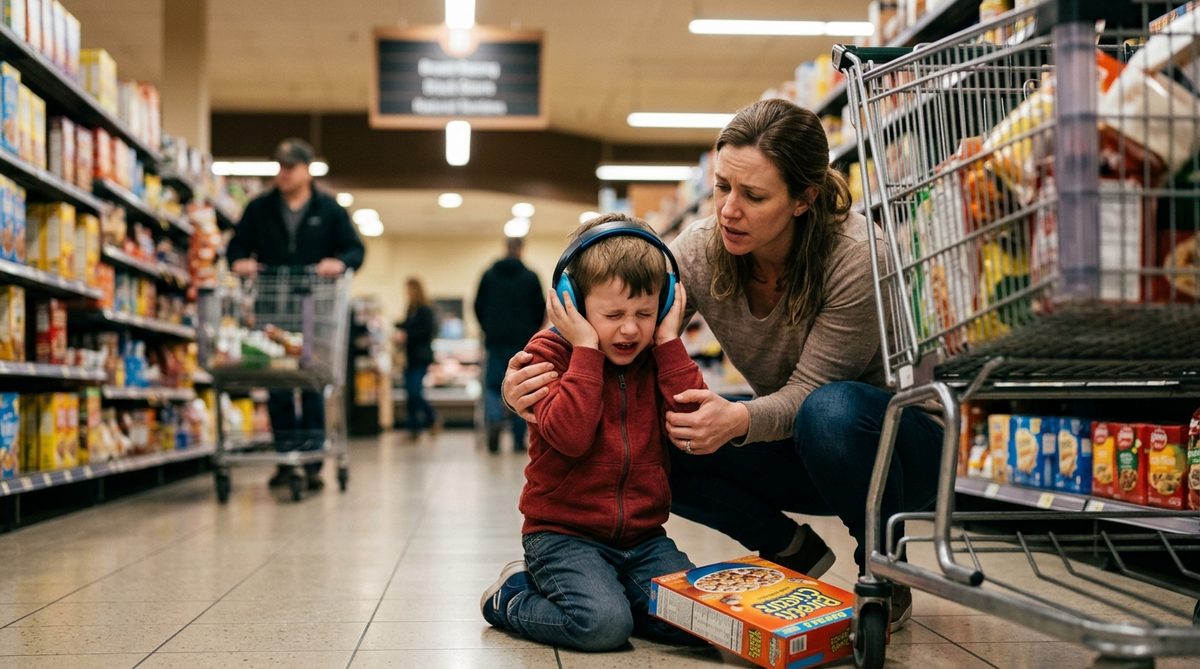
Sensory behaviour also needs context. Covering the ears near a hand dryer may show a strong response to sound. Chewing clothing may help a child settle their body.
These actions need support when they cause distress, but they do not confirm autism on their own.
Another point often missed is that behaviour can hide the real need. A child who screams when a routine changes may be called difficult. The cause may be trouble knowing what comes next, sensory overload, or having few ways to ask for help.
Looking at the trigger gives more useful information than judging the reaction.
Why can these signs be harder to see in some children?
Some children copy other children, practise social phrases, or stay quiet when unsure. Adults may call them shy, mature, or easy because they don't disrupt the room. All that effort can hide how much support they need.
A child may seem settled at school, then fall apart at home after hours of coping with noise and social rules. That doesn't mean the home caused the behaviour. Home may be the first safe place where the child can let go of stress.
Girls and children with strong language may be identified later because their interests seem typical in subject matter. The clue may be how intense, fixed, or one-sided the interest is. A child might talk about animals for a long time but miss when the listener wants a turn.
Ask educators about free play, group work, and changes in routine. A child may follow clear classroom rules yet struggle during open-ended social time. Reports from different settings help show the full pattern.
What should parents record before an appointment?
Clear examples help more than labels. Instead of writing “poor social skills,” describe what took place: “Did not follow my point toward the dog across the yard on four occasions this week.”
Keep notes for one or two weeks. Record:
- How often the child responds to their name when the room is quiet
- Whether they point to request something and whether they point to share interest
- How they ask for help or comfort
- What happens when another person joins their play
- Any skills that have stopped or become less frequent
- Situations that cause marked distress or sensory overload
Don't set up stressful tests or demand eye contact. Watch normal life. Meals, bath time, outdoor play, and visits with familiar people offer better information than repeated prompts.
Bring the child's health record and any reports from childcare, school, speech pathology, or occupational therapy. Ask another caregiver what they notice. Different adults may see different parts of the same pattern.
What happens during a developmental assessment?
Start with a GP, paediatrician, or child and family health nurse. They can check development, arrange hearing tests, and refer the child to the right professionals. In Australia, an assessment may involve a paediatrician, psychologist, or speech pathologist trained in autism. Services like Better Start offer developmental assessment and support pathways.
The clinician will ask about early development and daily life now. They may watch how the child plays, reacts when someone tries to connect, handles change, and communicates needs. Information from parents is still central because a clinic visit shows only a small slice of the child's life.
An assessment is not a pass-or-fail test. Its aim is to explain the child's strengths and support needs. A child can get help with speech, sensory distress, movement, feeding, or daily tasks before an autism diagnosis is settled.
Waiting for certainty can cost useful learning time. Support should focus on the problem already seen. If communication is hard, a speech pathologist can work on useful ways to request, refuse, comment, and share attention.
If daily tasks are hard, an occupational therapist can check what's getting in the way.
How should adults respond while they wait?
Join the child's focus instead of pushing a new activity. If the child is rolling a train, sit nearby and copy the action. Pause, leaving room for a glance, sound, gesture, or turn.
Respond warmly to every attempt to connect.
Use short language that fits the moment. Say “train goes” while the train moves instead of firing off a stream of questions. Add one small idea to the child's play, then wait.
This cuts the pressure and makes communication easier to take in.
Respect communication without speech. A point, picture, device, sign, or guided action can carry a clear message. Supporting these methods does not stop speech from growing.
It gives the child a reliable way to be understood.
Don't try to train away harmless autistic traits. The goal is safe, useful communication and a life the child can join in. Support distress, access, and daily function instead of chasing a more typical look.
What is the next step?
Ongoing trouble with sharing attention is the clearest single reason to look more closely, especially when it comes with delayed communication or repeated behaviour. It is a sign to seek an assessment, not a diagnosis.
Book a developmental appointment and bring a one-week record of how the child points, shows, responds, plays, and communicates across normal daily routines.
Common questions
What are the top 3 signs of autism?
Three common signs are trouble with back-and-forth communication, repeated actions or strong routines, and unusual reactions to sounds, lights, or touch. Signs differ from person to person, so a health professional should assess any concerns. seven possible signs
What is the most extreme level of autism?
Level 3 autism means a person needs very strong daily support and may have major trouble with communication, change, and everyday tasks. It is not a measure of a person's worth or future.
What are the 7 signs of autism?
Seven possible signs are less eye contact, delayed speech, trouble with conversation, repeated movements, strong routines, deep focus on a few interests, and unusual reactions to sound or touch. One sign alone does not mean autism, so speak with a health professional if you are concerned.
What are signs of high functioning autism?
This older term may describe an autistic person who speaks well but struggles with social cues, change, sensory overload, or making friends. They may hide their difficulties and still need support at school, work, or home.
Explore this topic: NDIS and disability guides. For tailored support, see NDIS personal training in Melbourne.
What not to do with an autistic child?
Read article →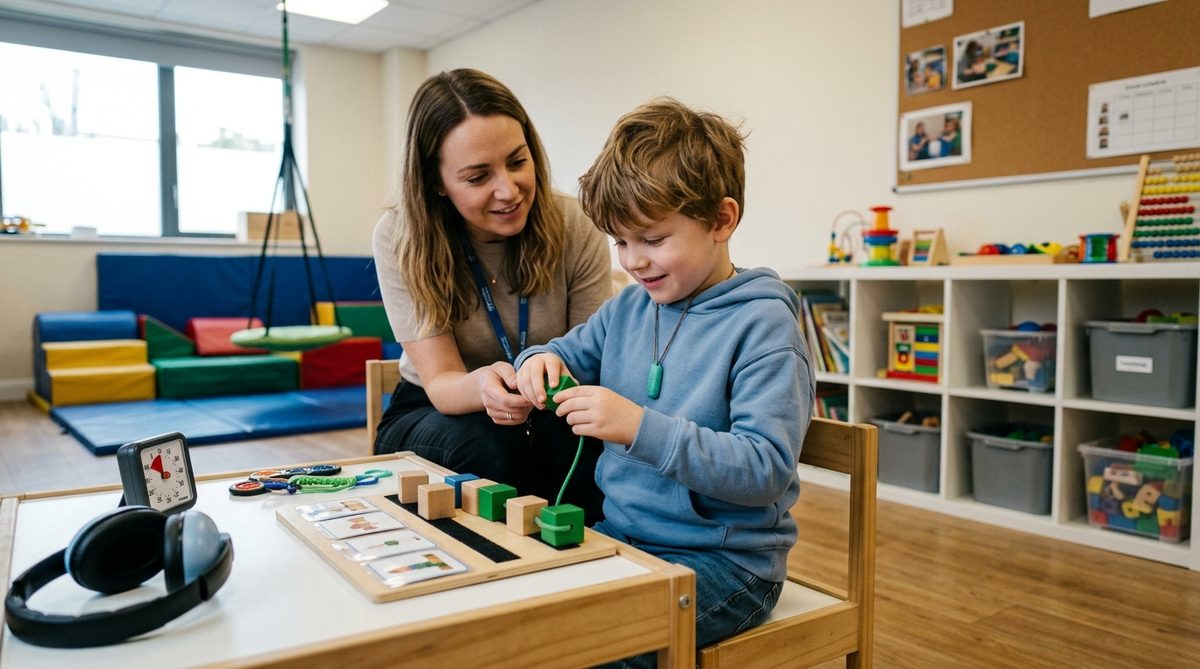
Can an autistic child live normal life?
Read article →
Can level 1 autism live normal lives?
Read article →
How serious is level 1 autism?
Read article →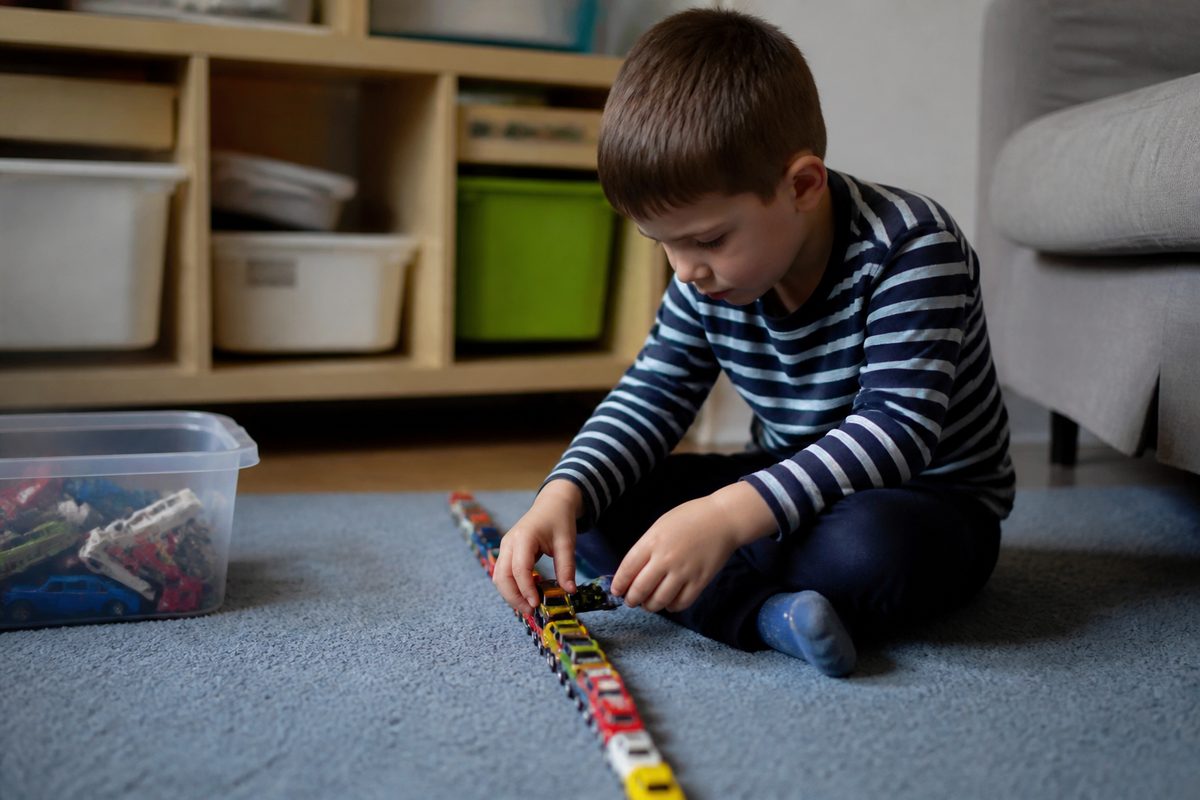
What are the signs of autistic behaviour?
Read article →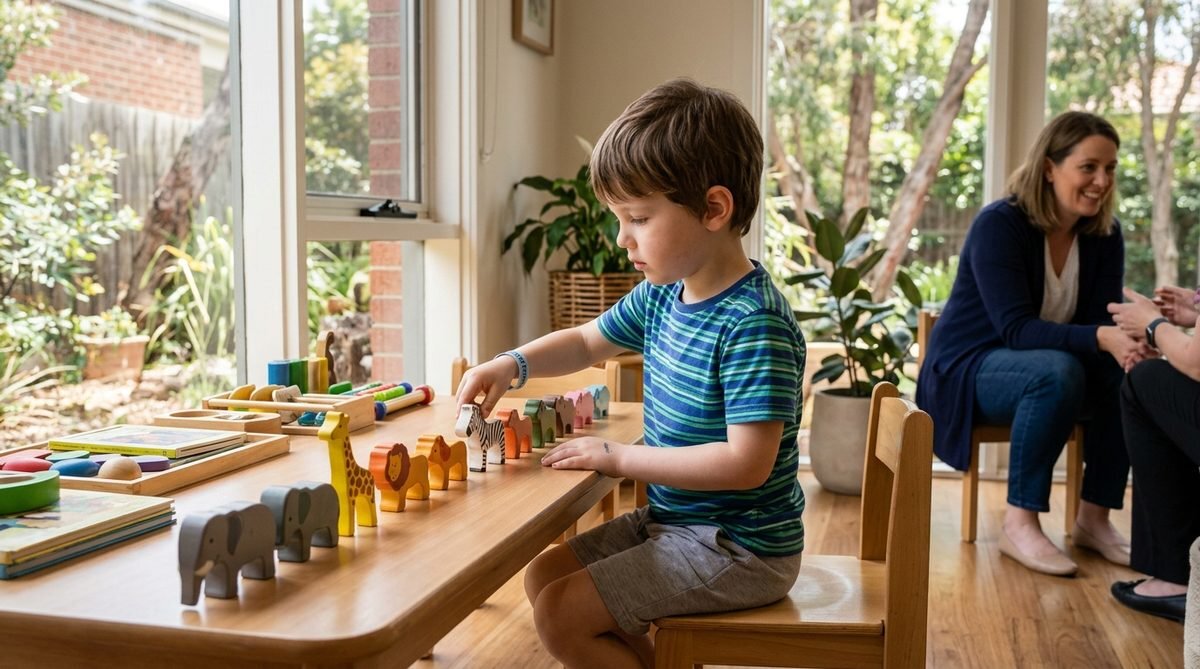
What Characteristics Does an Autistic Child Have? A Parent's Plain-English Guide in Melbourne
Read article →Explore more Better Start guides
Use these topic hubs to keep reading related articles by condition, support need, or funding question.
NDIS & disability
Access, funding, planning, disability support, and eligibility guides.
Open hub →Lupus
Symptoms, diagnosis, flares, disability support, and daily life.
Open hub →Autoimmune disease
Symptoms, coping strategies, long-term health, and support options.
Open hub →Rheumatoid arthritis
Flares, treatments, daily living, disability support, and NDIS questions.
Open hub →Kidney disease
Kidney symptoms, kidney failure, dialysis, and support questions.
Open hub →Speech therapy
Therapy funding, stuttering, cleft palate, dyslexia, and communication support.
Open hub →