What is the most extreme level of autism?

Level 3 autism is the highest support-needs level used in the current autism diagnostic system. It means a person needs a great deal of help with social communication and restricted or repeated behaviour. Some people call this severe autism, but Level 3 is more accurate because it describes support needs, not a person’s worth, intelligence, or ability to learn.
The word “extreme” can paint the wrong picture. Autism is not a single line running from mildly autistic to extremely autistic. Someone may need intense communication help but handle daily routines well. social communication and restricted or repeated behaviour
Another person may speak in full sentences, then be unable to function when plans change. The main point is simple: an autism level guides how much support someone needs in key areas. It does not tell you everything about who they are.
Why is autism severity more complex than one number?
The two diagnostic areas can be given different levels. Someone might meet Level 3 criteria for social communication and Level 2 criteria for repetitive behaviour. Squeezing that profile into one label can hide useful details.
Support needs also shift from place to place. Picture a child who follows a familiar picture schedule at home. They may dress and eat with little help because the room, people, and order of events stay the same.
At a busy clinic, that same child may cover their ears, drop to the floor, or lose access to their usual way of communicating. Their ability did not disappear. The setting put more strain on their nervous system.
Many simple level charts miss this point. A level describes the help needed under current conditions. It does not show what the person can do with clear instructions, sensory changes, trusted support, and enough time.
Clinicians may review support needs as someone grows or their situation shifts. Therapy, education, communication tools, health, sleep, puberty, grief, and stress can all shape daily function. A changed level does not mean autism has been cured or has suddenly become worse.
It means the person’s needs now look different.
What might very substantial support look like each day?
Very substantial support is hands-on and often continuous. It may include help to communicate pain, use the toilet, eat safely, move between places, manage sensory distress, or avoid danger. The exact mix varies from person to person.
Consider a nine-year-old who does not use speech to ask for help. He guides an adult to the cupboard when hungry but cannot show that his tooth hurts. He may cry, hit his jaw, refuse food, or wake through the night.
Without a reliable communication system, adults might see the behaviour as defiance and miss the pain. Support could include an augmentative and alternative communication system, visual choices, dental care, and adults trained to spot his personal signs.
Another person may use long sentences at home but need very substantial support elsewhere. A supermarket alarm, an unexpected queue, or a changed bus route may spark panic and loss of speech. Support might include planning the trip, wearing headphones, carrying a visual exit plan, and having a trusted person nearby.
These examples show why visible behaviour should not be judged by itself. Screaming, running, hitting, freezing, or self-injury can point to pain, fear, overload, frustration, or an unmet communication need. The first question should be “What is this behaviour communicating?”
Does Level 3 tell you whether a person can speak?
No. Speech and autism support level are linked for some people, but they are not the same measure. Some Level 3 autistic people do not speak.
Some use a few words, signs, pictures, or a speech-generating device. Others speak clearly but cannot use language well enough to handle daily demands without a great deal of help.
Speech is not the same as communication. Someone may repeat whole lines from videos but be unable to say where they hurt. Another person may have no reliable speech yet create detailed messages by typing or choosing symbols.
Treating speech as proof of understanding can lead adults to expect too much. Treating a lack of speech as proof of low understanding can lock the person out of decisions.
A useful assessment looks at how the person makes choices, refuses, asks for help, reports discomfort, and understands information. It should also check whether their communication works with different people and under stress.
Here is one detail many articles miss: access to communication can quickly change how behaviour looks. If a child learns to request “break,” “quiet,” or “finished,” their distress may fall because they finally have a clear way to shape what happens. This does not mean the autism level was wrong.
It means the setting now meets a need that had been driving the crisis.
Does the level measure intelligence or learning potential?
No. Autism levels do not measure intelligence. Intellectual disability can occur with autism, but it needs a separate assessment.
Language, movement, attention, anxiety, and sensory distress can also make standard testing hard to finish.
Someone who cannot point, speak, or follow an unfamiliar examiner’s directions may score poorly even when they understand more than the test shows. But families should not assume every low result is only a testing issue. The sensible approach is to use several sources of evidence, adjust the assessment where possible, and review skills over time.
You cannot read learning potential from a level label. Progress may mean spoken language, safer communication, dressing with fewer prompts, waiting for a short time, or coping with a health appointment. Small gains can make a big difference to comfort and choice.
Goals should improve the person’s life, not make them look less autistic. Stopping harmless hand movements, forcing eye contact, or taking away a safe interest may raise stress without teaching a useful skill. Communication, safety, health, autonomy, and access to daily life should come first.
Can a person’s support level change?
Yes. A support level can change when skills, health, demands, or available help change. Early support may help a child communicate and join in more routines.
A move to secondary school may bring greater demands and uncover needs that were less clear in a small primary classroom. An adult may cope well with family support but struggle after moving home or losing a trusted carer.
Autistic burnout can also increase support needs. It may follow months of masking, sensory strain, social effort, or demands beyond a person’s capacity. The person may lose access to speech, self-care skills, or activities they once managed.
More pressure is unlikely to bring those skills back. They may need fewer demands, health checks, rest, steady routines, and communication support.
A level should guide planning, not become a fixed forecast. Using old reports as the only source of truth can leave someone with too little help. Regular reviews matter when daily function shifts, safety concerns grow, or current services no longer fit.
What does the level fail to tell families and carers?
A level does not explain the cause of every hard moment. It cannot show whether someone has pain, epilepsy, poor sleep, anxiety, attention deficit hyperactivity disorder, a feeding disorder, or another health issue. New or sudden behaviour needs a proper check, not automatic blame on autism.
It does not list strengths either. A Level 3 autistic person may have a strong memory, deep knowledge of a favourite topic, warmth toward familiar people, skill with patterns, or a sharp sense of humour. Those strengths may show only when the person feels safe and has an accessible way to respond.
The label does not show how much unpaid care a family gives. Two people with similar profiles can lead very different lives if one has stable housing, trained staff, suitable education, and a working communication system while the other has none. Visible distress may reflect the quality of support just as much as the person’s diagnosis.
Most of all, Level 3 does not take away the right to make choices. Someone may need help to understand options or show a decision. Adults should still offer real choices, explain what is happening, seek assent where possible, and include the person in plans about their body and daily life.
How should support be chosen after a Level 3 diagnosis?
Start with daily function, safety, and the person’s own signals. A useful plan names the exact task, the barrier, and the help that may work. “Improve behaviour” is far too broad.
“Teach a reliable way to ask for a break before noise becomes painful” gives the team something clear to practise and measure.
An effective support plan may involve:
- A communication assessment, including augmentative and alternative communication when needed.
- Occupational therapy focused on daily tasks, sensory access, and safe participation.
- Speech pathology that supports useful communication rather than speech alone.
- Medical checks for pain, sleep problems, seizures, feeding concerns, or sudden changes.
- Visual routines and clear preparation for changes.
- Positive behaviour support based on the reason a behaviour occurs.
- Education or day programs matched to communication, sensory, and learning needs.
- Respite and practical support for family members and other carers.
Ask how each service will make daily life better. Good goals can be seen and felt. The person can make more choices, face less distress, access care, finish a valued task, or recover faster after overload.
A plan that fills hours with drills but brings no useful daily gain needs another look.
What should you do with the Level 3 label?
Use it as the starting point for a personal support map. Write down how the person communicates, what sparks distress, what helps them recover, which daily tasks require help, and which health or safety issues need action. Share that map with everyone who provides care, education, therapy, or community support.
Your next step is to request a needs-based assessment that turns the Level 3 label into clear supports for communication, health, safety, daily living, and personal choice.
Common questions
What is the most serious level of autism?
Level 3 autism is the level that needs the most support. A person may have major trouble with communication, change, and daily tasks.
Is level 3 autism the worst?
Level 3 autism means a person needs very strong support, but calling it the “worst” can be hurtful. Each autistic person has different strengths, needs, and challenges.
Can level 3 autism ever talk?
Yes, some people with level 3 autism can talk, while others use few or no spoken words. They may communicate with signs, pictures, or a device instead.
What level is severely autistic?
“Severely autistic” often refers to level 3 autism, which means the person needs very strong support. However, people’s needs can differ greatly and may change over time.
Explore this topic: NDIS and disability guides. For tailored support, see NDIS personal training in Melbourne.

What not to do with an autistic child?
Read article →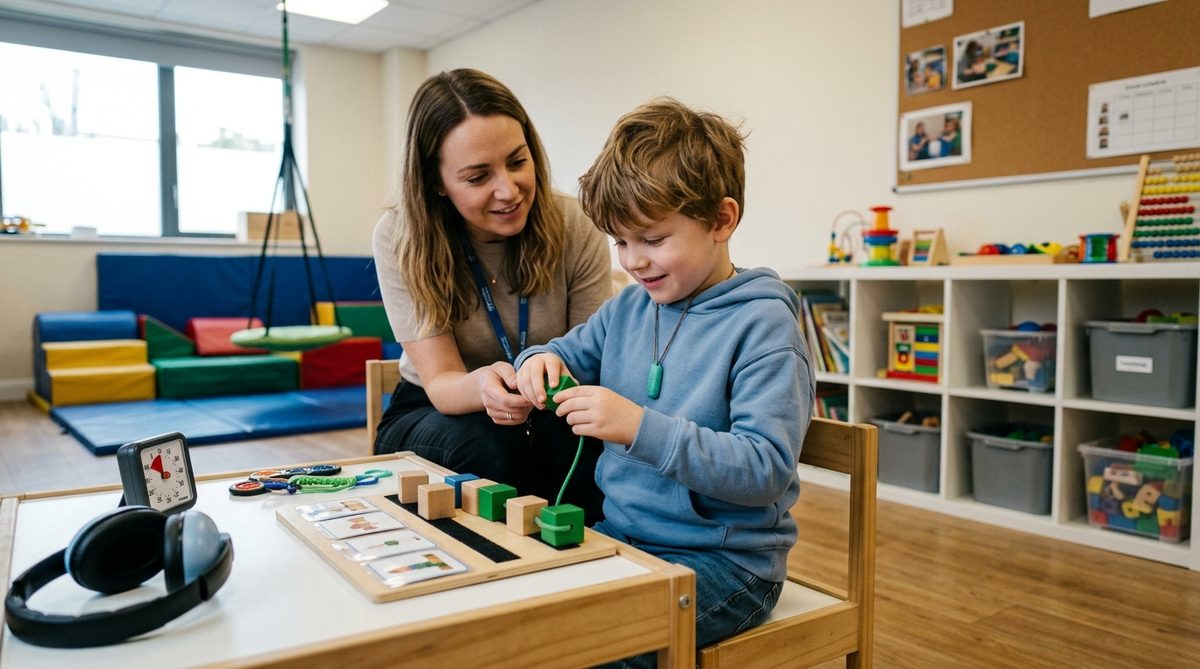
Can an autistic child live normal life?
Read article →
Can level 1 autism live normal lives?
Read article →
How serious is level 1 autism?
Read article →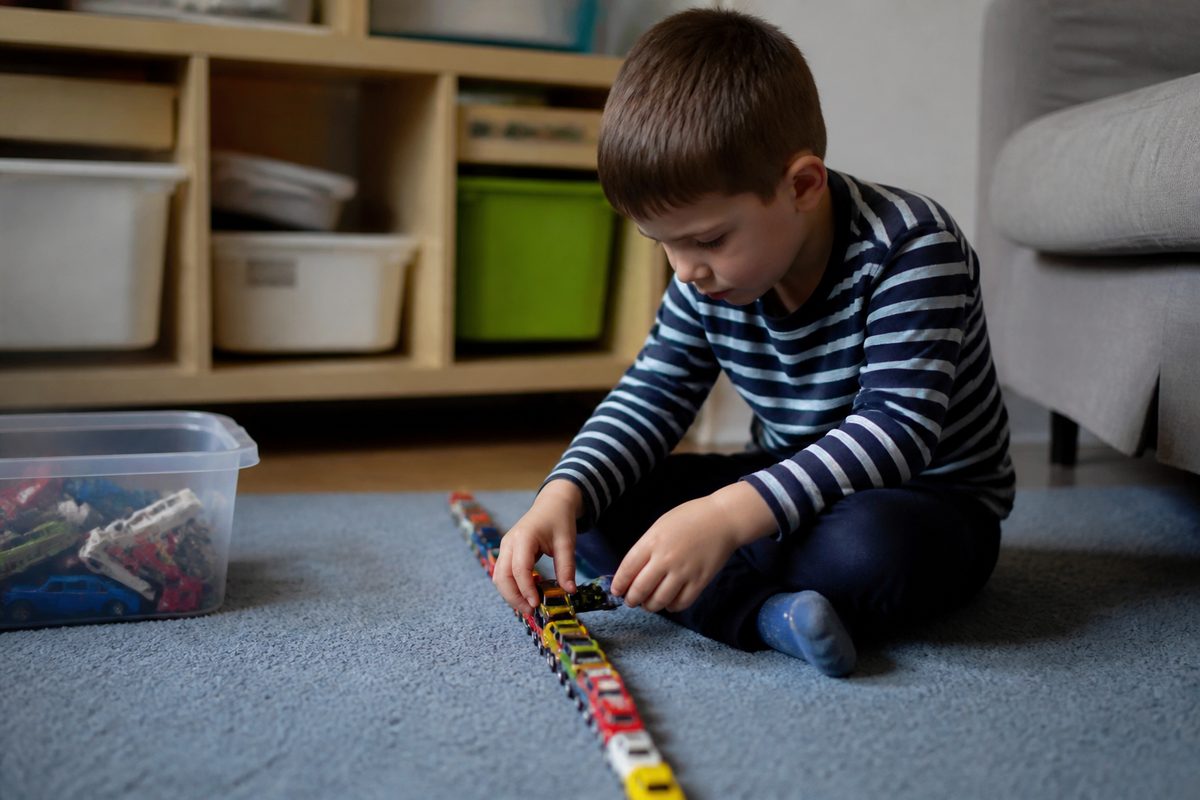
What are the signs of autistic behaviour?
Read article →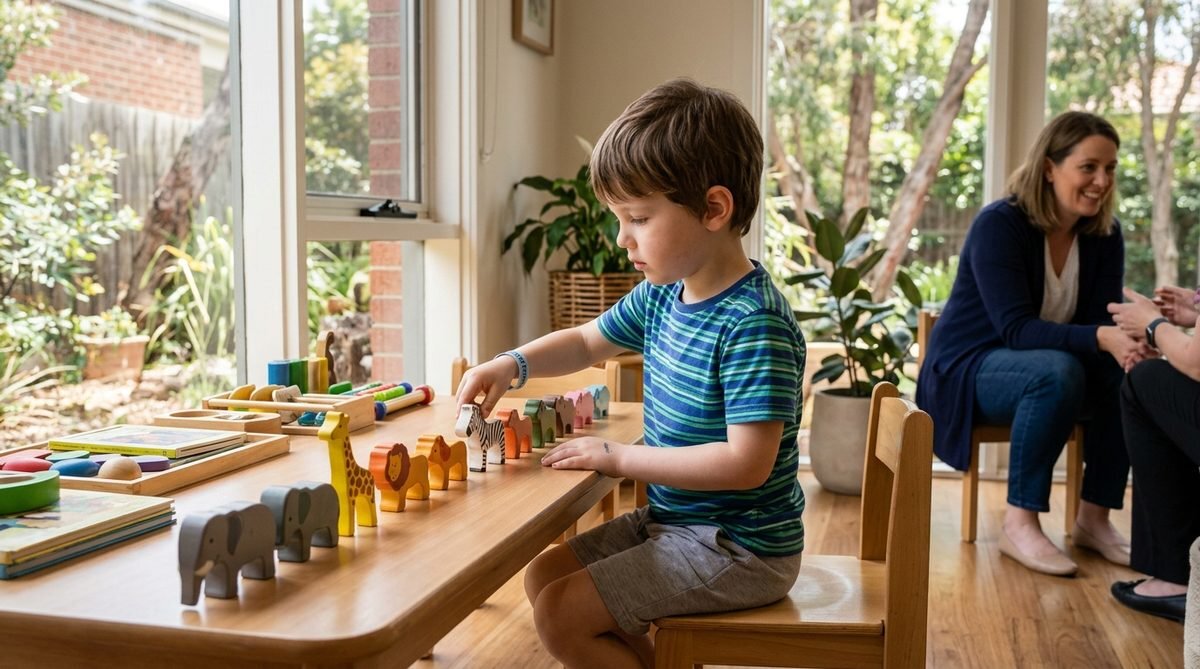
What Characteristics Does an Autistic Child Have? A Parent's Plain-English Guide in Melbourne
Read article →Explore more Better Start guides
Use these topic hubs to keep reading related articles by condition, support need, or funding question.
NDIS & disability
Access, funding, planning, disability support, and eligibility guides.
Open hub →Lupus
Symptoms, diagnosis, flares, disability support, and daily life.
Open hub →Autoimmune disease
Symptoms, coping strategies, long-term health, and support options.
Open hub →Rheumatoid arthritis
Flares, treatments, daily living, disability support, and NDIS questions.
Open hub →Kidney disease
Kidney symptoms, kidney failure, dialysis, and support questions.
Open hub →Speech therapy
Therapy funding, stuttering, cleft palate, dyslexia, and communication support.
Open hub →