What not to do with an autistic child?
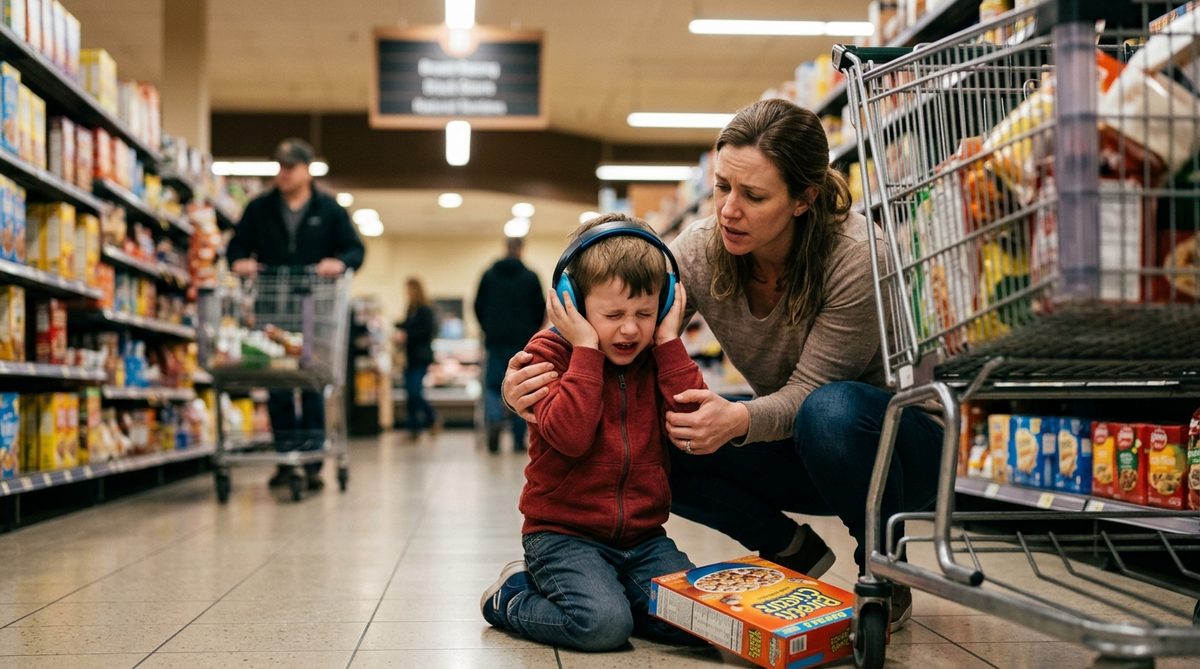
Do not yell, rush, shame, compare, force eye contact, punish harmless autistic behaviour or assume distress is deliberate defiance. Avoid vague or sarcastic instructions when the child needs clear language. Instead, lower pressure, look for sensory or communication needs, set calm safety limits and explain what you want the child to do.
The main test for any response is simple: does it help the child communicate, take part, gain independence, feel well or stay safe? Making a child appear less autistic is not a useful goal by itself. Support should meet a real need in the child's life.
Each autistic child has a different mix of strengths, preferences and support needs. A strategy that helps one child may frustrate another. Watch the individual child, respect their communication and adjust your response based on what happens.
What should you avoid assuming about difficult behaviour?
Do not treat every delayed response, repeated movement, refusal or attempt to leave as deliberate disobedience. The action may show that the child needs more time, does not understand the request, feels discomfort or cannot manage the setting at that moment.
Consider a child who does not put on their shoes after being asked. The adult may think the child is refusing. Yet the same action could have several explanations. The instruction may have been lost in background noise. The shoes may feel painful. The child may need help moving away from a favourite activity. You cannot know the reason from the outward behaviour alone.
Pause before adding a consequence. Notice what happened before the action, what the child did and what changed after it. Check whether the request was understood. Look for noise, light, clothing, hunger, pain or an unexpected change that may matter. Give enough processing time before repeating the direction.
Focus on what you want the child to do. Replace “Stop being difficult” with “Shoes on, then we go to the car.” Show the shoes or use the child's usual visual support if that makes the request clearer.
Do not discipline a child for harmless stimming, such as rocking or moving their hands, merely because it looks unusual. These actions may help the child manage their body or attention. Step in when an action creates a real risk, harms someone or blocks an essential activity. Keep the limit tied to the action rather than autism.
A firm boundary can still be respectful. “You may jump on the floor. The table is not safe for jumping” gives the child a clear rule and an available alternative. Shame gives no useful next step.
How can unclear language make a situation worse?
Do not rely on sarcasm, metaphors, implied warnings or long strings of directions when the child needs direct information. Some autistic children interpret words literally. Others need extra time to process speech or communicate more easily with pictures, writing, gestures or an augmentative communication system.
Vague commands leave too much to work out. “Behave yourself” does not explain the required action. “Sit on the chair and keep the drink on the table” does. “Your room is a disaster” may sound like a comment. “Put the clothes in the basket” gives a clear first step.
Break a large task into smaller parts when needed. Instead of saying, “Get ready, pack your bag and wait by the door,” give one instruction and allow time for it to be completed. Then give the next one. A visual list may let the child move through the task without having to remember each spoken direction.
Do not repeat the same unclear command more loudly. Volume does not add missing detail. It can add pressure. Use the child's name if they respond well to it, say exactly what to do and wait. A delayed response does not prove that the child ignored you.
Avoid turning every exchange into a test. Asking “What did I just say?” may measure recall rather than understanding. You can check understanding by asking the child to show you the first step or by showing the action yourself.
Respect the child's established way of communicating. Speech is not the only valid response. Pointing, typing, selecting a picture or using a communication device can express a clear choice. Do not demand spoken words before meeting a need that the child has already communicated.
What should you avoid during severe distress?
Do not crowd the child, raise your voice, fire off questions or demand an immediate explanation. Do not keep saying “calm down” as though calmness were a simple choice. Extra noise, language and urgency can add pressure when the child is already struggling to cope.
A meltdown describes a loss of regulation linked to overwhelm. It should not be used as a label for every episode of crying, shouting or refusal. Similar actions can arise for different reasons, and appearance alone does not reveal the cause.
During severe distress, deal with immediate safety first. Lower your voice. Use fewer words. Move other people back if space helps. Reduce avoidable noise or bright light where possible. Offer a familiar regulation option without forcing it. This might be a quiet place, headphones, a comfort item or another support the child already uses.
Avoid forced discussion at the peak of the event. The child may not be able to explain what happened or respond to a lesson then. Questions can wait until the child has enough control and energy to take part.
A lower-pressure response might be, “You are safe. I am moving back. The quiet room is open.” That gives useful information without demanding a reply. If speech adds pressure, use the child's known visual or gestural cues instead.
Do not punish distress before checking what contributed to it. Review the event later. Look at demands, transitions, communication problems, sensory input and possible discomfort. The aim is to spot a pattern and improve the next response, not to force one explanation onto every event.
Adults can lose patience, especially when a situation is loud or frightening. If you feel yourself escalating, make the setting safer and let another trusted adult take over when available. Return to teaching and repair after everyone is settled.
Which forms of forced conformity can harm the child?
Do not force eye contact, suppress harmless stimming or insist that play must look conventional. Do not compare the child with siblings or classmates. These demands can turn ordinary autistic differences into faults.
Eye contact is not the only sign of attention. A child may listen while looking away, moving or using an object. Ask for a response that shows understanding when you need confirmation. Do not make looking into your eyes the price of being heard.
Use the same test for therapy and skill goals. The goal should support communication, daily participation, independence, wellbeing or safety. A goal aimed only at making the child appear typical needs to be changed.
For example, replace “play with the toy properly” with a shared activity the child can enjoy. Follow their interest, take turns if they welcome it and add new play ideas without controlling every move. This supports connection while respecting how the child explores.
Comparison also hides useful progress. One child may ride a bike early while another needs more time, an adapted bike or no bike goal at all. The useful question is whether the skill matters to this child and how the task can be made accessible.
Support and acceptance can exist together. Teaching a child to ask for a break may improve daily life. Stopping a harmless movement because it looks different does not offer the same benefit. Ethical support builds a useful skill or removes a real barrier.
Set goals with the child when possible. Build from their interests and current abilities. Measure progress against their own starting point, not another child's timetable. As the child grows into a teenager, keep updating goals rather than holding them to choices made years earlier.
How should you respond to unsafe behaviour without shame?
Do not call the child bad, manipulative or violent. Describe the action instead. “He hit me when the activity ended” gives useful information. A character label does not explain what happened or help anyone plan a safer response.
Acceptance does not mean allowing hitting, biting, dangerous climbing or property damage. Protect the child and other people. State the rule in a few words, reduce demands and create safe space. Do not humiliate, threaten or use physical punishment.
For hitting, a brief boundary may be, “I will not let you hit. Hands down.” Move other people away if needed and follow the child's established safety plan. Do not attempt improvised restraint. Physical intervention can carry serious risks and should be left to trained, authorised people working under an appropriate plan.
Once the child is regulated, look beyond the incident. Record observable facts rather than judgments:
- What was happening just before the unsafe action?
- What request, change or discomfort may have been present?
- How did the child communicate before the action?
- What did adults do, and what happened next?
This record may reveal that incidents often follow a certain transition, confusing request or setting. It may also show that the pattern is less clear than adults first thought. Either result is useful because it replaces guesses with details.
Teach an accessible alternative after the crisis. The alternative could be requesting a break, moving to a safe area or using a known signal for help. Practise it during calm periods. A new skill is hard to learn while the child is overwhelmed.
Seek qualified professional help when unsafe behaviour is frequent, severe, new or difficult to manage safely. A sudden major change also deserves attention because pain, illness, sleep problems, changes at school or other factors may need to be checked. Do not diagnose the cause from behaviour alone.
How can adults give consistent support without using one rigid method?
Do not assume one autism strategy will suit every child or every setting. Consistency means that adults understand the child's needs and use agreed supports. It does not mean placing the same demand on the child at home, school and therapy regardless of the setting.
Unexpected changes may be hard for some children. Avoid changing a routine or expectation without making the change clear in a form the child can access. Give advance notice when possible. A visual schedule, written note or simple spoken explanation may help, depending on the child's communication style.
Share useful information across the child's support team. Parents may notice early signs of distress that school staff have not seen. A teacher may find that one type of instruction works well. A therapist may help make a communication option easier to use in daily life. The child's own view should guide these decisions wherever possible.
Create a short support profile that covers:
- Communication: how the child understands information, expresses choices and asks for help.
- Early signs: observable changes that may show rising stress.
- Possible triggers: settings, demands or changes worth watching without treating them as universal causes.
- Helpful supports: regulation options, interests and environmental changes the child accepts.
- Safety: clear boundaries, known risks and the agreed response.
- Avoid: words, actions or demands that have increased distress before.
- Strengths: skills and interests that support learning, trust and participation.
Keep the profile brief enough to use. Update it when needs change, and involve the child in writing it in whatever way they can take part. Share the current version with relevant family members, school staff and therapy providers.
Action to take now: write the child's one-page support profile, check it with them where possible and give it to every adult who regularly supports them.
Explore this topic: NDIS and disability guides. For tailored support, see NDIS personal training in Melbourne.
Can an autistic child live normal life?
Read article →
Can level 1 autism live normal lives?
Read article →
How serious is level 1 autism?
Read article →
What are the signs of autistic behaviour?
Read article →
What Characteristics Does an Autistic Child Have? A Parent's Plain-English Guide in Melbourne
Read article →
What are stereotypical behaviors in autism?
Read article →Explore more Better Start guides
Use these topic hubs to keep reading related articles by condition, support need, or funding question.
NDIS & disability
Access, funding, planning, disability support, and eligibility guides.
Open hub →Lupus
Symptoms, diagnosis, flares, disability support, and daily life.
Open hub →Autoimmune disease
Symptoms, coping strategies, long-term health, and support options.
Open hub →Rheumatoid arthritis
Flares, treatments, daily living, disability support, and NDIS questions.
Open hub →Kidney disease
Kidney symptoms, kidney failure, dialysis, and support questions.
Open hub →Speech therapy
Therapy funding, stuttering, cleft palate, dyslexia, and communication support.
Open hub →