What skills does a disability support worker need?
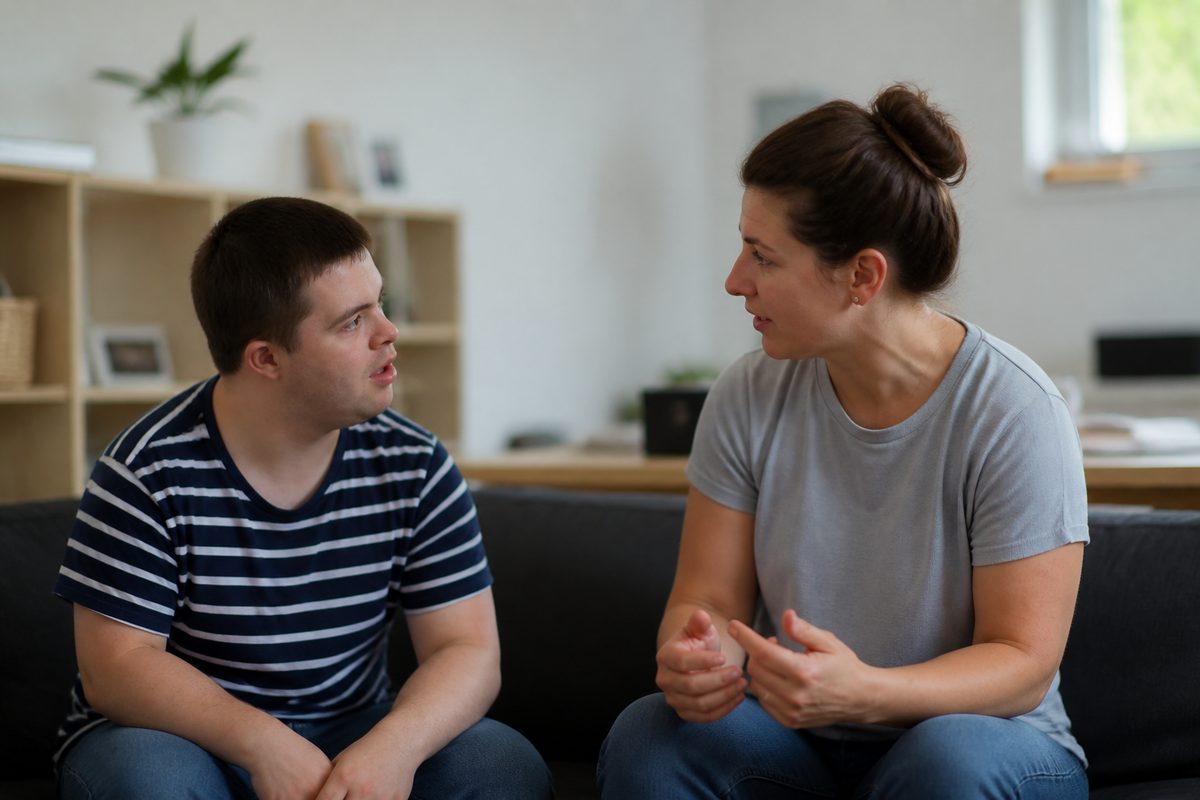
A disability support worker needs good judgement, clear communication, safe care skills, emotional control, and the ability to support each person's choices. Employers want people who can use these skills on real shifts, even when plans change or someone becomes upset. A certificate may help you enter the field, but your daily actions show whether you can provide reliable support.
The main idea is simple: good support blends human skills with safe work habits. Kindness without good judgement can put a person at risk. Technical skill without respect can take away choice.
A capable worker knows when to help, when to step back, and when to report a concern. Understanding how to work with people with learning disabilities strengthens this foundation.
Which abilities matter most during a real support shift?
Strong workers can read a support plan, follow it, and adjust their approach without stepping outside their role. They spot small changes, explain tasks in plain words, and give the person time to reply. They also record what happened so the next worker has useful facts. life skills activities
These abilities work together. A worker may help someone prepare a meal while watching for swallowing risks, respecting food choices, and keeping the kitchen safe. They must communicate throughout the task.
They may also need to record how much the person ate if this is part of the support plan.
A capable worker usually draws on several core skill areas:
- Observation: spotting changes in mood, movement, speech, appetite, skin, sleep, or pain.
- Communication: sharing information in a way the person can understand and use.
- Safe task performance: following training, care plans, infection controls, and workplace rules.
- Decision-making: knowing what can wait, what needs reporting, and what needs urgent action.
- Documentation: writing clear, factual notes that another worker can follow.
- Self-management: staying calm, arriving prepared, and keeping personal stress away from the person receiving support.
Each skill protects the person's safety and control. So employers assess how a candidate uses them together, not as separate claims on a resume.
How should a worker communicate when speech is limited?
Communication starts with learning how the person says yes, no, stop, pain, and help. Spoken words are just one method. A person may use signs, gestures, pictures, a communication device, facial movements, or changes in breathing.
The support plan may explain these signals, but the worker must still watch closely.
Good communication also takes patience. Ask one clear question, then give the person enough time to respond. Repeating it too quickly can add pressure.
Changing the words before the person replies may cause even more confusion.
Picture a worker supporting someone who uses an eye-gaze board. The worker asks which shirt the person wants, holds the board in the right spot, and waits. Looking away or rushing could mean missing the answer.
The physical task is dressing, but the key skill is making choice possible.
Workers must also change how they share information with families, supervisors, and health professionals. They should give facts, not labels. Writing that a person was difficult offers the team little value.
Writing that the person pushed breakfast away, covered their ears, and went to their room gives the team details it can use.
What does sound judgement look like under pressure?
Sound judgement means following the support plan while responding to what is happening right now. A worker must know the limits of their training. They should never guess about medication, use an unapproved physical method, or make a health decision that belongs to a qualified professional.
Imagine a person who usually walks from the lounge to the bathroom with light support. On one shift, they seem weak and can't put weight on one leg. A poor response would be to continue because the plan says they can walk.
A sound response is to stop, keep the person safe, check for immediate danger, and follow the reporting or emergency process.
Being aware of risk doesn't mean stopping every activity that could cause harm. People have the right to make informed choices. The worker's job is to explain known risks, use agreed safety steps, and report concerns through the right channel.
This approach grew from the Disability rights movement, which challenged systems that treated disabled people as passive recipients of care. Modern support should protect dignity and personal control during everyday decisions.
Why are observation and reporting treated as practical skills?
Support workers often spend more time with a person than other members of the care team. That puts them in a good place to spot early changes. They aren't expected to diagnose a condition.
They are expected to see, record, and report signs that fall outside the person's normal pattern.
Useful observations are exact. Instead of writing that someone seemed unwell, note what you could see. For example, the person left half their lunch, held the right side of their jaw, and declined their usual walk.
Include the time, the action taken, and the person notified.
Good notes help the team spot a pattern across shifts. They also protect the worker by showing what happened and how they responded. Records should be finished on time, stored safely, and limited to relevant facts.
Personal opinions, jokes, and blame don't belong in case notes.
Observation matters during personal care too. A worker might spot redness while helping someone dress. They should follow the person's plan, protect their privacy, and report the change.
Ignoring it could let a small concern become painful. Treating it without authority could also cause harm.
How does safe care differ from simply completing tasks?
Completing a task means reaching an outcome. Safe care means reaching it with the right method, permission, equipment, and records. Speed doesn't prove skill.
Manual handling is a clear example. A worker may feel strong enough to lift someone without equipment. Doing that can injure both people and ignore the person's plan.
A skilled worker checks the transfer method, clears the area, explains each step, and uses equipment they have been trained to operate. mobility support mobility support
The same rule applies to medication support. Workers must follow their organisation's process and the authority given to their role. They need to check the medication record, scheduled time, and any required details.
If something doesn't match, they stop and ask for guidance. Confidence should never replace procedure.
Safe care also covers hygiene, food handling, transport, mobility aids, and household tasks. A candidate doesn't need to know every workplace system before being hired. But they must show that they follow training, ask when unsure, and never hide an error.
How should a worker respond when behaviour signals distress?
Behaviour can signal pain, fear, sensory overload, frustration, or an unmet need. The worker should first check what changed before trying to stop the behaviour. A loud room, an unfamiliar worker, hunger, or a sudden demand may all shape the person's response.
Positive behavior support uses this idea to understand why behaviour happens and reduce the need for restrictive responses. It focuses on the person's quality of life, communication, surroundings, and skills. A support worker helps by following the plan, spotting triggers, and recording what happened before and after an event.
For example, a person may start hitting the table before community outings. If workers record only the hitting, the team misses useful details. Notes may show that the behaviour starts when transport arrives without warning.
Giving a clear prompt ten minutes before leaving may lower distress.
During an incident, the worker needs a calm voice, a safe body position, and an awareness of exits or hazards. They should lower demands where the plan allows and avoid arguing. After the event, clear reporting helps the team review the response.
The goal is to understand and prevent distress, not punish someone for showing it.
Where do boundaries fit into good support?
Professional boundaries keep the relationship safe and predictable. A worker can be warm without making the person responsible for their feelings. They should not borrow money, accept unsuitable gifts, share private contact details against policy, or turn the support relationship into a personal friendship.
Boundaries also cover privacy. Workers may learn private facts about health, family, money, or relationships. They should share information only with approved people who need it to provide support.
Talking about a person's life in public or posting about a shift online can cause real harm, even when their name is left out.
A common boundary test comes when a person asks a worker to keep a safety concern secret. The worker should listen with respect and explain what information must be reported. Promising secrecy and breaking that promise later hurts trust.
Clear limits from the start are kinder and safer.
Why does emotional control affect the quality of care?
Support work can involve grief, conflict, repeated tasks, sudden changes, and exposure to distress. Workers need the mental strength to recover after hard shifts and keep making safe choices. This doesn't mean ignoring stress or acting tough.
It means spotting strain early and using healthy support.
A worker who feels overwhelmed may rush, speak sharply, or miss details. Regular supervision, planned breaks, peer support, and time away from work can lower that risk. Workers should also know when tiredness makes them unsafe to drive or do a physical task.
Self-awareness helps workers separate their own values from the person's choices. A worker may dislike a person's food, clothing, music, or daily routine. Personal taste isn't a reason to take control.
Emotional control lets the worker stay respectful while providing the agreed support.
How can a job candidate prove these abilities?
A strong application uses examples instead of broad claims. Saying you're caring tells an employer very little. Explaining how you spotted a change, followed a process, and reported the result shows how you work.
Use a simple structure in interviews. Explain the setting, your responsibility, what you did, and the result. Leave private details out of the example.
If you're new to disability support, use examples from aged care, hospitality, parenting, study placements, volunteering, or customer service where the same skill applies.
For communication, you might describe helping someone who needed more time to process information. For safety, you could explain when you stopped a task because the instructions weren't clear. For teamwork, describe how your factual handover helped another person continue the work.
Employers may also ask for current checks, required training, a driver's licence, first aid knowledge, or a relevant qualification. Requirements differ by role and employer. Read the job ad closely and check which documents must be current before the first shift.
Don't claim experience you don't have. A clear answer such as, I have not used that device yet, but I would complete training and follow the person's plan before using it, shows safer judgement than pretending.
Which warning signs suggest a worker is not ready?
Some habits create risk even when a person has experience. Speaking over someone, brushing aside their choices, or treating every routine as fixed can weaken support. So can poor timekeeping, vague notes, careless talk about clients, and resistance to feedback.
Another warning sign is confidence without limits. A worker who says they can handle anything may act outside their training. Good workers ask focused questions and check the plan.
They report mistakes early because quick action can reduce harm.
Employers should also listen to how candidates talk about people they have supported. Respectful workers describe needs and actions without mockery or blame. Their words often show whether they see the person as an equal adult with rights.
How can you prepare before applying for a role?
Build a small evidence bank before writing your application. Choose examples that show how you acted, not how you hoped to act.
- Read several job ads and mark the skills that appear often.
- Write one real example for each major skill, including the result.
- Check that your training, screening documents, and first aid records are current where required.
- Practise explaining how you would respond when a plan is unclear or a person's condition changes.
- Prepare questions about supervision, induction, client matching, and shift support.
These steps help you judge the employer too. A safe service should explain training, reporting lines, incident processes, and access to support. Vague answers about these systems may be a sign that workers get too little guidance. Learning more about quality disability support services can help you assess workplace standards.
What should you do next?
Choose one past work, study, or life example and write down how it shows your judgement, respect, safety awareness, and communication in a real situation. Use that evidence in your next disability support worker application.
Psychological resilience helps a disability support worker remain calm, adaptable, and professional when managing challenging situations while continuing to provide respectful, person-centred support.
Common questions
What are the skills of a disability support worker?
A disability support worker needs clear communication, patience, empathy, and good problem-solving skills. They should also know how to provide safe personal care, follow support plans, and help people make their own choices.
What are 5 legal responsibilities required of all support workers?
Support workers must provide safe care, respect privacy, keep information private, report abuse or neglect, and follow workplace health and safety rules. They must also stay within their role and follow the law and their employer's policies.
What are five qualities of a good support worker?
Five important qualities are kindness, patience, respect, honesty, and reliability. A good support worker listens carefully and treats each person as an individual.
What skills do you need to work with people with disabilities?
You need strong listening, clear communication, teamwork, patience, and problem-solving skills. You also need to respect each person's choices, needs, culture, and right to be independent.
Explore this topic: NDIS and disability guides. For tailored support, see NDIS personal training in Melbourne.

What not to do with an autistic child?
Read article →
Can an autistic child live normal life?
Read article →
Can level 1 autism live normal lives?
Read article →
How serious is level 1 autism?
Read article →
What are the signs of autistic behaviour?
Read article →
What Characteristics Does an Autistic Child Have? A Parent's Plain-English Guide in Melbourne
Read article →Explore more Better Start guides
Use these topic hubs to keep reading related articles by condition, support need, or funding question.
NDIS & disability
Access, funding, planning, disability support, and eligibility guides.
Open hub →Lupus
Symptoms, diagnosis, flares, disability support, and daily life.
Open hub →Autoimmune disease
Symptoms, coping strategies, long-term health, and support options.
Open hub →Rheumatoid arthritis
Flares, treatments, daily living, disability support, and NDIS questions.
Open hub →Kidney disease
Kidney symptoms, kidney failure, dialysis, and support questions.
Open hub →Speech therapy
Therapy funding, stuttering, cleft palate, dyslexia, and communication support.
Open hub →